
























Understanding Search Algorithms: A Programmer's Late-Night Realization About Computer vs Human Search
It was 2 AM, and I was staring at my terminal, watching numbers scroll past faster than I could comprehend.
Read the full articleYou might also wanna read
How Pattern Recognition Transforms Slow Code into Efficient Solutions
A software developer on DEV Community illustrates how recognizing algorithmic patterns can dramatically improve coding performance. Using th
Why Constraints Make Better Engineers: The Case for Resource-Conscious Coding
A software engineering opinion piece argues that modern developers risk losing problem-solving sharpness due to near-unlimited access to RAM
One More Thing About List Binary Search
I wanted to point people to this link at DotNetPearls: They do an excellent, quick demonstration of List .BinarySearch and show a graph that

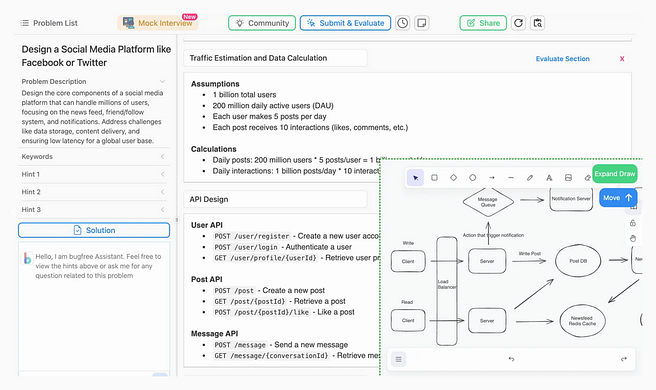
A New Platform Brings LeetCode-Style Hands-On Practice to System Design Interview Preparation
Java Programming tutorials and Interview Questions, book and course recommendations from Udemy, Pluralsight, Coursera, edX etc
 java67.com·19d ago
Humans vs. AI: The Search for Semantic Soul
A recent study pits human creativity against AI in semantic searches. It reveals the gap between human exploration and algorithmic predictab

Local-First Information Retrieval: Keeping Search Private on Consumer Hardware
The sensitive information in personal documents, legal files, and medical records is among the most valuable things to search, yet current r
 arxiv.org·17d ago
Comments
Sign in to join the conversation.
No comments yet. Be the first.