
























Understanding Memory Safety: Addressing Skepticism in Software Development
Article URL: Comments URL: Points: 5 # Comments: 0
Read the full articleYou might also wanna read
What Are Memory-Safe Languages?
What are memory-safe languages? This article reviews their growing importance in the context of contemporary software development and their
Why Constraints Make Better Engineers: The Case for Resource-Conscious Coding
A software engineering opinion piece argues that modern developers risk losing problem-solving sharpness due to near-unlimited access to RAM
Microsoft Extends Rust-Influenced Memory-Safety Push to C#
Microsoft is applying lessons from Rust to C# in a planned redesign of the unsafe code model, continuing a years-long company focus on reduc

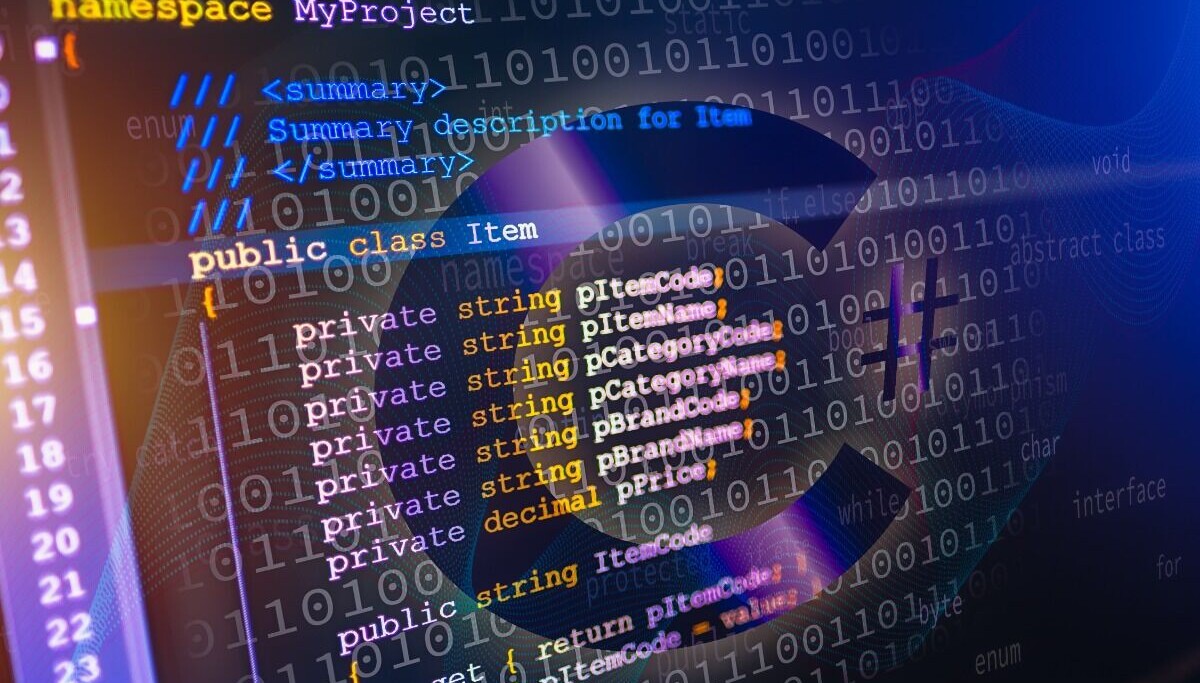
Microsoft plans memory safety improvements for C# inspired by Rust, without dropping automatic memory management
Unsafe bits get a warning label in planned low-level coding shake-up
 theregister.com·1mo ago
Software Is Now Written at the Speed of Thought. Security Isn't.
Every evolution in software development has reduced the friction between an idea and a deployable application. AI may remove the final barri

Top 5 C++ security risks
This article explores the top five C++ security concerns that affect code development and offers advice on mitigating them.
Comments
Sign in to join the conversation.
No comments yet. Be the first.