
























Understanding Mathematical Manifolds: From Riemann's Concept to Modern Geometry
In the mid-19th century, Bernhard Riemann conceived of a new way to think about mathematical spaces, providing the foundation for modern geometry and physics.
Read the full articleYou might also wanna read

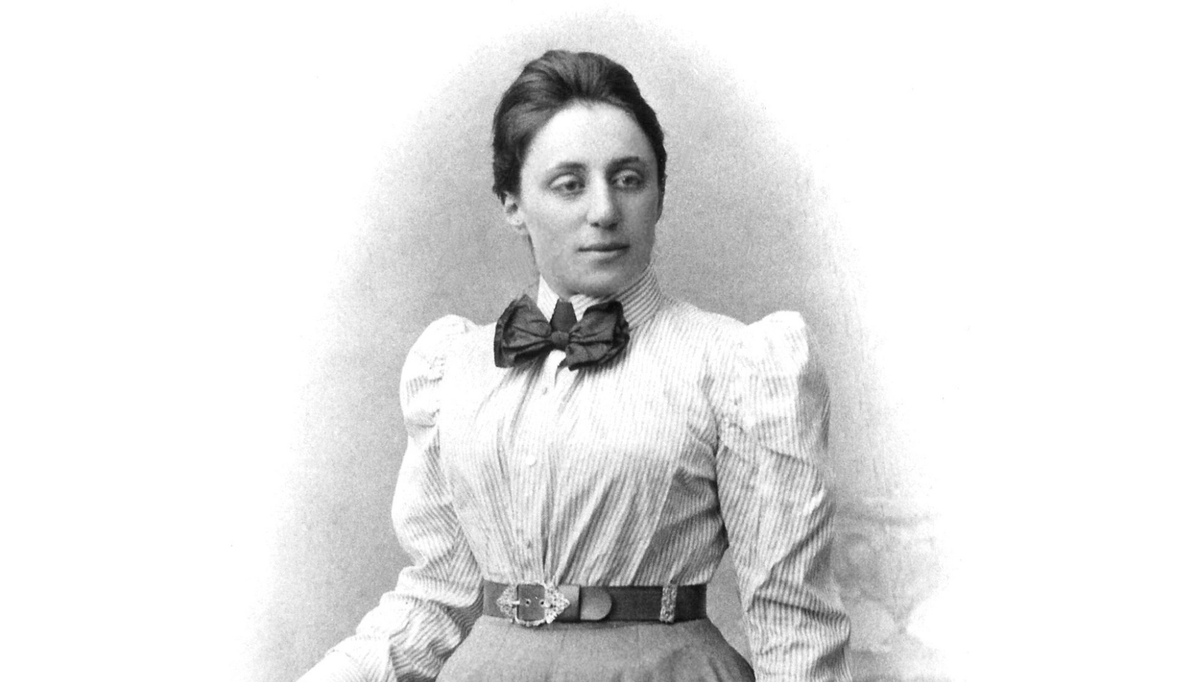
Emmy Noether: The overlooked mathematician whose theorem underpins modern physics
Noether's work helped prove the conservation of energy in physics, a key foundation for Einstein's theory of relativity
 scientificamerican.com·22d ago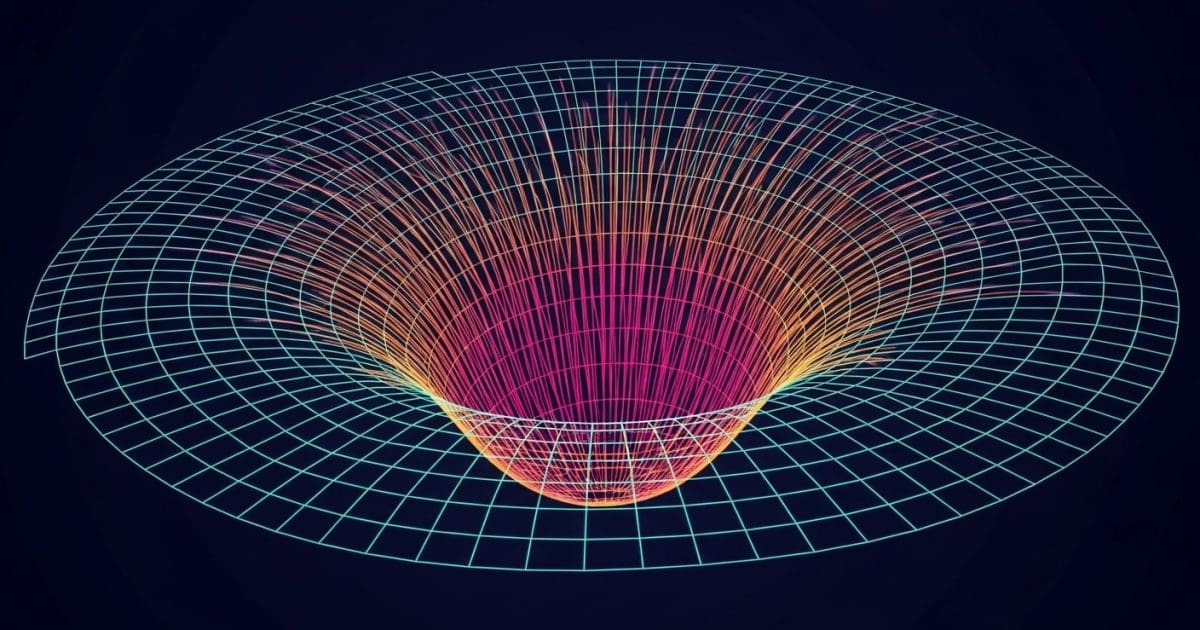
Researchers Establish Riemannian Geometry Framework for Tensor Network Optimization
Tensor networks, previously understood through fundamental theorems limited to matrix product states and some projected entangled pair state
 iq.fp2.dev·20d ago
The Geometry of Opening
The Geometry of Opening 🧪🌿🌎🐡 open.substack.com/pub/alwaysso...

Riemannian Normalization Reimagined: LieBN's New Approach
LieBN offers a fresh take on Riemannian normalization, addressing the limitations of existing methods. With applications across nine geometr
Riemannian Geometry Unlocks New Insights in Language Models
Riemannian Mean Pooling outshines traditional methods in understanding language model embeddings, opening new doors for AI interpretability

Elementary Story: How Geometry Got Its Name
Explore the Montessori story of geometry’s origins, from ancient Egyptian rope-stretchers to modern classrooms, inspiring children’s wonder
Comments
Sign in to join the conversation.
No comments yet. Be the first.