
























Understanding German Possessive Pronouns: A Guide for Language Learners
German has many versions of “my,” “your,” “his,” etc. How do you know which to use?
Read the full articleYou might also wanna read


48 German Dog Commands for Language Learners and Pet Owners
Are you learning German and looking to learn and practice new German words with your dog? If yes, then we have great news for you—and Rex or
fluentu.com·3mo ago

Vier Sprachen, „jüngeres“ Gehirn? Studie findet deutliche Unterschiede zu Einsprachigen
Forscher aus dem Baskenland fanden Hinweise darauf, dass mehrsprachige Menschen eine „jüngere“ Gehirnaktivität aufweisen. Entscheidend sei u
Merkur·7d ago
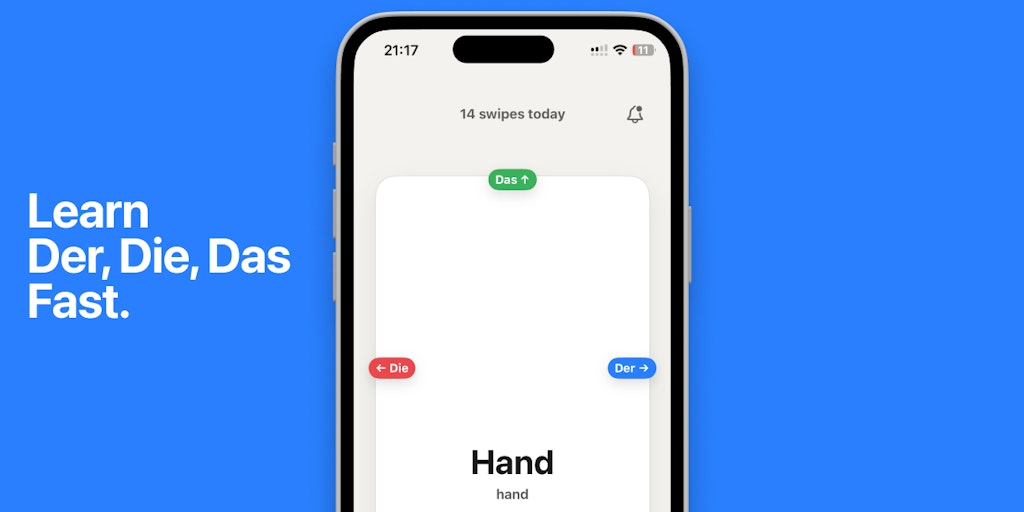
Der Die Das Swipe: Flashcard App for Learning German Noun Genders
Struggling with German noun genders? Master “der, die, das” with a swipe-based flashcard trainer designed to help you memorize German articl
 Product Hunt·10mo ago
Im Streit geraten: Große Suche nach Schwimmer – der längst Zuhause war
ZEIT·3d ago

Bildung: Experte: Schlechtes Deutsch kann mehrere Gründe haben
ZEIT·4d ago
KI verändert die Spielregeln: Warum sich generative KI immer schwerer erkennen lässt
Wer nach typischen KI Fehlern sucht, sucht heute oft vergebens. Entscheidend ist nicht mehr das Erkennen der KI, sondern das Überprüfen der
VOL.AT
Comments
Sign in to join the conversation.
No comments yet. Be the first.