
























Understanding Fil-C: A Simplified Model of Memory-Safe C/C++ Implementation
I've seen lots of chatter about Fil-C recently, which pitches itself as a memory safe implementation of C/C++. You can read the gritty details of how this is achieved, but for people coming across it…
Read the full articleYou might also wanna read
Silent foe or quiet ally: Brief guide to alignment in C++. Part 3 -- Elizaveta Zhegalova
We continue our deep dive into memory mechanics. If you are just joining us, I recommend reviewing the foundations first. The first part cov
Microsoft Extends Rust-Influenced Memory-Safety Push to C#
Microsoft is applying lessons from Rust to C# in a planned redesign of the unsafe code model, continuing a years-long company focus on reduc


Microsoft plans memory safety improvements for C# inspired by Rust, without dropping automatic memory management
Unsafe bits get a warning label in planned low-level coding shake-up
 theregister.com·1mo ago
Engineers Detail Technical Hurdles of Rewriting PostgreSQL Database Engine in Rust
Developers attempting to rewrite PostgreSQL in Rust have documented significant technical challenges, including a 12–15% CPU overhead introd
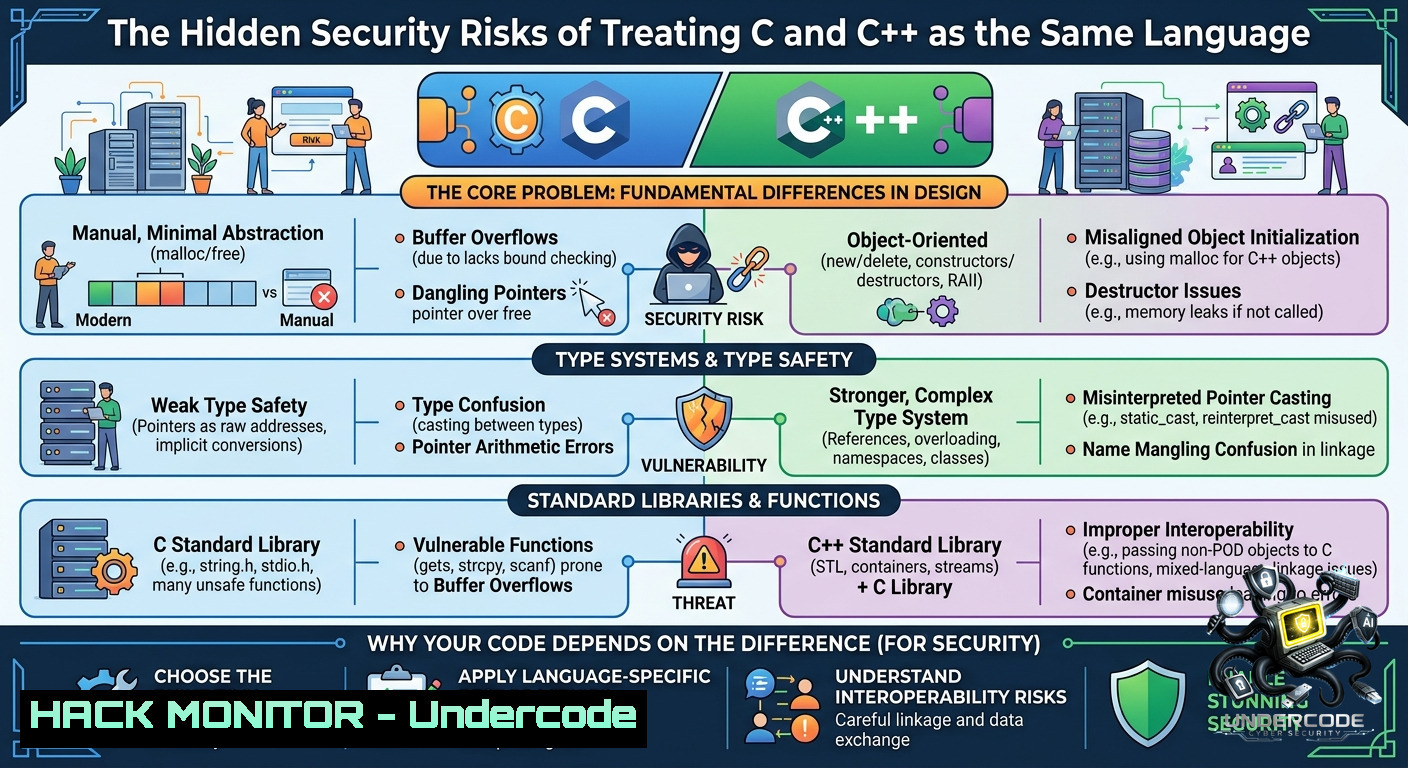
The Security Risks of Conflating C and C++: Why the Differences Matter for Secure Coding
The Hidden Security Risks of Treating C and C++ as the Same Language (And Why Your Code Depends on the Difference) + Video - "Undercode Test
 undercodetesting.com·1mo ago
Comments
Sign in to join the conversation.
No comments yet. Be the first.