
























Understanding Dark Patterns: How Online Platforms Trick Consumers
Dark patterns are tactics websites or apps use to nudge, manipulate or trick you into spending more money than you’d planned or providing personal data that’s not needed.This page describes common…
Read the full articleYou might also wanna read


Study Documents Manipulative 'Dark Patterns' Used by AI Chatbots to Exploit Users
A new study by the Center for Democracy & Technology shows how chatbots like ChatGPT, Gemini, Replika and more can lead users down paths the
 404media.co·1mo ago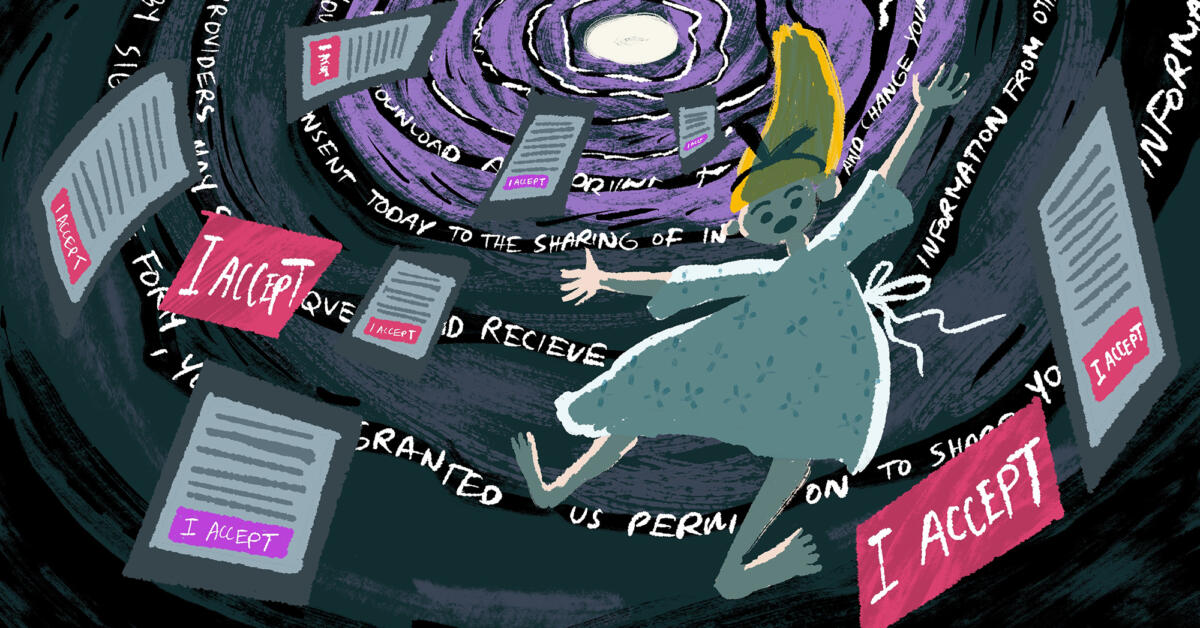
Dark patterns in healthcare privacy forms trick patients into sharing data despite opt-out options
Dark patterns force patients to share their data with big healthcare networks, even when the privacy form they’re signing explicitly says th
 The Markup·1mo ago
Dark patterns in healthcare privacy forms trick patients into sharing data despite opt-out options
Dark patterns force patients to share their data with big healthcare networks, even when the privacy form they’re signing explicitly says th
themarkup.org·1mo agoDark patterns in healthcare privacy forms trick patients into sharing data despite opt-out options
Dark patterns force patients to share their data with big healthcare networks, even when the privacy form they’re signing explicitly says th
themarkup.org·1mo agoWhat Are The Risks Of "Dark Pattern" Social Engineering Techniques?
Dark pattern social engineering techniques come with risks for users and can cause potential widespread legal and reputational damages. Here
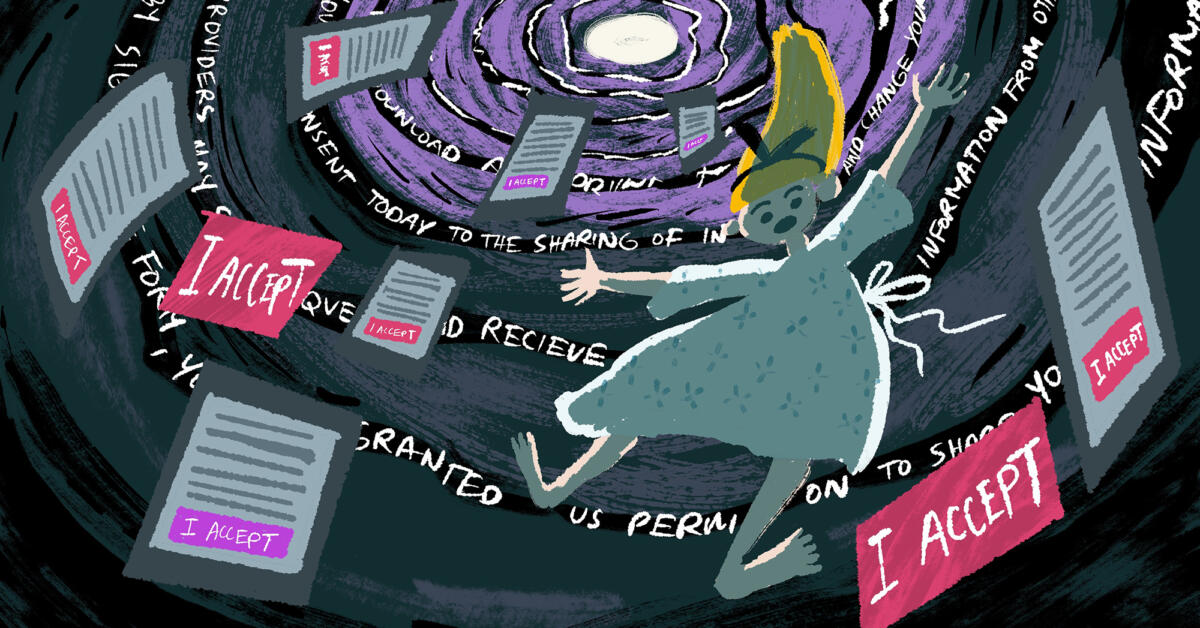
Dark patterns in healthcare privacy forms trap patients into sharing health data despite opt-out options
Dark patterns force patients to share their data with big healthcare networks, even when the privacy form they’re signing explicitly says th
themarkup.org·1mo agoTaking Action on Dark Patterns

AI Platform Detects Manipulative Design Patterns Before Interfaces Ship
We live in a world fraught with interfaces designed to work against you. Most people sense it. Few can prove it, and fewer still are trying
Comments
Sign in to join the conversation.
No comments yet. Be the first.