





















Ubuntu 25.10 to Introduce Architecture Variants for Optimized x86-64-v3 Packages
By
WhyNotHugo

Sketches a bagel but doesn't bake it through.
Summary
Ubuntu is introducing architecture variants in version 25.10, allowing packages to be built for different x86-64 architecture levels. This enables optimized packages specifically targeting modern x86-64-v3 architecture on an opt-in basis, achieved through changes to dpkg, apt, and Launchpad.
Key quotes
· 3 pulledBy making changes to dpkg, apt and Launchpad, we are able to build multiple versions of a package, each for a different level of the x86-64 architecture
we can have packages that specifically target x86-64-v3, for example
in Ubuntu 25.10, some packages are available, on an opt-in basis, in their optimized form for the more modern x86-64-v3 architecture level
You might also wanna read

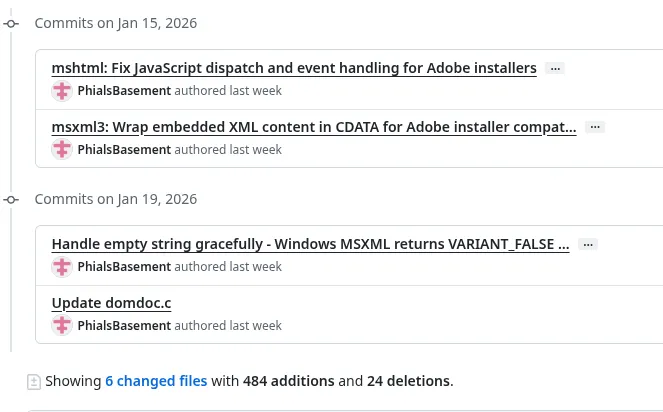
Wine-Staging 11.1 Released with Adobe Photoshop Compatibility Patches for Linux
Wine-Staging 11.1 has been released as an experimental/testing version of Wine with approximately 254 patches over the upstream Wine state.
 phoronix.com·4mo ago
Why Wayland Still Isn't Usable for Linux Users in 2026: An 18-Year Migration Struggle
The article is a detailed personal account of the author's 18-year struggle to adopt Wayland as a replacement for X11 on Linux systems. As t
 michael.stapelberg.ch·4mo ago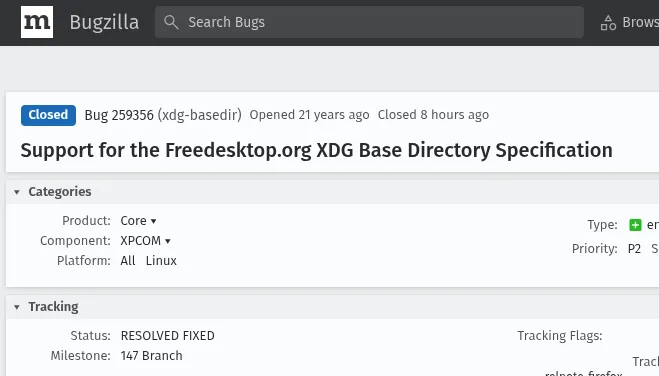
Firefox 147 to Add XDG Base Directory Specification Support After 21-Year Wait
Firefox 147 will finally support the XDG Base Directory specification after 21 years, addressing a long-standing bug report. This change mea
phoronix.com·6mo ago
Ubuntu 25.10 Adds amd64v3 Architecture Support for Performance-Optimized Packages
Ubuntu 25.10 introduces support for amd64v3 architecture variants, allowing users to choose between compatibility-focused packages and perfo
 discourse.ubuntu.com·7mo ago
Ubuntu 25.10 Automatic Update Bug in Rust-Based Date Command
The article discusses a bug in Ubuntu 25.10's automatic update system related to the Rust-based uutils version of the date command. The bug
 lwn.net·7mo ago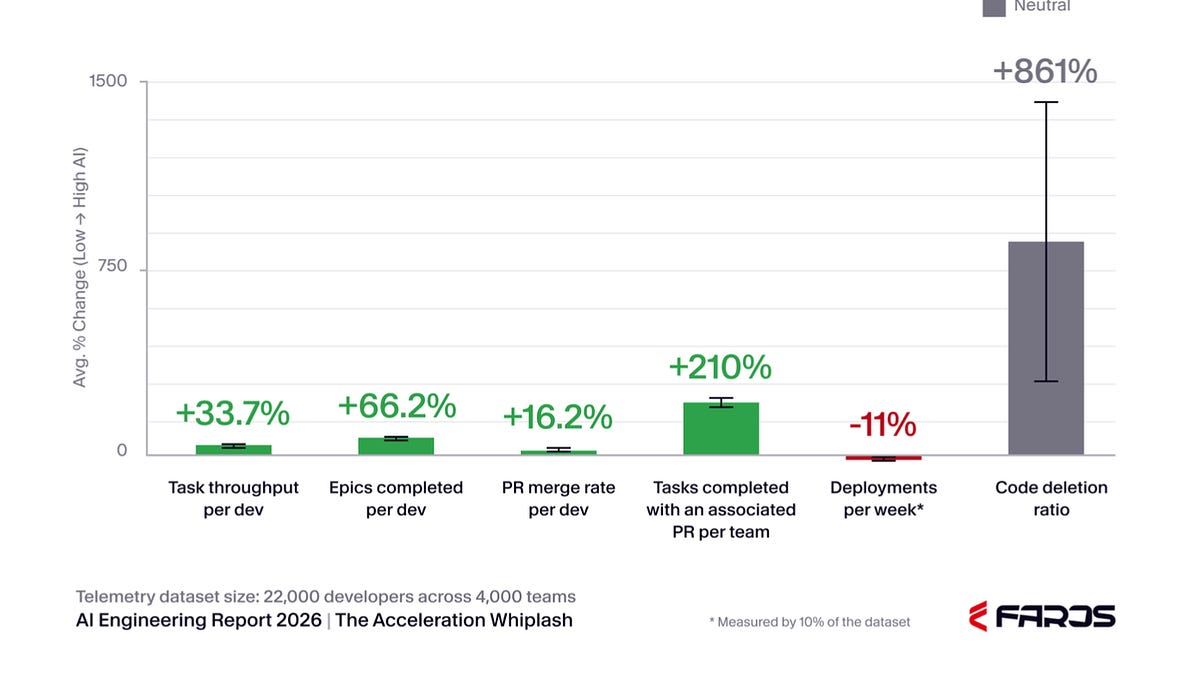
Why Average LLM Use Is Likely Destroying Value in Software Development
The author argues that, contrary to prevailing hype, the average use of Large Language Models (LLMs) is likely destroying value rather than
 unessays.substack.com·16h ago