





















Ubuntu 25.10 Adds amd64v3 Architecture Support for Performance-Optimized Packages
By
jnsgruk

A bagel you'd recommend to a friend without hedging.
Summary
Ubuntu 25.10 introduces support for amd64v3 architecture variants, allowing users to choose between compatibility-focused packages and performance-optimized packages that require newer CPUs with specific instruction sets. This new feature provides a middle ground between Ubuntu's traditional compatibility focus and bleeding-edge performance, enabling users to select packages optimized for modern hardware while maintaining backward compatibility options.
Key quotes
· 3 pulledUbuntu prides itself on being among the most compatible Linux distributions.
Compatibility is often a conscious trade-off against bleeding-edge performance.
In Ubuntu 25.10, we have added support for packages that target...
You might also wanna read

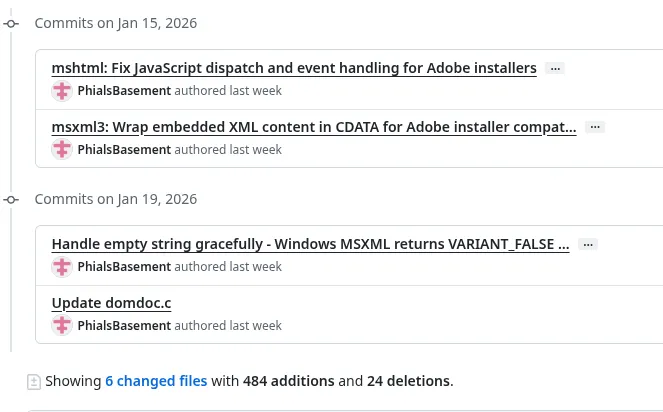
Wine-Staging 11.1 Released with Adobe Photoshop Compatibility Patches for Linux
Wine-Staging 11.1 has been released as an experimental/testing version of Wine with approximately 254 patches over the upstream Wine state.
 phoronix.com·4mo ago
Why Wayland Still Isn't Usable for Linux Users in 2026: An 18-Year Migration Struggle
The article is a detailed personal account of the author's 18-year struggle to adopt Wayland as a replacement for X11 on Linux systems. As t
 michael.stapelberg.ch·4mo ago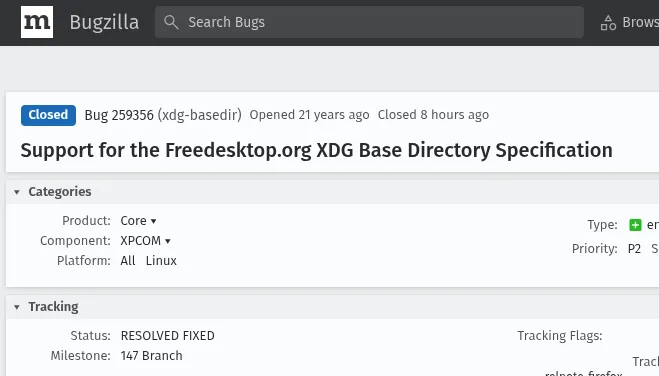
Firefox 147 to Add XDG Base Directory Specification Support After 21-Year Wait
Firefox 147 will finally support the XDG Base Directory specification after 21 years, addressing a long-standing bug report. This change mea
phoronix.com·6mo ago
Ubuntu 25.10 to Introduce Architecture Variants for Optimized x86-64-v3 Packages
Ubuntu is introducing architecture variants in version 25.10, allowing packages to be built for different x86-64 architecture levels. This e
 lwn.net·7mo ago
Ubuntu 25.10 Automatic Update Bug in Rust-Based Date Command
The article discusses a bug in Ubuntu 25.10's automatic update system related to the Rust-based uutils version of the date command. The bug
lwn.net·7mo ago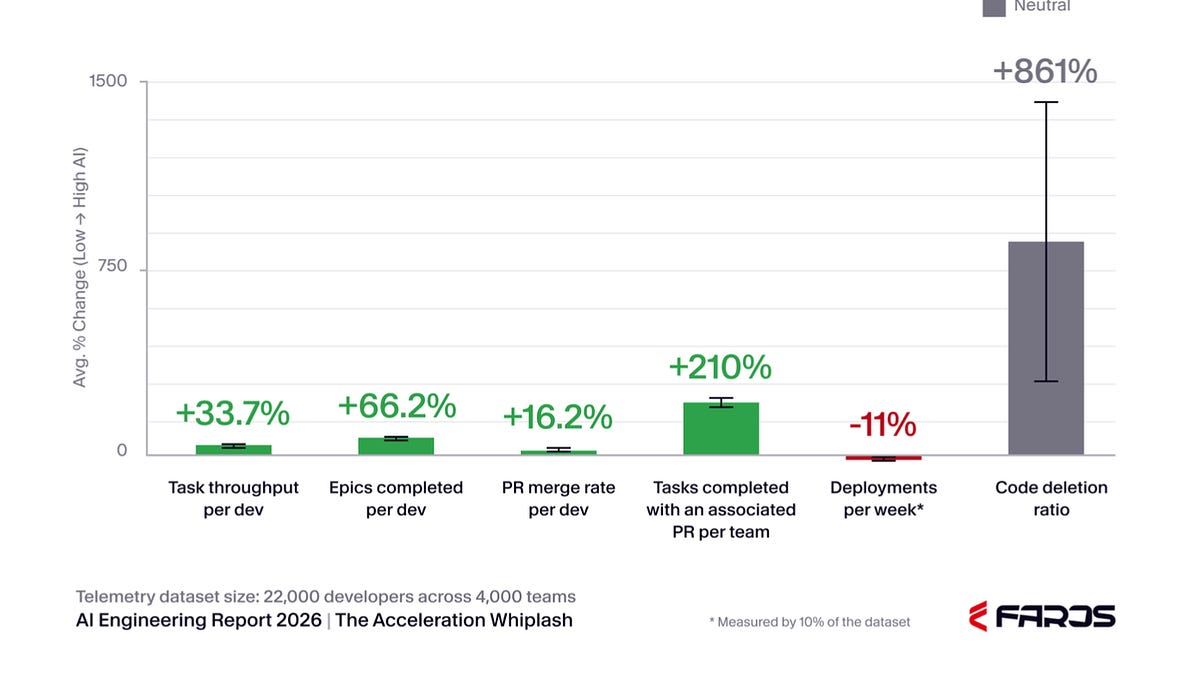
Why Average LLM Use Is Likely Destroying Value in Software Development
The author argues that, contrary to prevailing hype, the average use of Large Language Models (LLMs) is likely destroying value rather than
 unessays.substack.com·12h ago