
























Types of Welding: Detailed Guide to Processes, Applications, and Advantages (2025)
Unknown ([email protected])7mo ago
From the article
Types of Welding: Detailed Guide to Processes Welding is one of the most essential metal-joining processes in modern manufacturing. From constructing skyscrapers and bridges to building vehicles, pipelines, and even space structures—welding plays a critical role in nearly every major industry. Choosing the correct welding method directly affects strength, productivity, and cost. This comprehensive guide covers all major types of welding , their working principles, advantages, disadvantages, and industrial applications. 🔥 What is Welding? Welding is a fabrication process that joins two or more materials (usually metals or thermoplastics) by: Applying heat Applying pressure Or a combination of both Often, a filler metal is used to strengthen the joint. ⭐ Major Categories of Welding Welding processes can be broadly classified into: Welding Category Main Heat Source Melting? Typical Applications Arc Welding Electric arc Yes Construction, fabrication Gas Welding Gas flame Yes Repairs, pipelines Resistance Welding Electric resistance Yes Automotive sheet metal Solid-State Welding Friction/pressure No melting Aerospace, electronics High-Energy Beam Welding Laser/electron beam Yes Precision & aerospace Thermit / Chemical Welding Chemical reaction Yes Rail joints 🔧 1️⃣ Arc Welding Processes Arc welding uses an electric arc to melt metals and filler. ✔ SMAW — Shielded Metal Arc Welding (Stick Welding) Electrode is coated with flux Portable and used outdoors Advantages Simple and low-cost equipment Works with rusty or oily metals Best for onsite heavy structures Disadvantages Slower than MIG Skilled welder required Applications Construction, shipbuilding, maintenance & repair ✔ GMAW / MIG Welding (Metal Inert Gas) Continuous wire feed Shielding gas protects weld Advantages Fast & high productivity Easy to learn Clean welds Disadvantages Not suitable outdoors without protection Applications Automotive manufacturing, fabrication shops ✔ FCAW — Flux-Cored Arc Welding Similar to MIG but wire has flux core Advantages Ideal for outdoor/windy conditions Works on thicker sections Applications Heavy fabrication, construction, shipyards ✔ GTAW / TIG Welding (Tungsten Inert Gas) Tungsten electrode, high precision No spatter; best aesthetic quality Advantages Strong, clean, high-quality welds Disadvantages Slow process Expensive equipment Applications Aerospace, stainless steel, pipelines, artwork ✔ SAW — Submerged Arc Welding Granular flux covers weld completely Advantages High deposition rate Deep penetration Applications Pressure vessels, large steel structures 🔥 2️⃣ Gas Welding Oxy-Acetylene Welding (OAW) Flame produced by burning acetylene with oxygen Advantages Low cost, simple setup Versatile for cutting & brazing Applications Repairs, plumbing, pipelines, fabrication ⚡ 3️⃣ Resistance Welding Heat generated by electrical resistance at joint surface. Type Feature Common Use Spot Two electrodes clamp sheets Car body panels Seam Rolling wheels make continuous weld Fuel tanks Projection Small projections localize heat Nuts & fasteners Advantages Very fast & automated No filler needed 🌀 4️⃣ Solid-State Welding No melting—bond created by pressure + friction/heat. Welding Type Principle Industry Friction Welding Rotational energy Shafts & rods manufacturing Ultrasonic Welding High-frequency vibration Electronics, plastics Diffusion Welding Heat + pressure for hours Space & defense Cold Welding High pressure at room temp Electrical connections Explosion Welding Explosive force Cladding dissimilar metals 💡 5️⃣ High-Energy Beam Welding Used for precision and high-strength joints. Laser Beam Welding (LBW) Narrow heat-affected zone Automated and high accuracy Electron Beam Welding (EBW) High depth of penetration Conducted in vacuum chamber Applications Aerospace, nuclear reactors, micro-electronics 🔥 6️⃣ Thermit Welding Exothermic chemical reaction using aluminum and iron oxide mixture Produces intense heat (~2500°C) Applications Railway track joining Heavy casting repairs 📌 Choosing the Right Welding Process Factors influencing process selection: ✔ Material type ✔ Thickness ✔ Joint design ✔ Productivity required ✔ Cost of equipment ✔ Desired weld strength/appearance ✔ Indoor vs outdoor environment 🏁 Conclusion Welding is a rapidly evolving field with advanced technologies improving: Strength Speed Efficiency Sustainability Understanding the different types of welding helps industries select the best method for reliable and economical production. As automation and robotics grow, welding will continue being a core technology shaping the future of manufacturing and infrastructure development. 👋 Thank You for Reading! We appreciate your time and interest in renewable energy, EVs, and cutting-edge tech. Your curiosity helps drive a sustainable future forward. 📱 Follow Us on Social Media: 🌐 Visit our website
Continue reading on omkarmhatre.inYou might also wanna read


Re-thinking busbar production: 7 benefits of optimized manufacturing with ultrasonic welding
chargedevs.com·2d ago
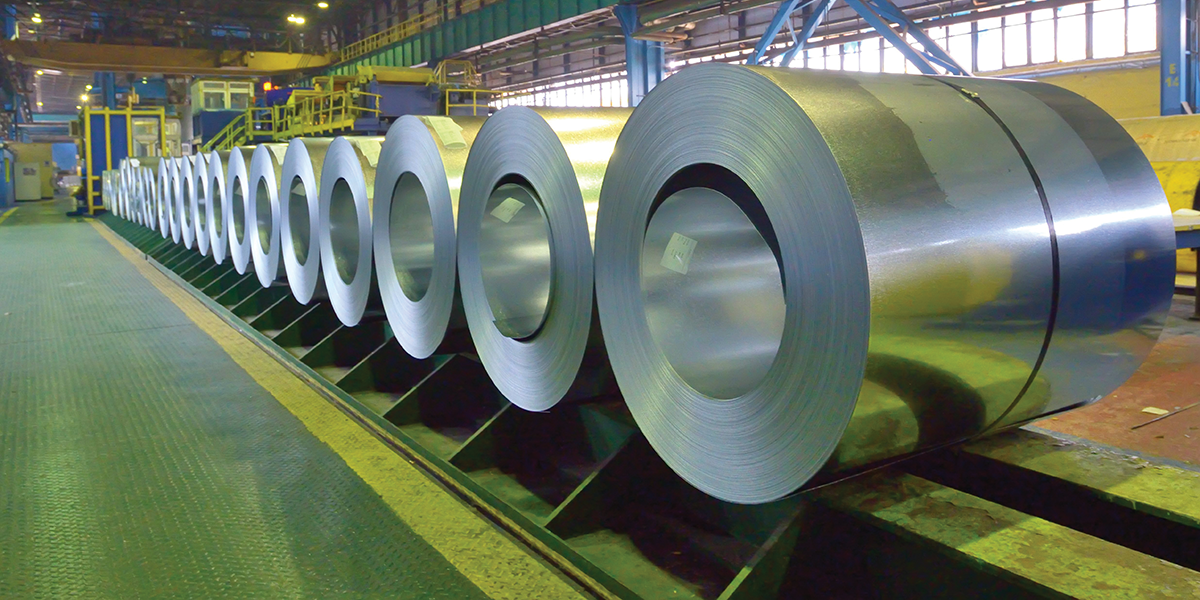
Global push for decarbonization drives adoption of green steel and hydrogen technologies
The article discusses the global shift towards decarbonization through green steel and hydrogen technologies. Green steel production, partic
 greenbuildermedia.com·1mo ago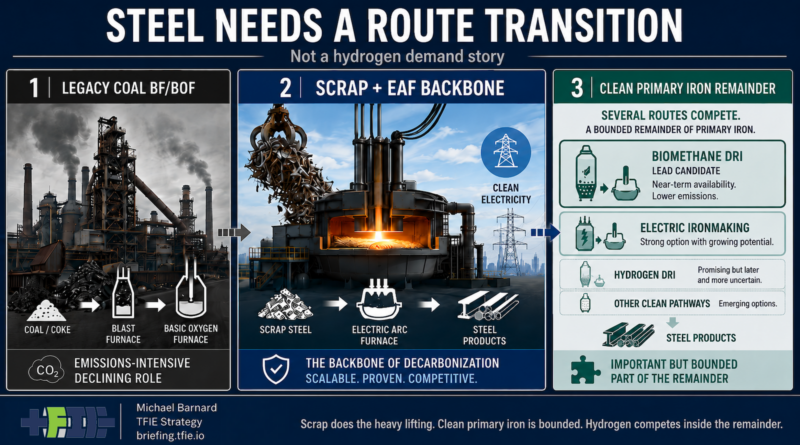
Steel Decarbonization Depends on Scrap and Electric Arc Furnaces, Not Hydrogen
The article argues that steel decarbonization is fundamentally about transitioning to scrap-based electric arc furnace production and retiri
 cleantechnica.com·29d ago
Mastering Carbon Steel Pans: Tips for Perfect Cooking and Care
cycookery.com

Transforming Construction: 3D Printing and Construction Robots
STH·1y ago
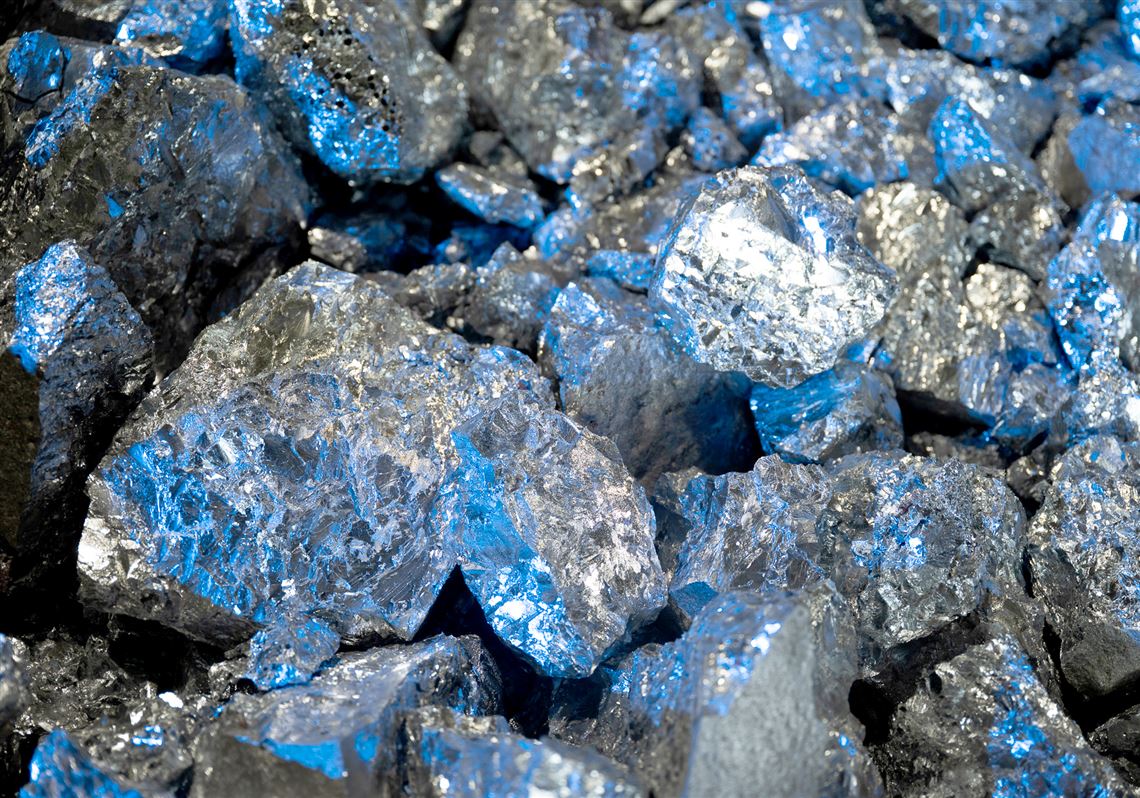
First U.S. chrome production facility in decades to be built in New Castle, Pennsylvania
A new chrome production facility is being built in New Castle, Pennsylvania — the first such facility in the United States in decades. Chrom
 post-gazette.com·10d ago
Comments
Sign in to join the conversation.
No comments yet. Be the first.