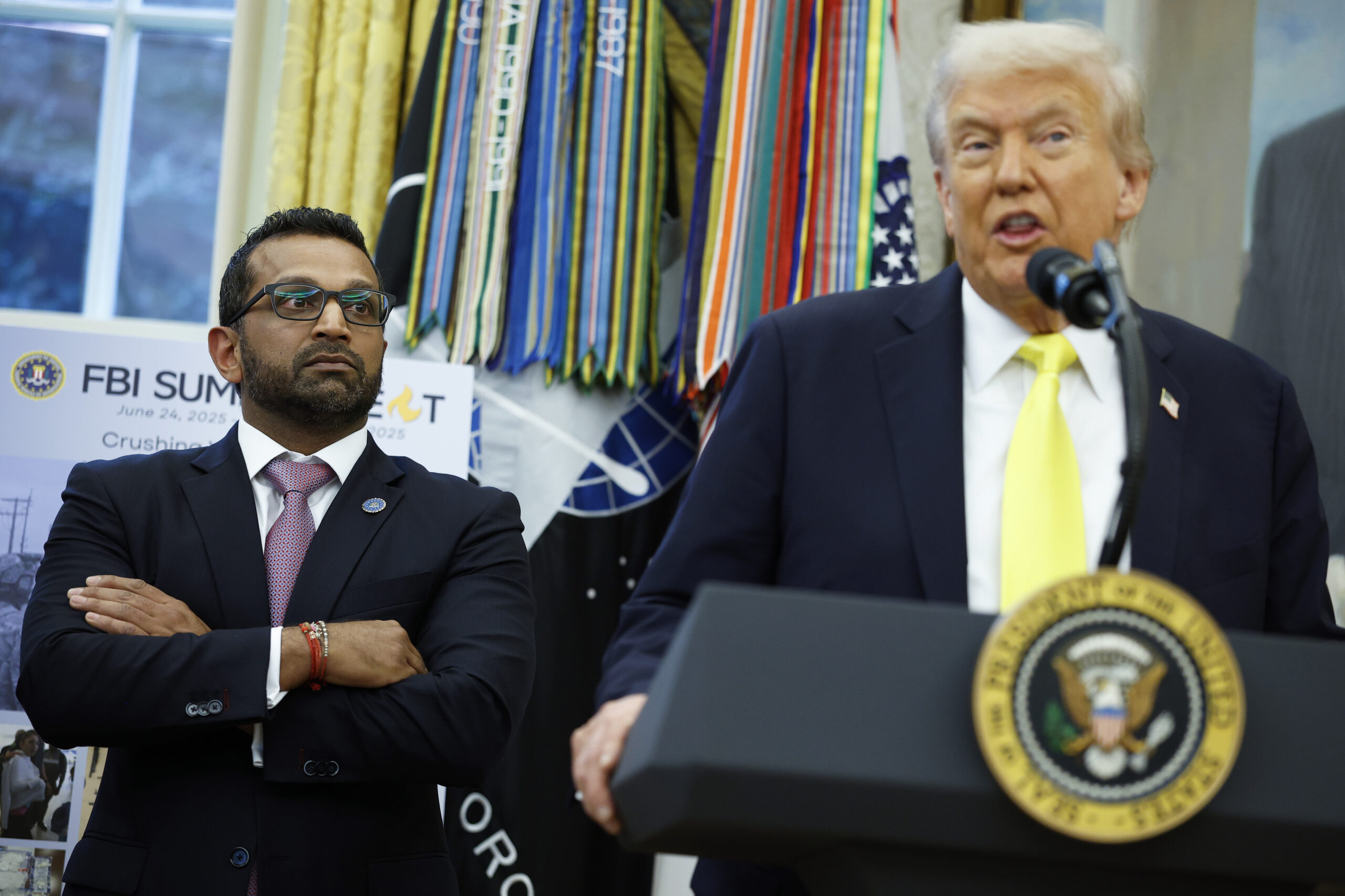
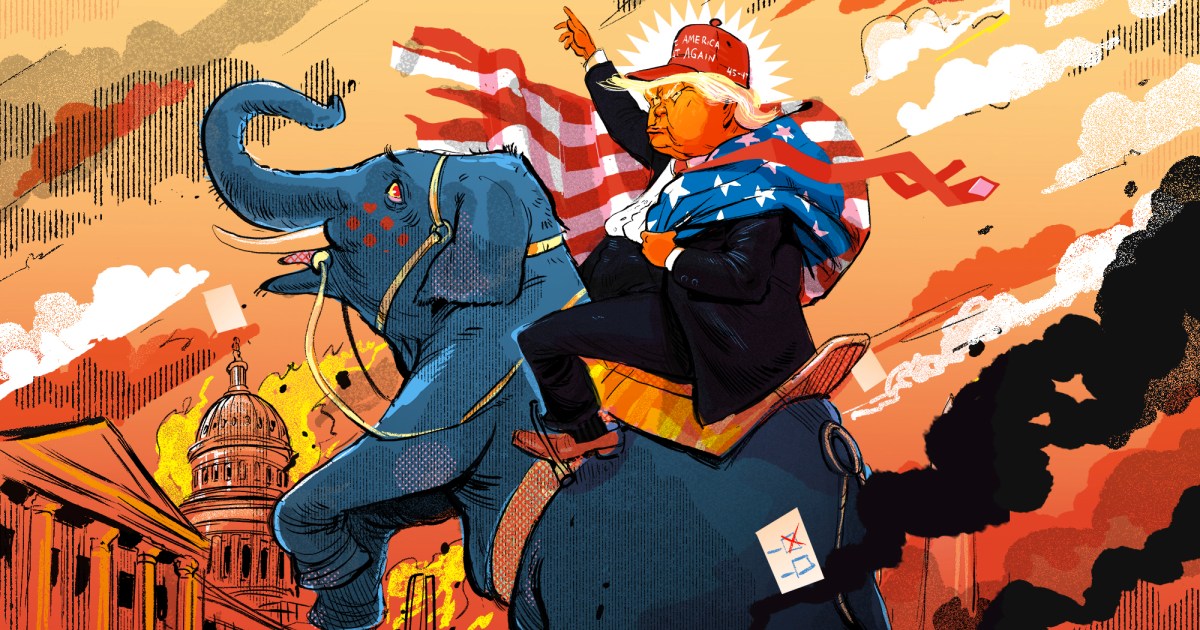
The One Thing That Keeps MAGA Giddy. Agencies and officials across the federal government have, at the direction of Mr. Trump, undertaken dozens of actions grounded in novel strategies and aimed at insulating Republicans from potential losses in November. Those actions fall into six major categories, and some fall into more than one. Those six categories are: (1) "taking steps to nationalize elections," (2) "trying to tighten voting restrictions," (3) "pushing for mid-decade redistricting," (4) "cutting election security," (5) "undermining faith in the electoral system by questioning previous results," and (6) "punishing those who have worked against election denialism." Trump, the New York Times reporters note, has "installed" a long list of "election deniers" in the federal government — including Jeanine Pirro, Harmeet K. Dhillon and FBI Director Kash Patel at the U.S. Department of Justice (DOJ), Patrick Weaver at the Defense Department, and Heather Honey and Secretary Markwayne Mullin at the U.S. Department of Homeland Security (DHS). "While Mr. Trump's attempts to use executive orders to change elections have been largely blocked by courts," Yourish, Corasaniti and Smart explain, "the president and his allies have found other avenues to add new restrictions to voting that are designed to help them win at the ballot box. Soon after Mr. Trump took office, the Justice Department dropped or halted all of its open voting rights lawsuits that preceded Mr. Trump's inauguration, easing the path for partisan gerrymanders and voting laws to withstand legal scrutiny. That included dropping a lawsuit against a voting law in Georgia. The number of lawyers working in the voting-rights arm of the Justice Department, one of the government's critical bulwarks against civil rights abuses in voting and elections, has dwindled from about 30 at the end of the Biden administration to the single digits after resignations, cuts and reassignments." Worried that that’s not enough, desperate Trump runs to his old safeguard. He secretly ordered a surge in immigration arrests that has seen more than 10,000 people detained in just five days. The clampdown marks a change of gear for a president, 80, whose high-profile enforcement operations last year descended into chaos and bloodshed. Border Patrol and ICE agents shot at least 14 people between September 2025 and February 2026, among them two U.S. citizens killed in Minneapolis. They were Renee Nicole Good, a 37-year-old mother shot dead by ICE agent Jonathan Ross on Jan. 7, and Alex Pretti, also 37, and a VA intensive care nurse, who was thrown to the ground and shot by Border Patrol agents at a protest weeks later. Agency leaders have now ordered top ICE officials to throw more of their officers into rounding up immigrants marked for deportation, according to the New York Times , which obtained internal documents and spoke to federal officials. The White House wanted more arrests, three officials with knowledge of the conversations told the paper. They were told 2,000 detentions a day was the new benchmark. According to its own figures, that appears to have worked. Daily arrest numbers have roughly doubled from the 1,000 picked up each day earlier this year. Agents have seized people at routine immigration check-ins, during traffic stops, and out on the street. Detentions peaked on Saturday, when more than 2,400 people were taken in a single day, according to the Times. The detained population inside ICE facilities has jumped by nearly 4,000, to more than 63,000 as of Tuesday. But this time, as the eyes of the world are trained on the U.S. during the soccer World Cup, there is no fanfare. Last year’s operations were announced in advance and defined by officers pouring into Democratic-run cities. In the summer of 2025, the so-called “commander-at-large” Gregory Bovino racked up more than 5,000 arrests in Los Angeles and over 3,000 in greater Chicago, a campaign that was quickly buried under courtroom humiliations . It all fell apart in Minneapolis, where Operation Metro Surge collapsed amid the deaths of Pretti and Good, and ended with the resignations of Bovino and the then-DHS Secretary Kristi Noem, 54. Homeland Security Secretary Markwayne Mullin, 48, who replaced Noem, has pledged a quieter enforcement drive since. “We are going to take a different approach that can be more effective and less public-facing,” Mullin said, although this week has seen him make a number of gaffe-strewn media appearances to mark 100 days in charge of DHS, some of which contained questionable data . The perceived go-slow that followed Minneapolis had infuriated the president’s MAGA base. Arrests had slumped to as low as 1,200 a day, a fraction of Deputy White House Chief of Staff Stephen Miller’s stated goal of 3,000 detentions daily—a target the agency has never hit. The renewed push suggests Trump wants to at least attempt to deliver on his signature promise of mass deportations. It comes days after the Supreme Court handed him a mixed result, expanding his power over immigration policy while blocking his bid to end birthright citizenship . In South Texas, Nigerian nun Sister Letty Ugboaja, a local nurse, was arrested on her way to church on Sunday morning, according to her colleague Sister Norma Pimentel. She was released the same day after congressional officials intervened. “It took her a while to be able to talk—she was crying,” Pimentel told the Times. Immigration lawyers report the same pattern across the country. In Utah, attorney Ysabel Lonazco said one client, a man who had overstayed his visa, was picked up while driving over the weekend. “People don’t want to leave their houses,” she said. “They are afraid to drive to do their grocery shopping.” DHS defended the sweep. “Our message is clear: If you come to our country illegally, we will find you, we will arrest you and we will deport you,” department spokeswoman Lauren Bis said in a statement.

























 rougemag.squarespace.comTrump Secretly Orders Mass Arrests After ICE Disasterssquarespace.com
 democracydocket.com·2d ago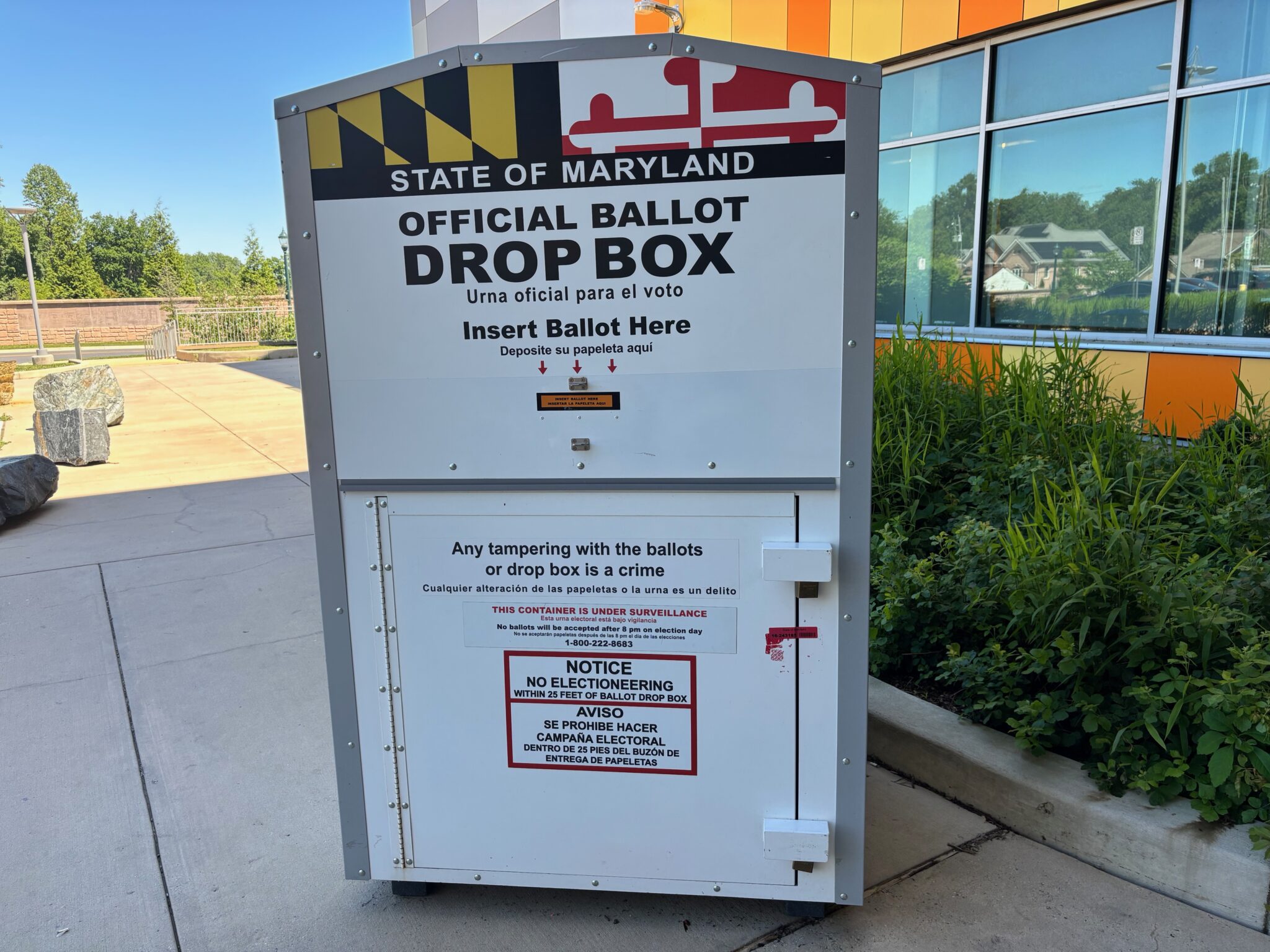
 kansasreflector.com·25d ago
:max_bytes(150000):strip_icc():focal(769x417:771x419)/President-Donald-Trump-East-Room-White-House-2026-040726-7dfc1749939340c984389c74b287e286.jpg)
 People.com·1mo ago
 motherjones.com·1mo ago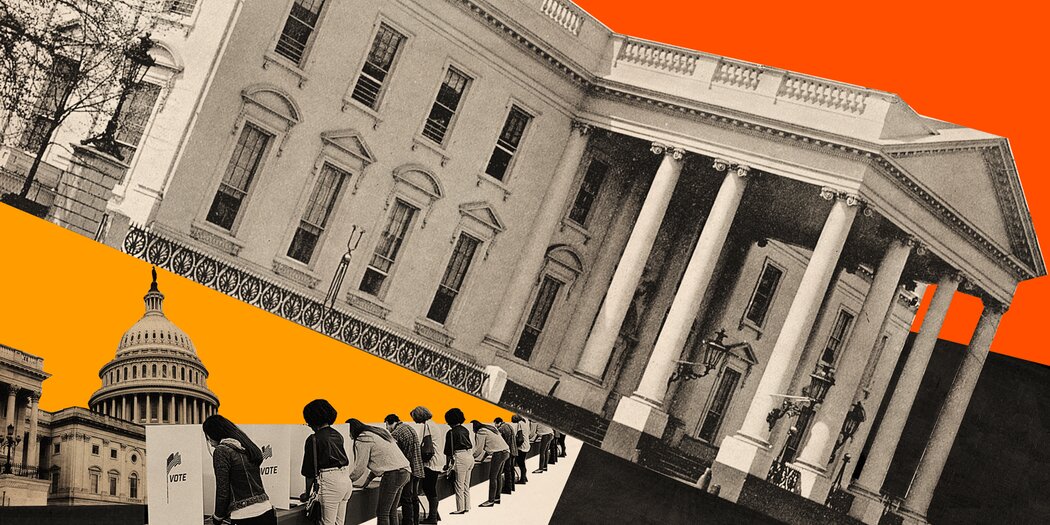
 brennancenter.org·11mo ago
Comments
Sign in to join the conversation.
No comments yet. Be the first.