
























Tropical forests stop absorbing carbon dioxide during El Niño events. This year could be the worst.
El Niño transforms tropical forests from carbon sinks to sources. 2026 could be the worst year yet.
Read the full articleYou might also wanna read
Tropical forests can switch from carbon sinks to carbon sources during El Niño
Tropical forests draw down and store large quantities of CO₂ from the atmosphere. The Amazon rainforest in South America, for example, store

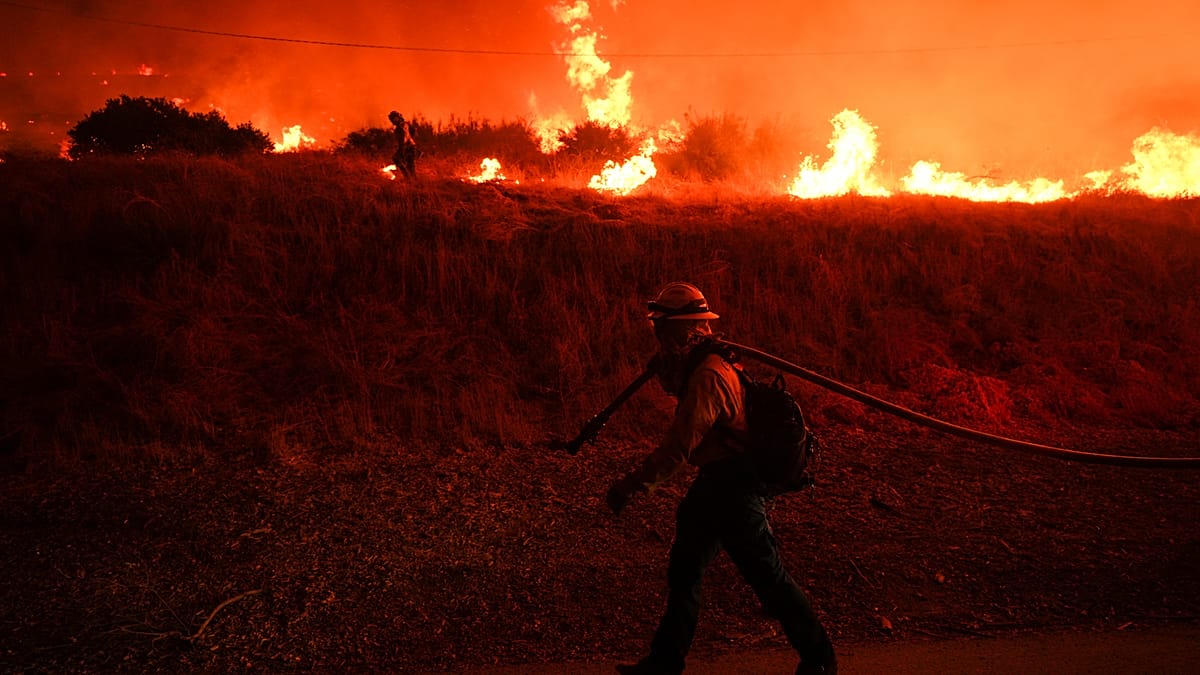
NOAA confirms El Niño formation, scientists warn of historic strength and extreme weather impacts
NOAA has officially confirmed the start of El Niño, which is set to worsen global warming from the burning of fossil fuels.
 euronews.com·1mo ago
A benchmark for how different disturbances influence the loss and recovery of carbon and CO₂ in tropical forests
Tropical moist forests account for 70% of global living biomass. Deforestation and degradation—that is, the partial damage to tree stands—as
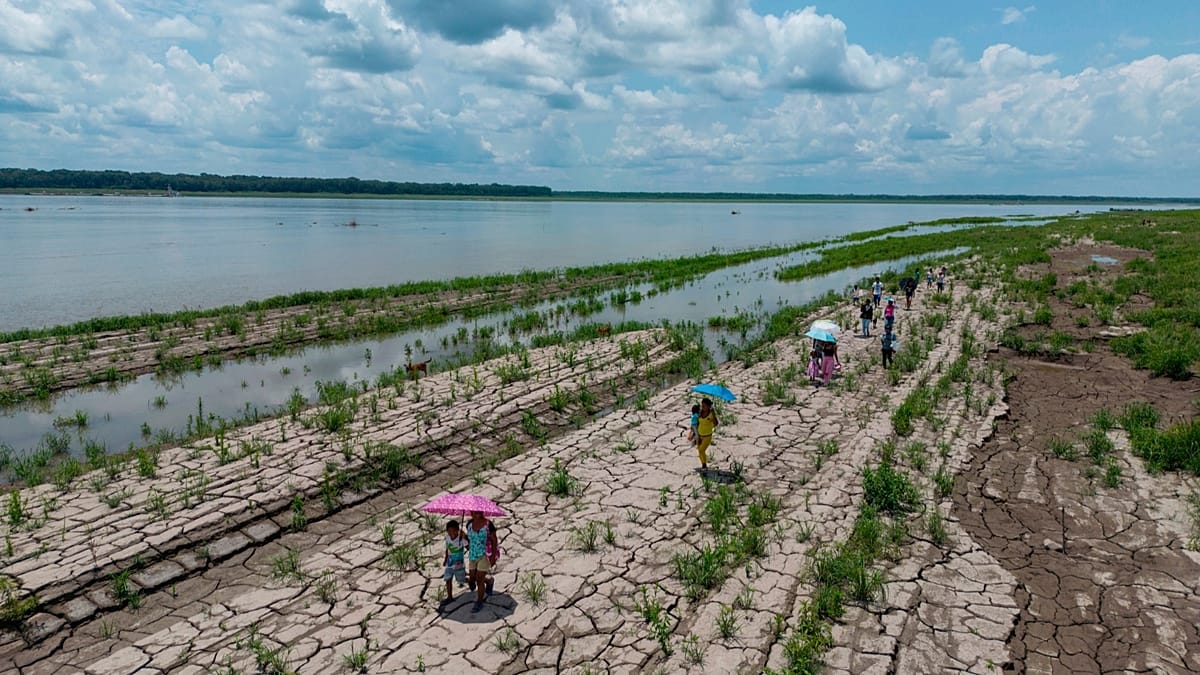
El Niño officially begins: Scientists warn of severe drought, energy shortages and food insecurity impacts on Europe
This year’s potentially record-breaking El Niño could impact food systems, energy production, economies, ecosystems and human wellbeing.
euronews.com·25d ago
Tropical Forests See Smaller Losses in 2025
Global tropical forests are under intense pressure from a combination of agricultural expansion, wildfires, and land-use change. The latest
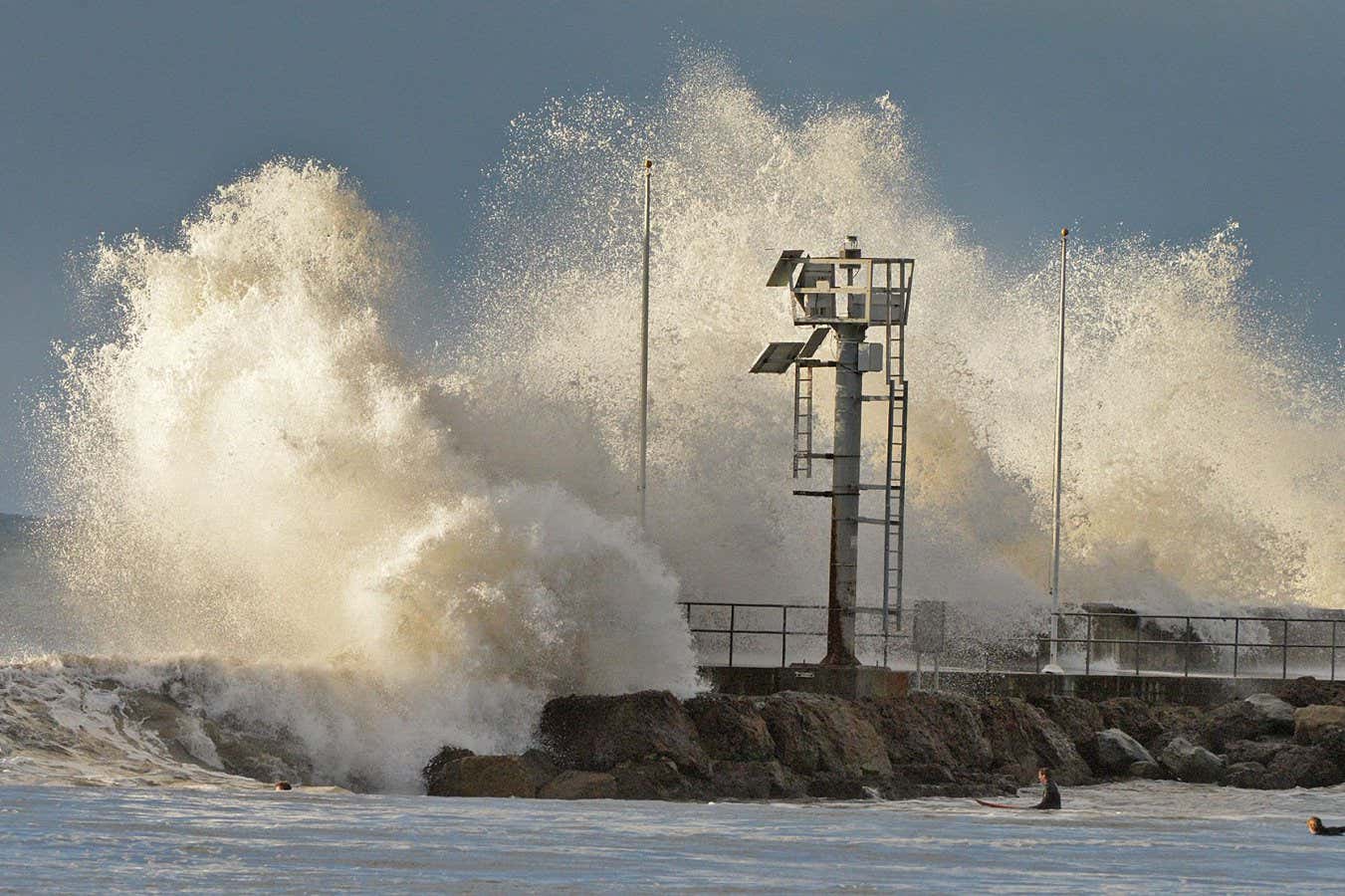
Climate change will amplify future El Niño impacts regardless of current event's strength
Global warming will amplify the impacts of El Niño events, and could also make them much stronger and more far-reaching
 newscientist.com·1mo ago
Comments
Sign in to join the conversation.
No comments yet. Be the first.