
























Triple Double: Do Merging White Dwarfs Produce Fast Radio Burst–Emitting Remnants?
Astrobites reports on whether a distant companion in a triple-star system could push the inner binary toward merging into a remnant object that emits fast radio bursts. The post Triple Double: Do…
Read the full articleYou might also wanna read

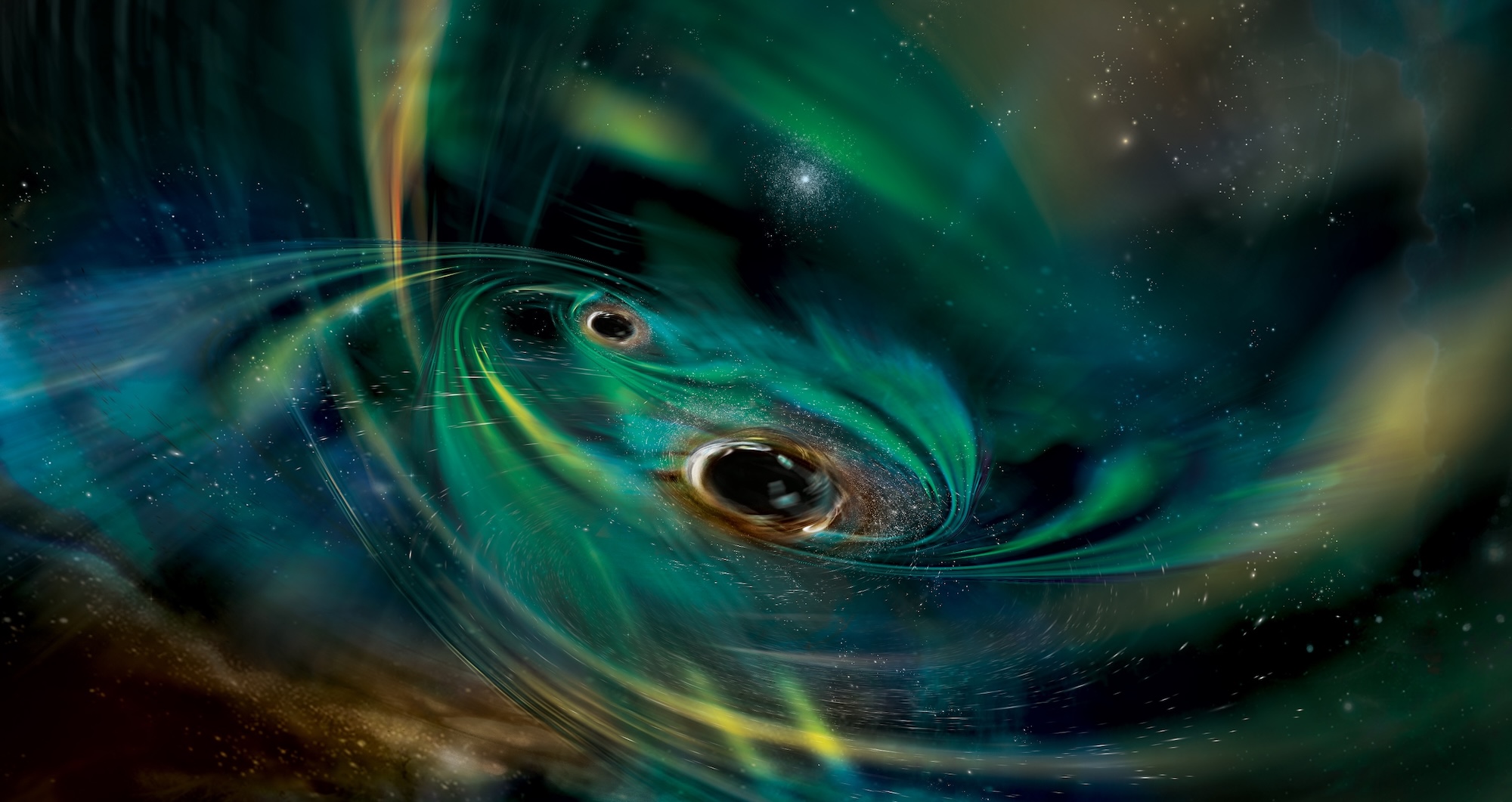
Study Suggests Most Black Hole Mergers Occur in Triple Star Systems
With hundreds of pairs of merging black holes now detected via gravitational waves, researchers can investigate the sites of black hole merg
 aasnova.org·1mo ago
Study Suggests Most Black Hole Mergers Occur in Triple Star Systems
With hundreds of pairs of merging black holes now detected via gravitational waves, researchers can investigate the sites of black hole merg
AAS Nova·1mo agoUntitled
🌌 🧪 For two decades now, #astronomers have been recording short-lived extremely energetic radio signals dubbed fast radio bursts. ✍🏼 New
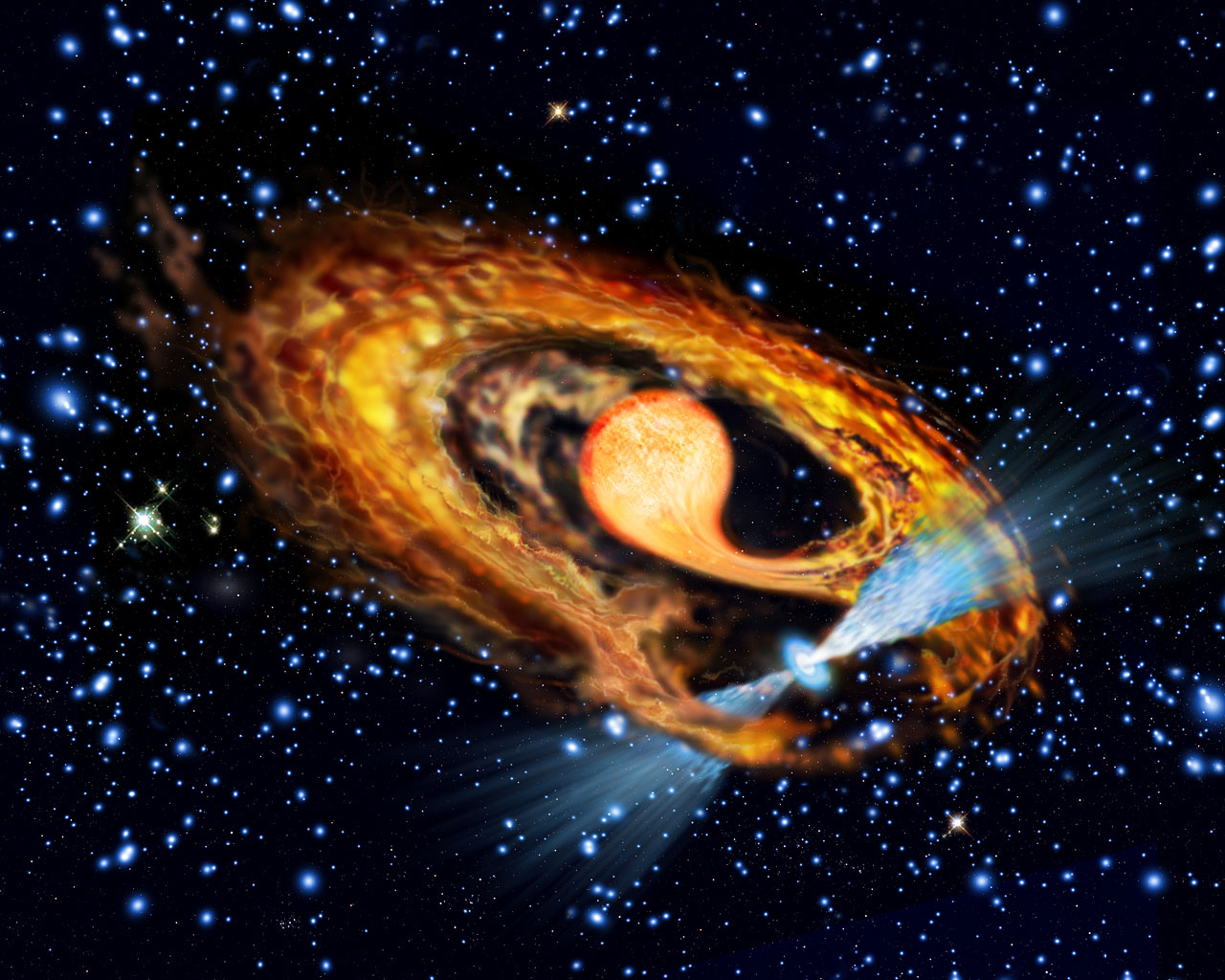
Six New Millisecond Pulsars Discovered Using FAST Telescope Data Stacking
Researchers have discovered six faint millisecond pulsars by stacking FAST radio observations.
aasnova.org·1mo agoSix New Millisecond Pulsars Discovered Using FAST Telescope Data Stacking
Researchers have discovered six faint millisecond pulsars by stacking FAST radio observations.
AAS Nova·1mo ago3I/ATLAS shows perihelion burst and radial-only non-gravitational acceleration
Article URL: Comments URL: Points: 6 # Comments: 0
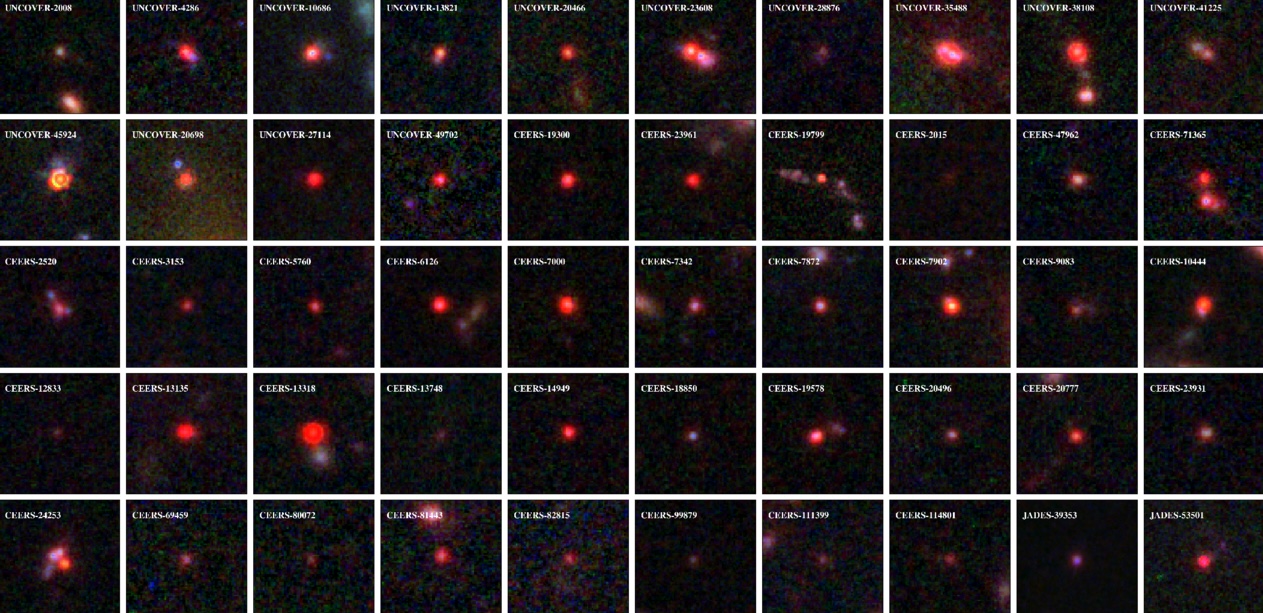
JWST's Little Red Dots: New Research Explores Whether They Are Young Globular Clusters or Objects with Blue Companions
What's behind the population of compact, reddish objects spotted by JWST? Two recent research articles have explored theories involving youn
aasnova.org·9d agoJWST's Little Red Dots: New Research Explores Whether They Are Young Globular Clusters or Objects with Blue Companions
What's behind the population of compact, reddish objects spotted by JWST? Two recent research articles have explored theories involving youn
AAS Nova·9d ago
Faint radio signals detected from previously silent 'Blue Eye' neutron star for the first time
The hushed pulsar, nicknamed Blue Eye, was a previously radio-silent neutron star.
 space.com·3d ago
Faint radio signals detected from previously silent 'Blue Eye' neutron star for the first time
The hushed pulsar, nicknamed Blue Eye, was a previously radio-silent neutron star.
space.com·3d agoFaint radio signals detected from previously silent 'Blue Eye' neutron star for the first time
The hushed pulsar, nicknamed Blue Eye, was a previously radio-silent neutron star.
Space·3d ago
Comments
Sign in to join the conversation.
No comments yet. Be the first.