
























CSS translateZ(): Moving Elements Along the Z-Axis in 3D Space
By
Amit Sheen
Summary
A technical reference article explaining the CSS translateZ() function, which moves elements along the Z-axis in 3D space. It covers how translateZ() works in conjunction with perspective (either the perspective() function or the perspective CSS property), provides code examples and a live demo, and explains that without perspective, translateZ() has no visible effect. The article is part of CSS-Tricks' reference documentation on CSS transform functions.
Source

 CSS-TricksCSS translateZ(): Moving Elements Along the Z-Axis in 3D Spacecss-tricks.com
Key quotes
· 3 pulledThe CSS translateZ() function adds depth to an element, drawing it closer or farther in space.
Either the perspective() function or perspective property is necessary for translateZ() to work. Without either one, there's no effect.
While it looks like the .box element is getting bigger, it's actually moving closer to the viewer.
You might also wanna read

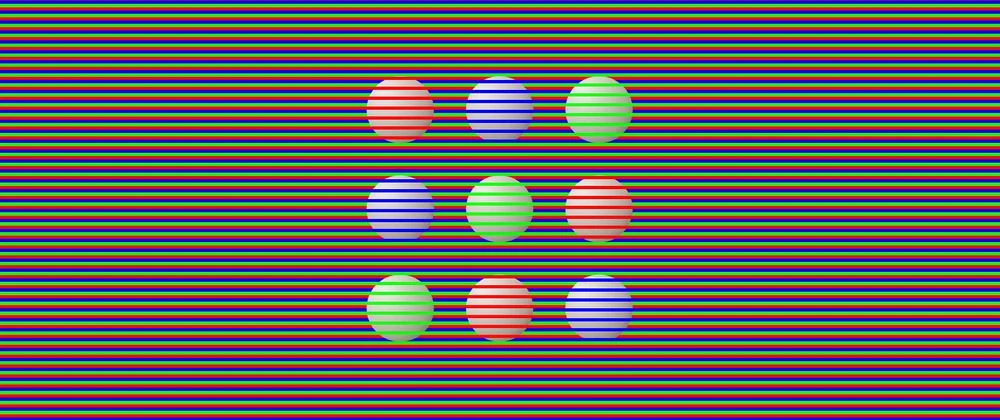
CSS Implementation of Optical Illusions: Visual Perception Effects Created with Web Technologies
This article presents a collection of 50+ optical illusions created using CSS and HTML, demonstrating how visual perception tricks can be im
 alvaromontoro.com·5mo ago
Building 3D Environments with HTML and CSS Transforms: Advanced Techniques for Lighting, Shadows and Collision Detection
A developer documents their experimental project creating a 3D environment using HTML elements and CSS transforms, featuring advanced techni
 keithclark.co.uk·10mo ago
Implementing Spring and Bounce Animations with CSS's New Linear() Timing Function
The article explores the new CSS `linear()` timing function that enables physics-based animations like springs and bounces directly in nativ
 joshwcomeau.com·8mo ago
Understanding CSS Stacking Contexts: How Elements Layer in Web Design
This article explains CSS stacking contexts - a fundamental CSS concept where elements are visually layered in three-dimensional space to cr
 Smashing Magazine·5mo ago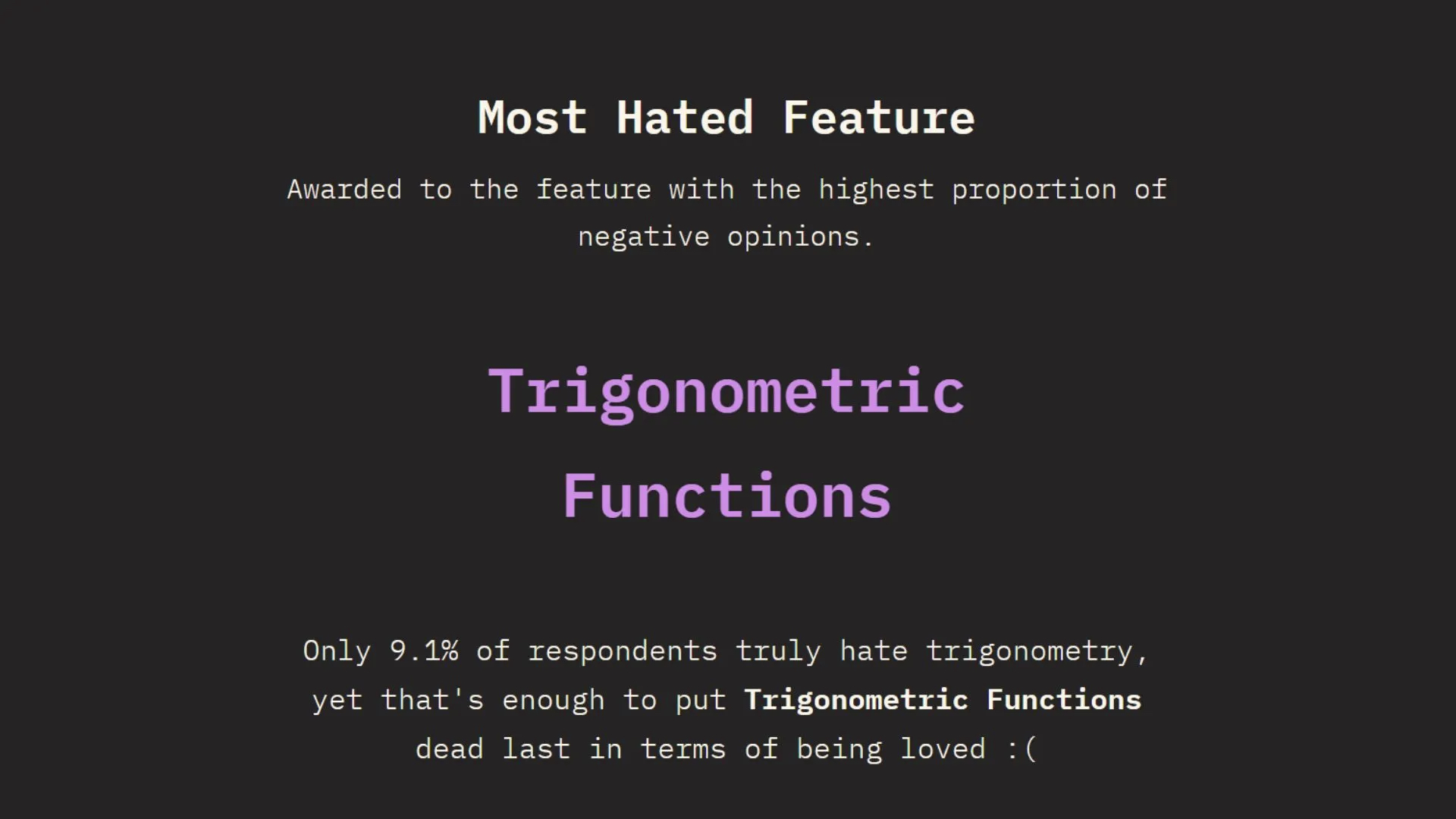
Exploring Practical Uses for CSS Trigonometric Functions: sin() and cos()
This article examines CSS trigonometric functions (sin() and cos()) that were voted as the "Most Hated Feature" in the State of CSS 2025 sur
css-tricks.com·9mo ago
CSS Technique for True Shrinkwrapping Using Anchor Positioning and Scroll-Driven Animations
The article presents an innovative CSS technique for achieving true shrinkwrapping of elements with auto-wrapped content, which was previous
Comments
Sign in to join the conversation.
No comments yet. Be the first.