
























Too Much Nitrogen Pops Open the Search for the Universe’s First Stars
JWST discovered a distant galaxy with too much nitrogen, which has led to evidence of the universe's first stars. The post Too Much Nitrogen Pops Open the Search for the Universe’s First Stars…
Read the full articleYou might also wanna read
Probing the Elements Produced by the First Stars
Imagine a universe devoid of all elements apart from hydrogen, helium, and lithium. That was the state of the Universe until the formation o


Astronomers observe young galaxy blowing away star-forming gas, explaining early 'dead' galaxies found by JWST
Astronomers have caught a young galaxy system apparently blowing away the gas it needs to keep making stars, offering a natural explanation
 astronomynow.com·28d ago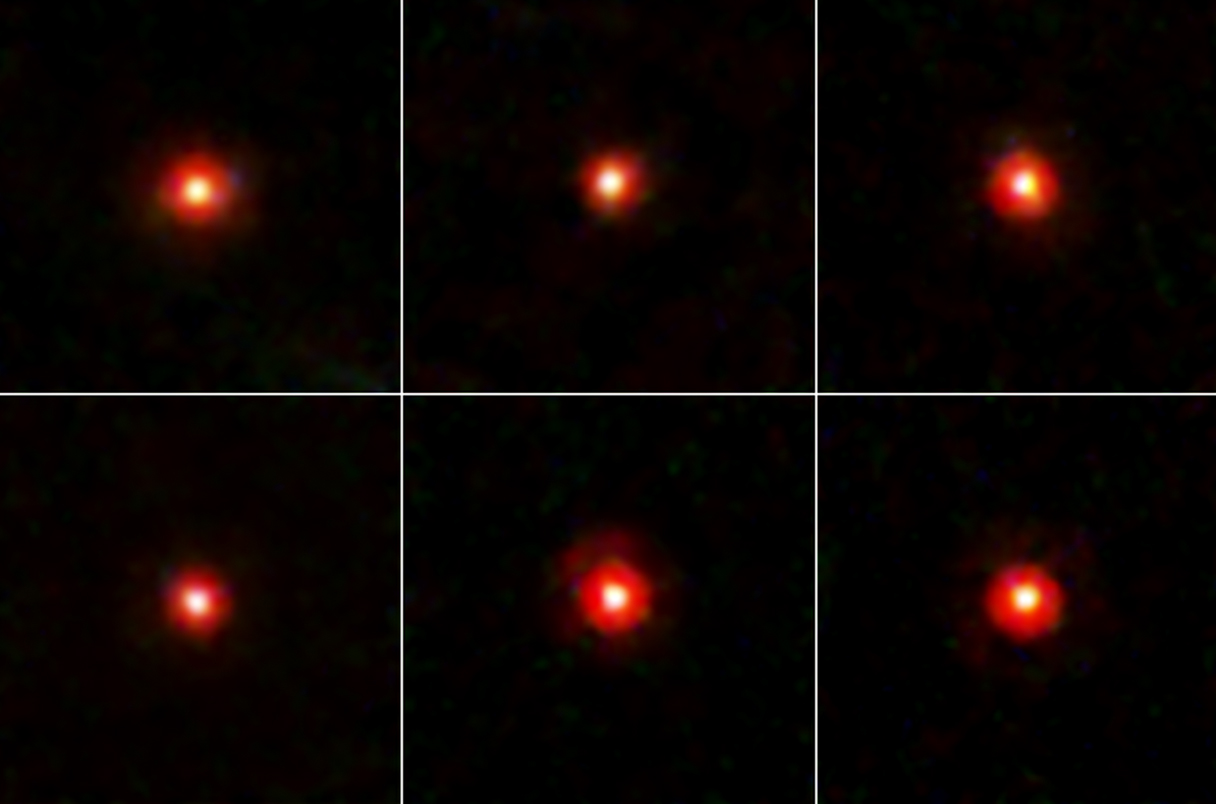
JWST Discovers Mysterious 'Little Red Dots' in Early Universe, Possibly New Celestial Objects
Puzzling objects spotted by NASA’s JWST telescope may be entirely new class of celestial entity
 science.org·11mo ago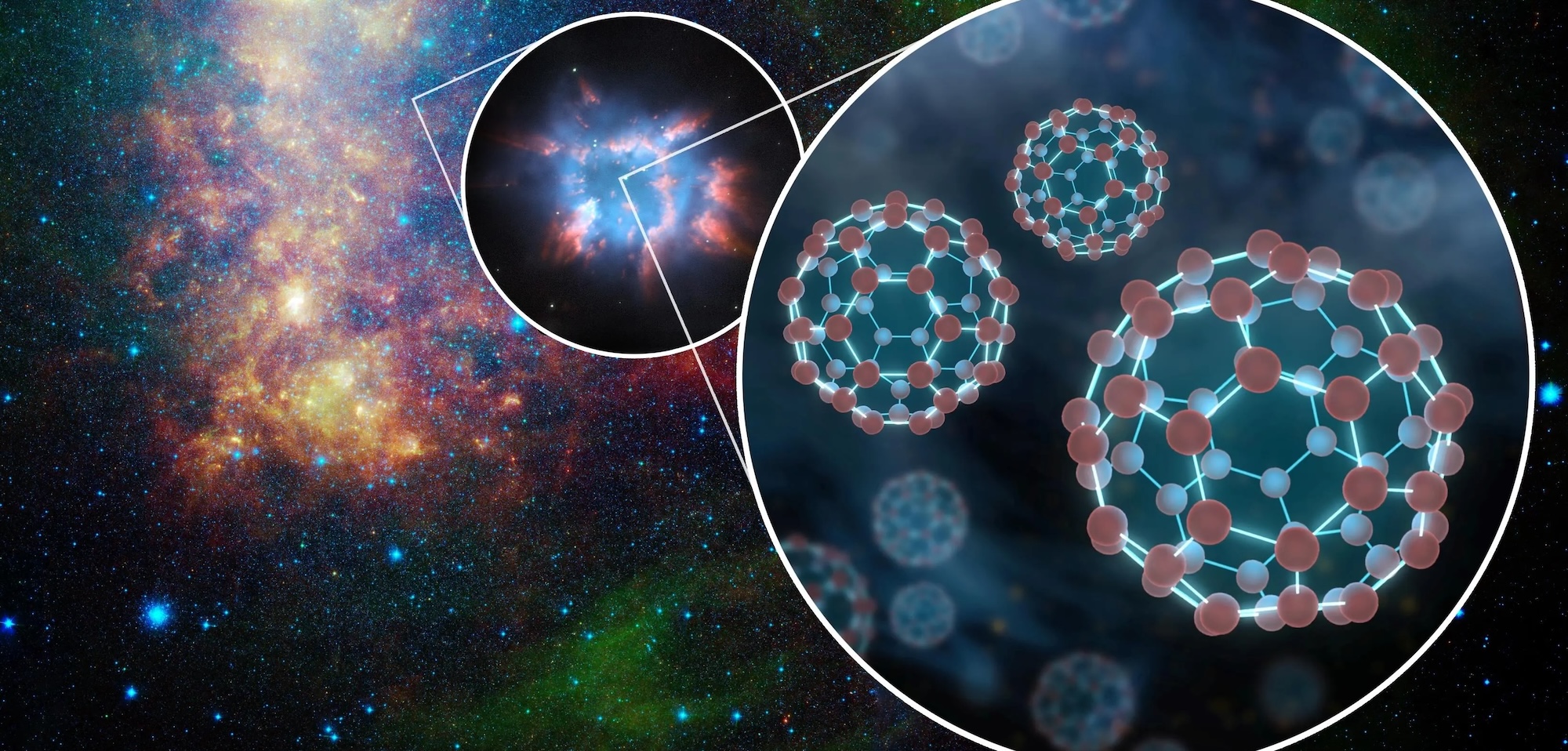
JWST Detects New Spectral Signatures of Buckyballs in Planetary Nebula Tc 1
JWST observations serendipitously revealed new emission features from fullerenes, the largest molecules definitively detected in space.
 aasnova.org·15d ago
JWST Detects New Spectral Signatures of Buckyballs in Planetary Nebula Tc 1
JWST observations serendipitously revealed new emission features from fullerenes, the largest molecules definitively detected in space.
AAS Nova·15d ago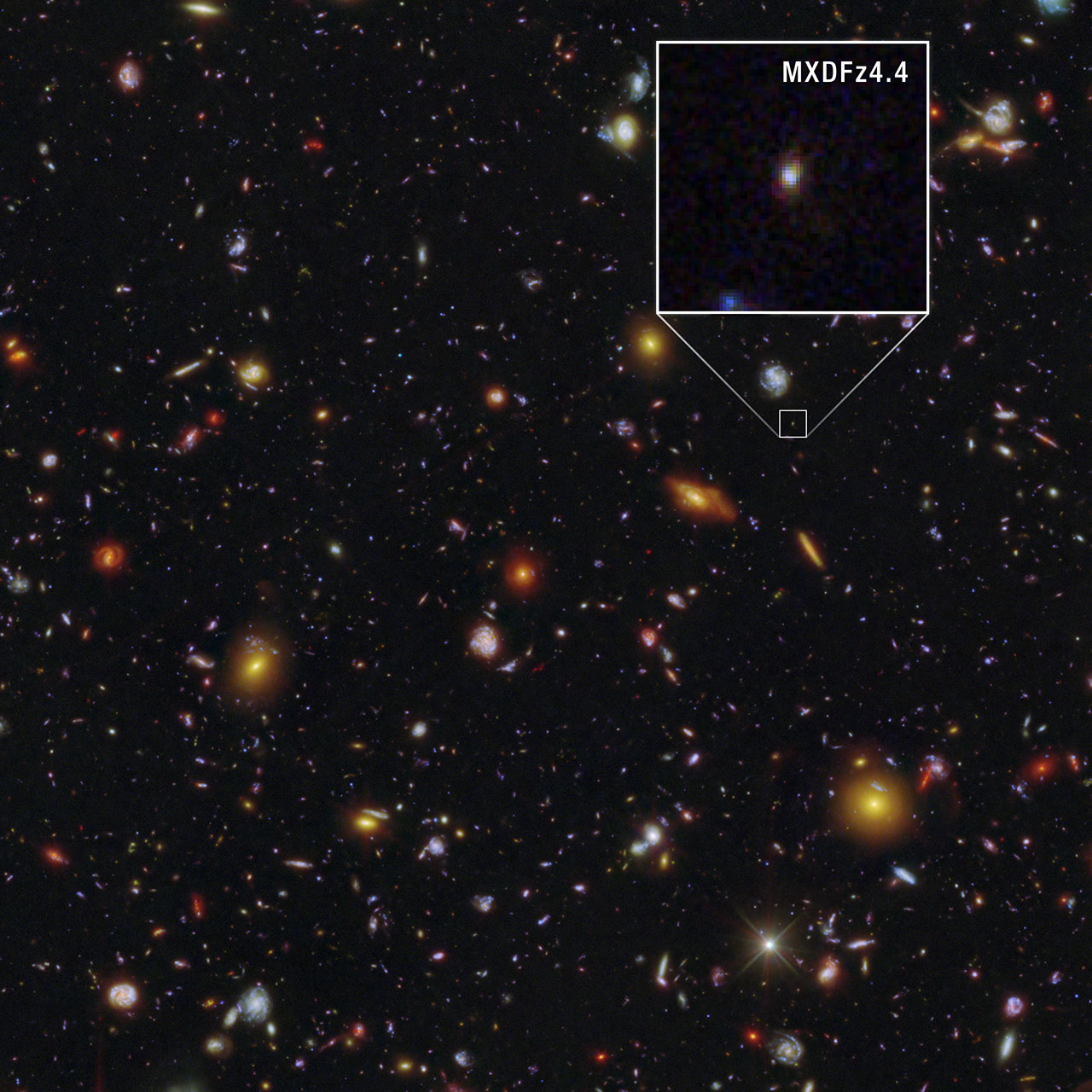
Hubble Detects Ultraviolet Light from Early Galaxy, Shedding Light on Cosmic Reionization
Astronomers using Hubble found ultraviolet light from a galaxy that existed just 1.4 billion years after the big bang.
 go.nasa.gov·16d ago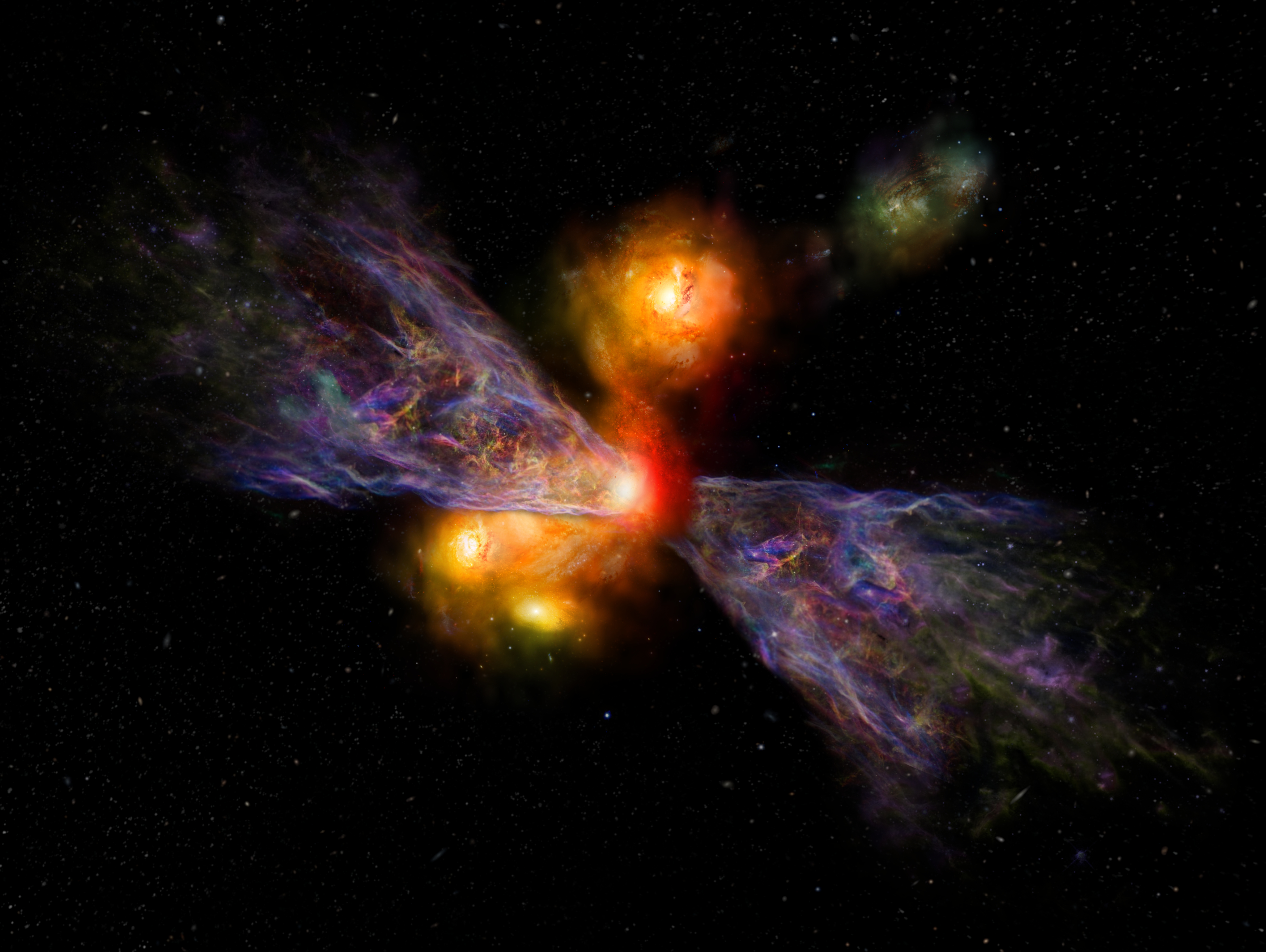
Astronomers discover galaxy-killing wind that explains early universe's dead galaxies
Astronomers have discovered a 'galaxy-killing wind' that may explain why there are far more massive 'dead' galaxies than expected in the ear
 ras.ac.uk·28d ago
Comments
Sign in to join the conversation.
No comments yet. Be the first.