
























Euclid Mission: Mapping the Universe's Expansion to Unravel Dark Energy and Dark Matter
By
UK Space Agency
Summary
The article discusses the Euclid space mission, launched in July 2023 by the European Space Agency with significant UK involvement (£37 million investment). Euclid's 6-year mission is to map the expansion of the Universe to better understand dark energy and dark matter, which together make up 96% of the Universe's mass-energy budget — a profound shift from the scientific understanding of 20-30 years ago when only ordinary matter (protons, neutrons, electrons) was thought to exist. The mission aims to address fundamental gaps in our knowledge of physics.
Source

 Twitter / XEuclid Mission: Mapping the Universe's Expansion to Unravel Dark Energy and Dark Matterorlo.uk
Key quotes
· 4 pulledUntil 20 to 30 years ago, scientists thought that the Universe was composed of ordinary matter: protons, neutrons and electrons.
Now we know that this accounts for only 4% of the Universe mass-energy budget.
The rest is composed of two mysterious components, dark energy and dark matter, which are causing the expansion of the Universe to accelerate, and which cannot be adequately explained by our current knowledge of fundamental physics.
The UK Space Agency has invested £37 million in the miss
You might also wanna read

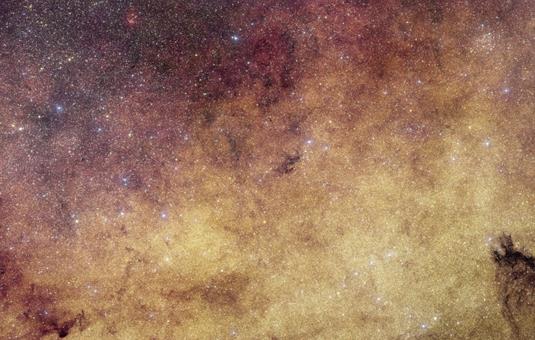
Euclid dévoile une image inédite du bulbe galactique de la Voie lactée
L'Agence spatiale européenne (ESA) a dévoilé une nouvelle image du bulbe galactique de la Voie lactée, capturée par le télescope spatial Euc
 cea.fr·5d ago
ESA's Euclid Mission Captures Highest Resolution Image of Milky Way's Galactic Center
In March 2025, the ESA's Euclid mission captured the highest resolution image ever taken of the dense, glowing center of the Milky Way galax
 Colossal·7d ago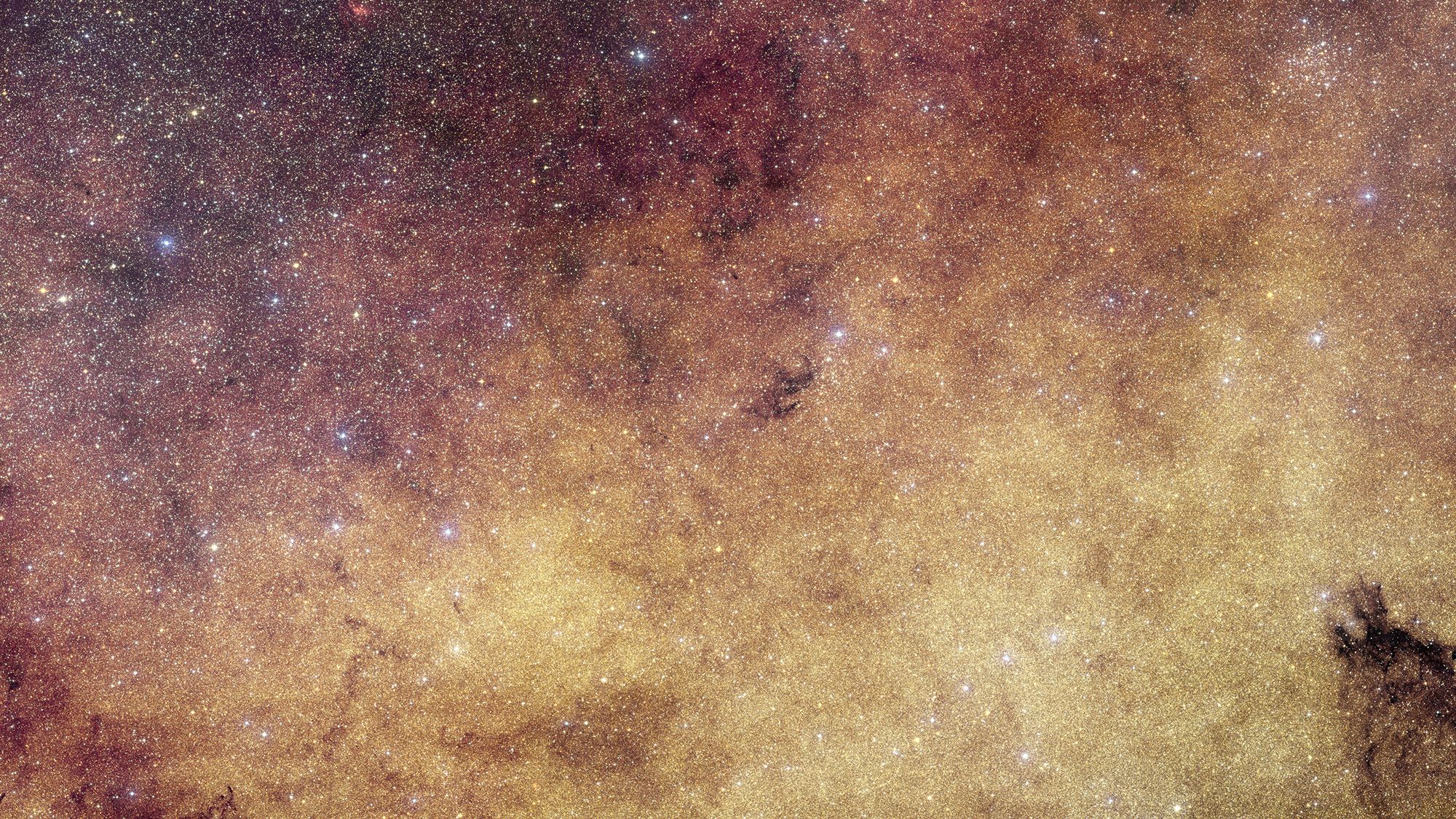
Euclid space telescope captures detailed image of Milky Way's center revealing 60 million stars
The Euclid space telescope has captured an extraordinarily detailed image of the Milky Way's center, revealing over 60 million stars. The Eu
 livescience.com·10d ago
ESA's Euclid Telescope Spots The Oldest Quasars Yet Since Big Bang
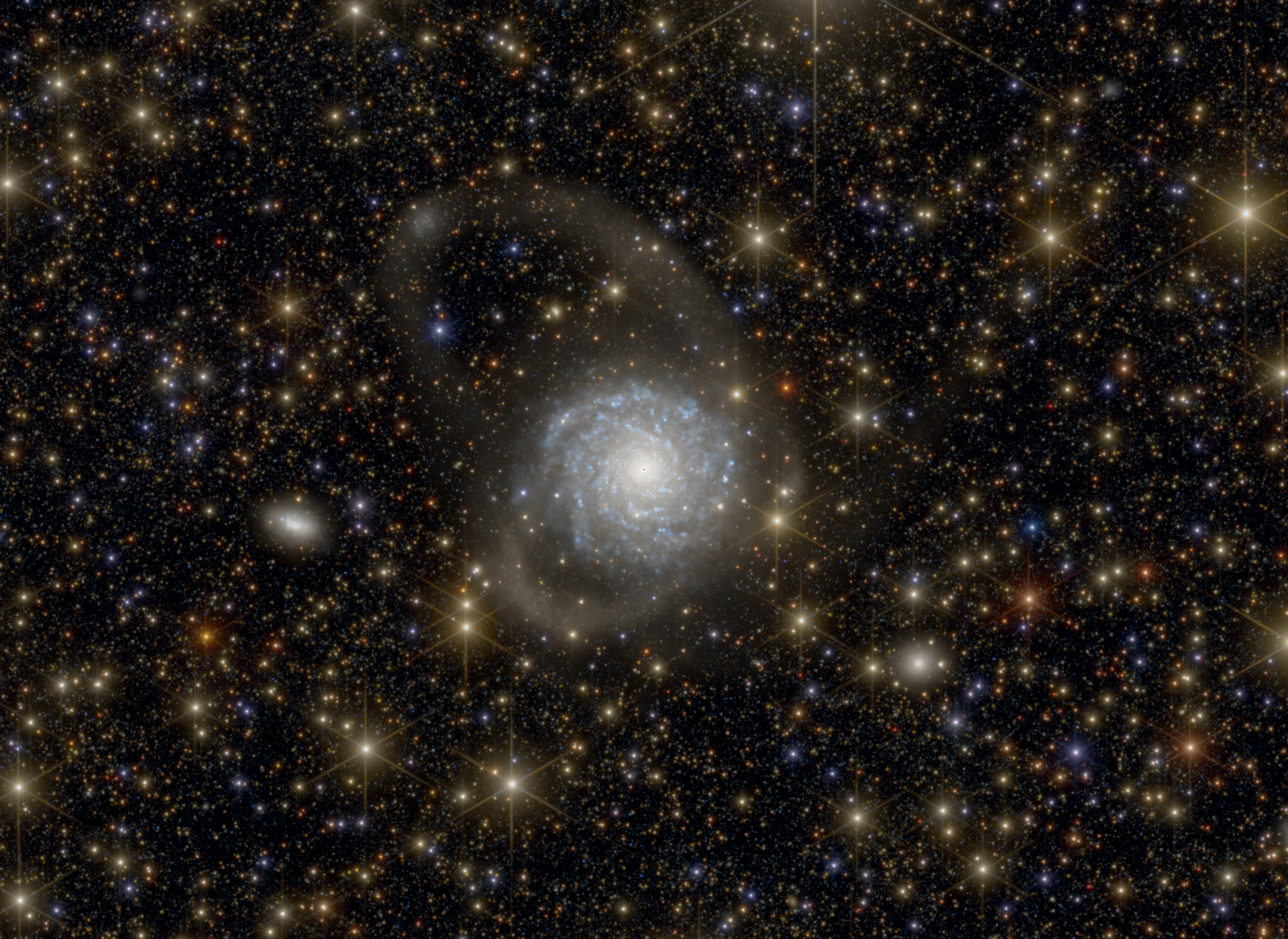
ESA adopts Arrakihs galactic archaeology mission to study galaxy formation by 2030
ESA's Science Programme Committee has officially adopted the Arrakihs mission, a galactic archaeology project planned for launch by the end
ESA adopts Arrakihs galactic archaeology mission to study galaxy formation by 2030
ESA's Science Programme Committee has officially adopted the Arrakihs mission, a galactic archaeology project planned for launch by the end

ESA’s Euclid Space Telescope Finds Universe’s Most Ancient Quasars
Comments
Sign in to join the conversation.
No comments yet. Be the first.