





















Colossal Biosciences creates artificial eggs to advance bird de-extinction efforts
By
Rob Stein

Toasted golden, schmeared with insight. Top of the rack.
Summary
Colossal Biosciences, a Texas-based de-extinction company, has developed artificial eggs as a critical step toward reviving extinct bird species like the dodo. Bioengineer Trevor Snyder demonstrates the technology using a chicken embryo housed in a custom-designed artificial egg that provides life support and monitoring capabilities. The artificial egg mimics natural conditions and allows scientists to observe embryonic development in real-time. This breakthrough addresses one of the major challenges in bird de-extinction: the need for a suitable incubation environment when no natural eggs from the extinct species exist.
Key quotes
· 2 pulledThis is a chicken embryo.
You can see the little chicken embryos moving around in there. You can see it has eyes. It has a heartbeat. It has a beak. It has feathers.
You might also wanna read

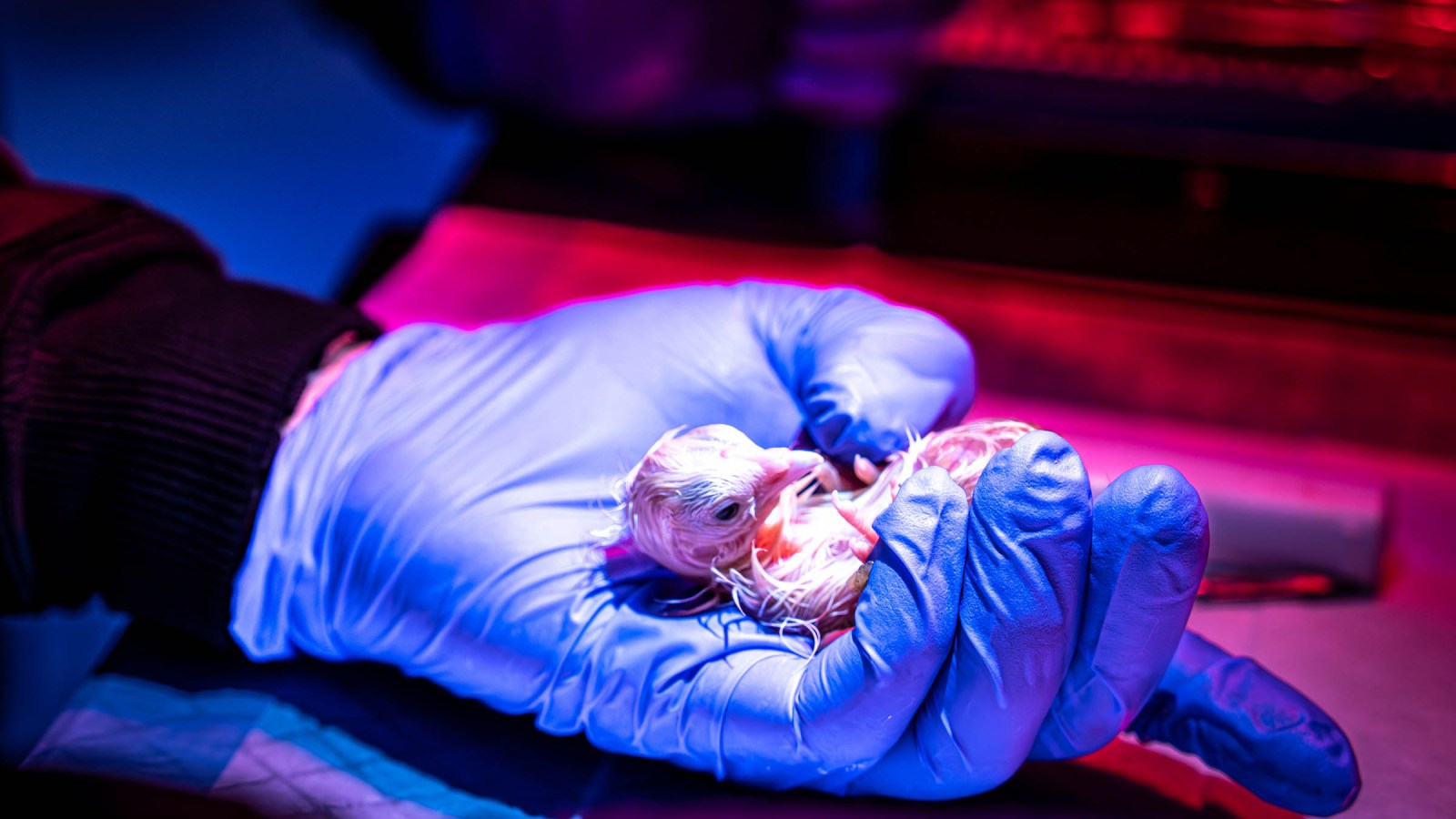
Colossal Biosciences Advances Artificial Womb Technology After Dire Wolf De-Extinction
Science start-up Colossal, known for its de-extinction efforts like bringing back dire wolves, is now pioneering artificial womb technology
 Rolling Stone·25d ago
Understanding the Reality of Male Chick Culling in the Egg Industry and the Emergence of In-Ovo Sexing Technology
The article discusses the common misconceptions about the egg industry, particularly the fate of male chicks, and introduces in-ovo sexing t
optimistsbarn.substack.com·10mo ago
DishBrain: In Vitro Neural Networks Learn and Adapt in Simulated Game Environment
Researchers have developed DishBrain, a synthetic biological intelligence platform where in vitro neural networks from human or rodent cells
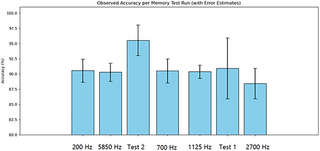
Shiitake Mushroom Mycelium Used to Create Sustainable Memristors for Neuromorphic Computing
Researchers have developed sustainable memristors using shiitake mushroom mycelium for high-frequency bioelectronics applications. The study
 journals.plos.org·7mo ago
UBCO Researchers Develop 3D-Printed Living Lung Tissue
UBCO researchers have developed a 3D bio-printed model that mimics natural lung tissue, revolutionizing the study of lung disease and treatm
news.ok.ubc.ca·11mo ago
Neural Boids: Using Small Neural Networks to Simulate Natural Flocking Behavior
The article introduces 'noids' (neural boids), which are flocking agents controlled by small neural networks instead of hand-written rules.