
























Tiny Stanford-invented chip helps blind patients read again
A tiny, wireless microchip invented by a Stanford physicist is giving blind people a chance to see and read again. The eye implant, developed by Stanford scientist Daniel Palanker, is under…
Read the full articleYou might also wanna read

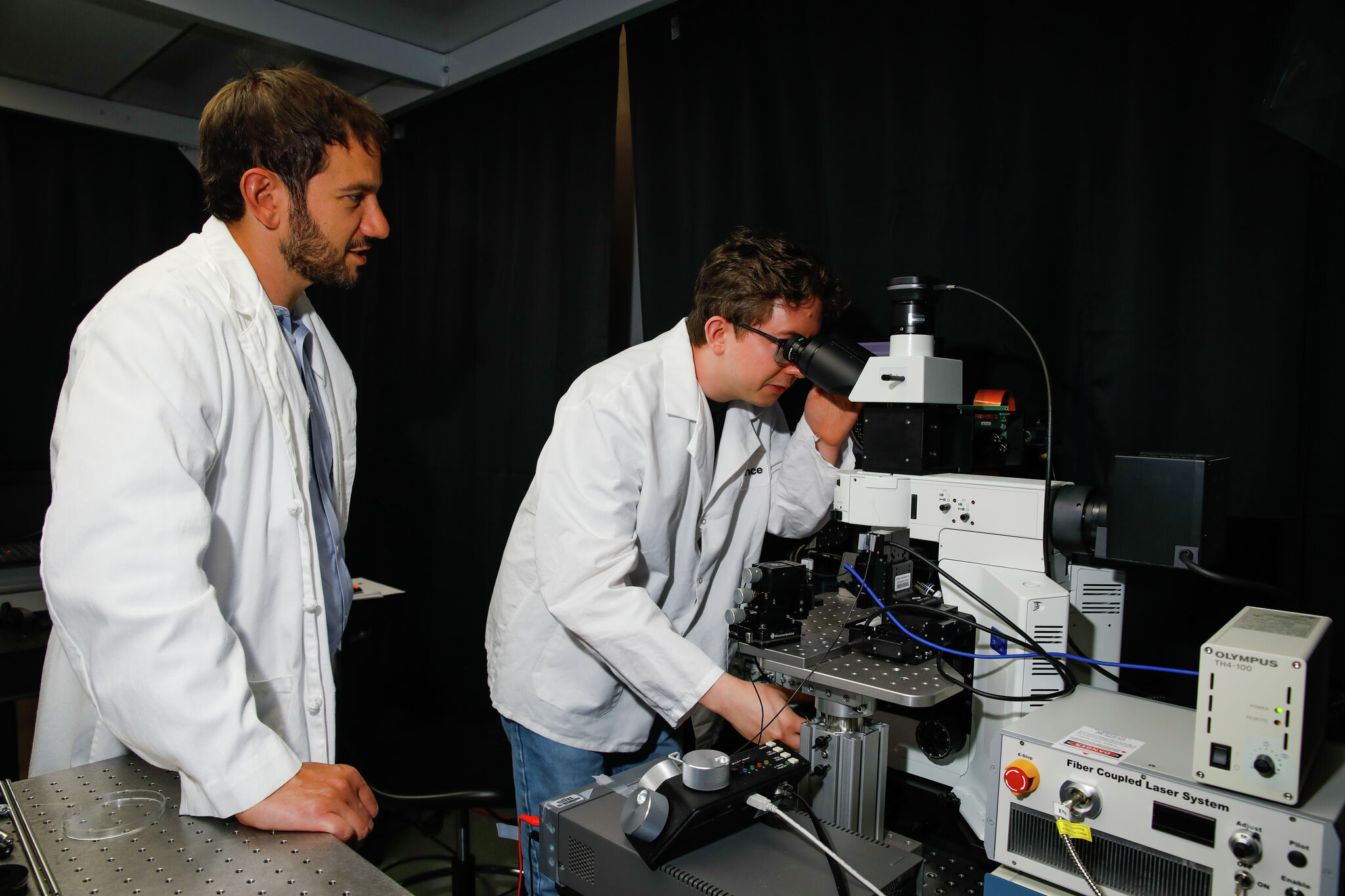
Retinal implant invented by Stanford scientist restores limited vision to blind adults with macular degeneration
A retinal implant invented by a Stanford scientist is restoring limited vision to people with advanced macular degeneration.
 sfchronicle.com·9d ago
All-Optical Chip Enables Large-Scale AI Semantic Vision Generation
Large-scale generative artificial intelligence (AI) is facing a severe computing power shortage. Although photonic computing achieves excell
 science.org·6mo ago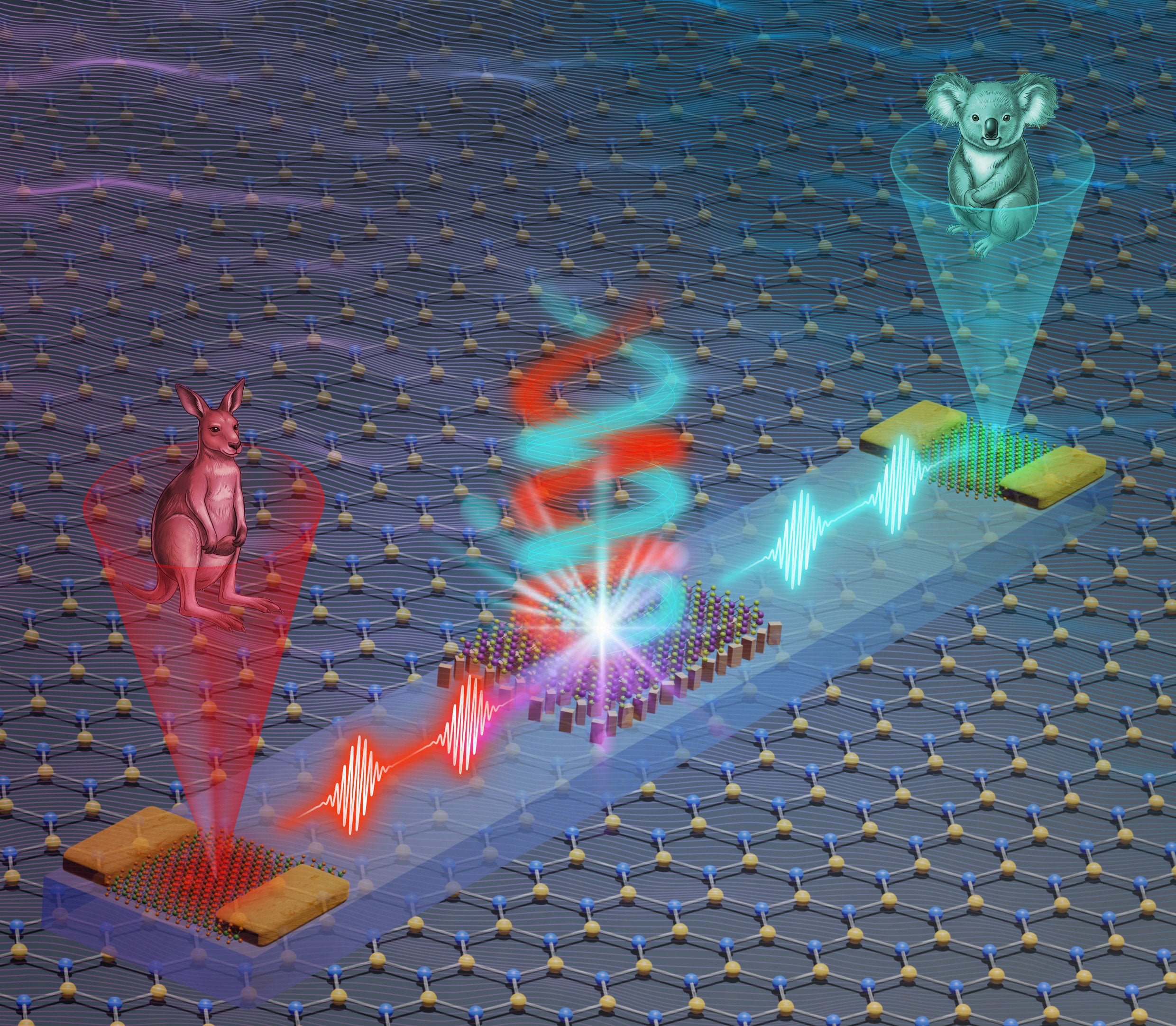
Monash University Researchers Develop Compact Photonic Chip That Processes Information Using Light
Researchers have created a compact chip that manipulates light-based quantum information with remarkable precision, advancing the developmen

Can a retinal implant reverse macular degeneration?
LOS ANGELES — Age-related macular degeneration, the leading cause of vision loss and blindness for Americans 65 and older, is a progressive

Breakthrough in Neuromorphic Photonic Computing with GHz-Scale PSNN Chip
Neuromorphic photonic computing represents a paradigm shift for next-generation machine intelligence, yet critical gaps persist in emulating
 arxiv.org·11mo ago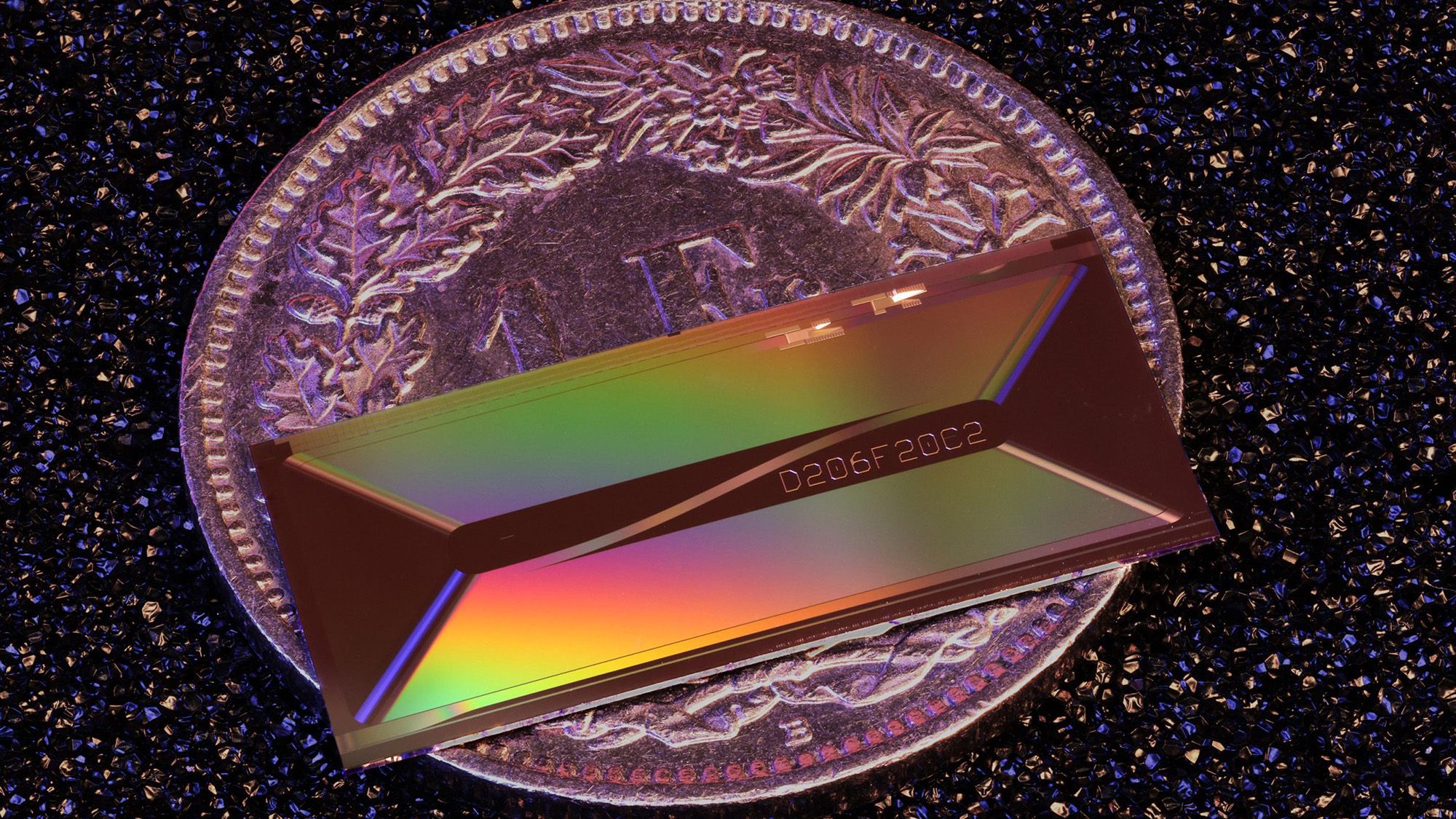
Scientists shrink ultrafast lasers onto tiny photonic chips using overlooked architecture
Scientists have managed to get ultrafast lasers running on tiny chips, paving the way for miniature-but-powerful diagnostic devices.
 livescience.com·16d ago
Scientists shrink ultrafast lasers onto tiny photonic chips using overlooked architecture
Scientists have managed to get ultrafast lasers running on tiny chips, paving the way for miniature-but-powerful diagnostic devices.
Live Science·16d ago
Comments
Sign in to join the conversation.
No comments yet. Be the first.