
























Tidally Torn: Why the Most Common Stars May Lack Large, Habitable-Zone Moons
Shaan D. Patel et al 2026 AJ 171 11 Large moons orbiting habitable-zone planets around M-dwarf stars appear to be unstable; if large moons enhance the habitability of their planets, this result has…
Read the full articleYou might also wanna read

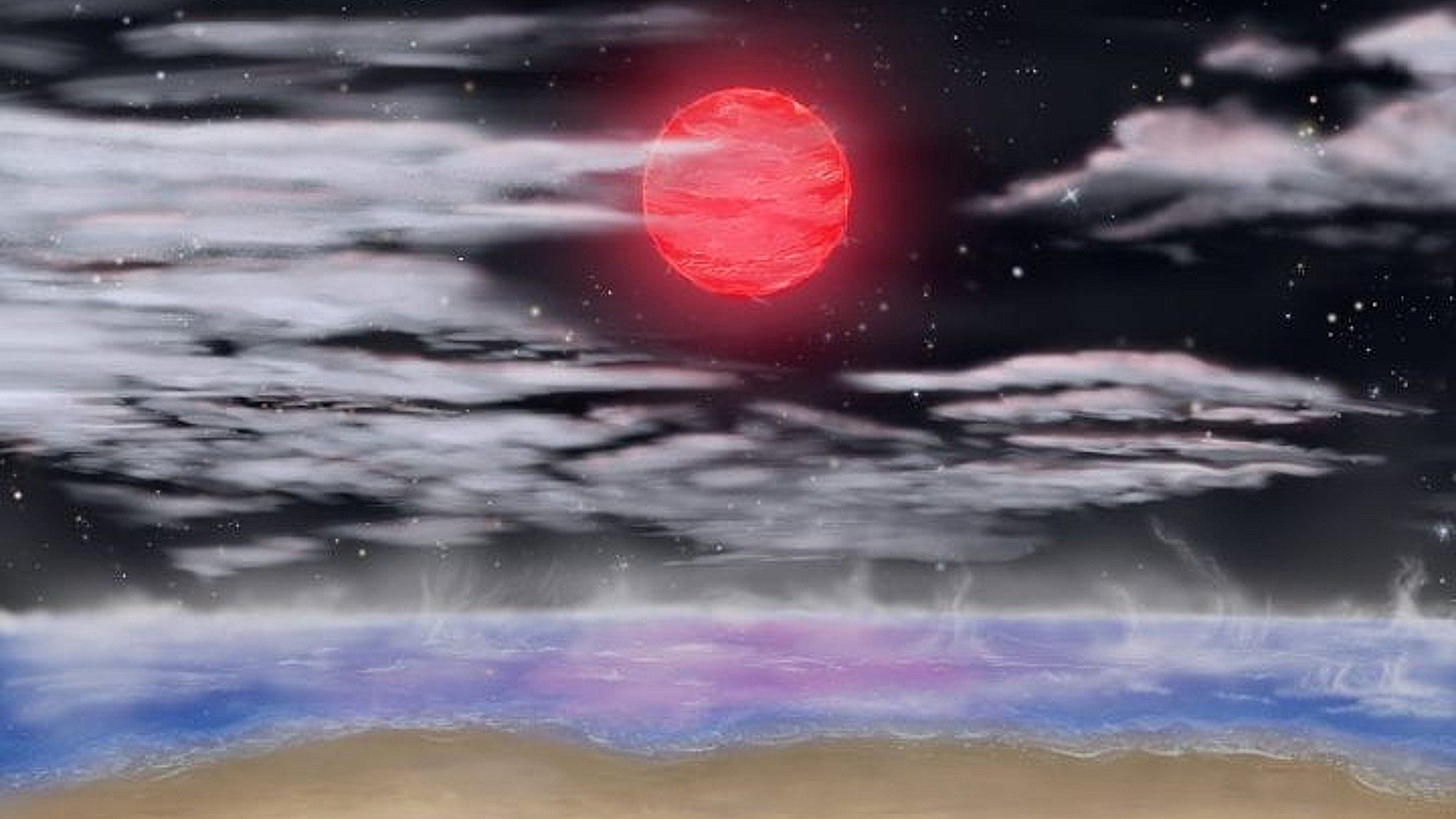
Potentially habitable rocky exoplanet GJ 3378b discovered 25 light-years away in red dwarf's habitable zone
The planet, designated GJ 3378b, orbits the faint red dwarf star in the constellation of Camelopardalis, the Giraffe.
 space.com·7d ago
Potentially habitable rocky exoplanet GJ 3378b discovered 25 light-years away in red dwarf's habitable zone
The planet, designated GJ 3378b, orbits the faint red dwarf star in the constellation of Camelopardalis, the Giraffe.
Space·7d ago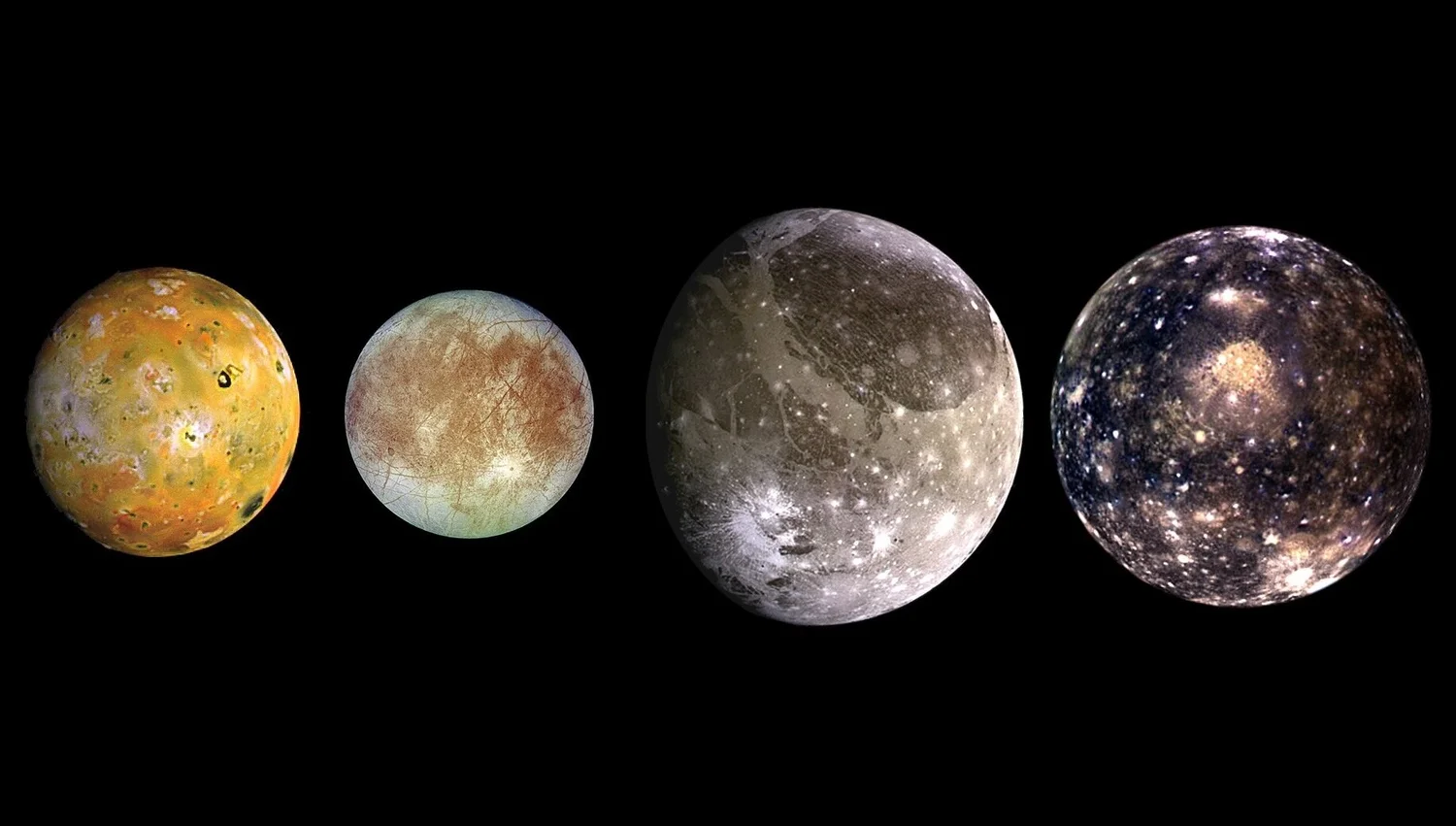
Exploring Jupiter's Galilean moons: Why Io, Europa, Ganymede, and Callisto fascinate scientists
Jupiter has 79 known moons, the four largest of which are known as the 'Galilean moons'. These four worlds are among the most fascinating in
 universal-sci.com·6d ago
Exploring Jupiter's Galilean moons: Why Io, Europa, Ganymede, and Callisto fascinate scientists
Jupiter has 79 known moons, the four largest of which are known as the 'Galilean moons'. These four worlds are among the most fascinating in
universal-sci.com·6d ago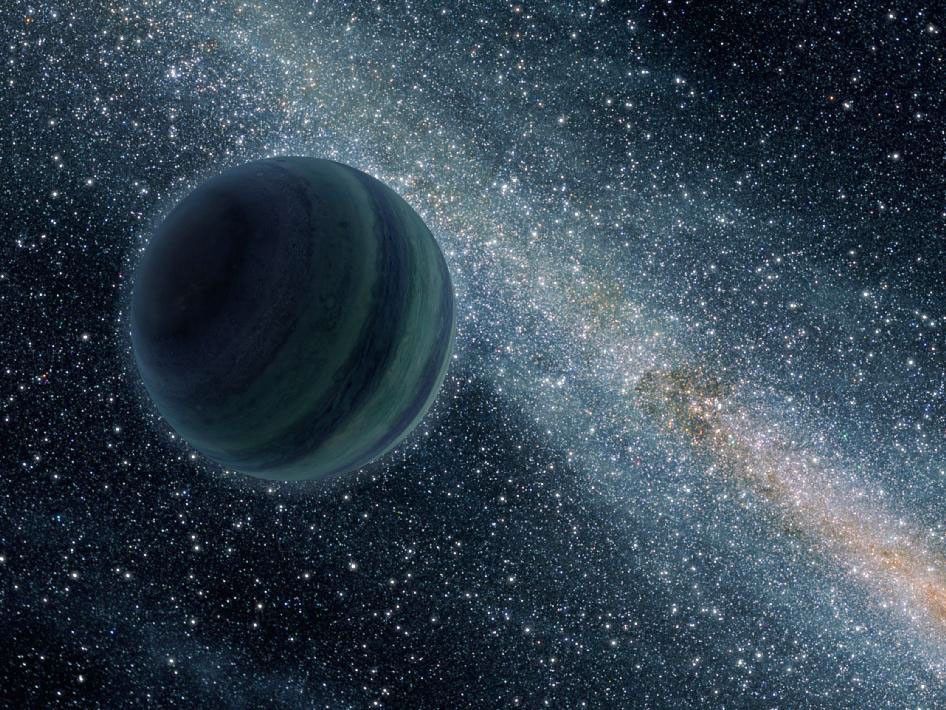
Free-Floating Neptunes May Not Be So Alone: Study Reveals Complex Planetary Family Histories
The galaxy seems to be full of free-range Neptunes, but a closer look reveals some complicated family dynamics in planetary systems.
 aasnova.org·13d ago
Free-Floating Neptunes May Not Be So Alone: Study Reveals Complex Planetary Family Histories
The galaxy seems to be full of free-range Neptunes, but a closer look reveals some complicated family dynamics in planetary systems.
AAS Nova·13d ago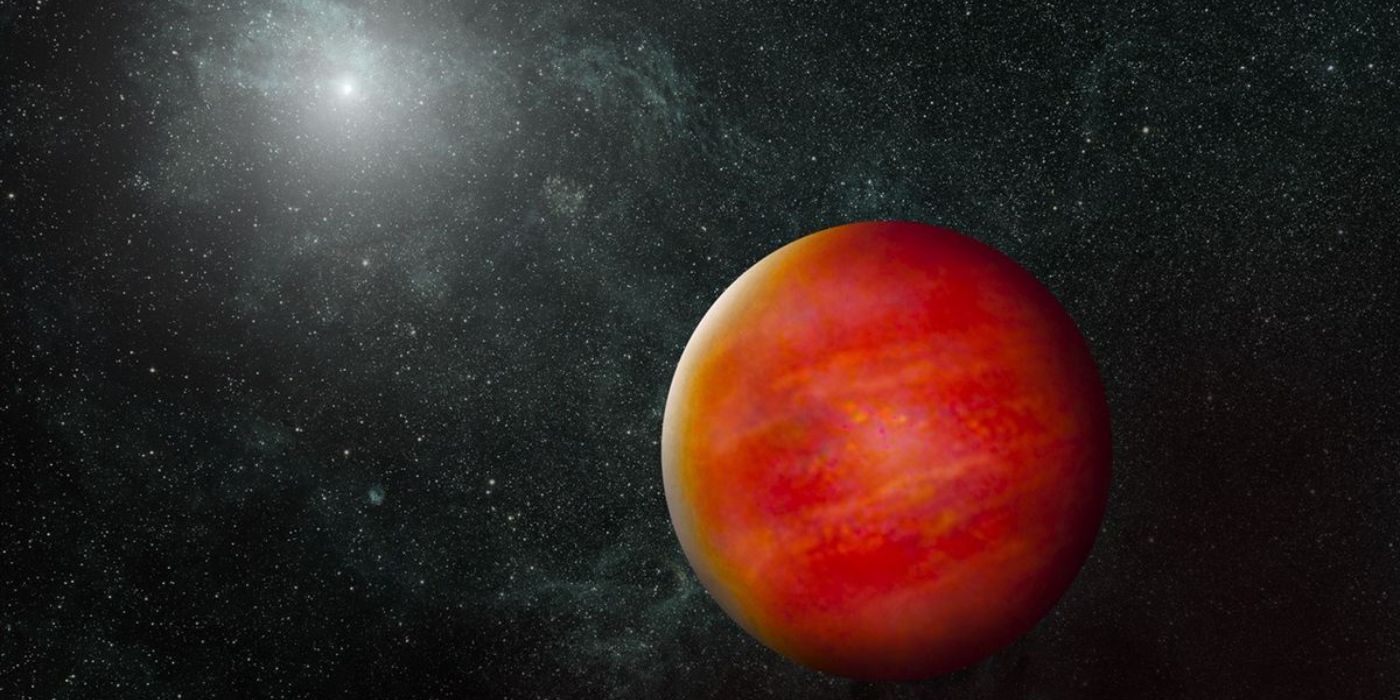
Brown Dwarfs: The Celestial Objects That Are Neither Stars Nor Planets
Astronomers have long struggled to map the objects that occupy the dim, ambiguous boundary between the lowest-mass stars and the largest gas
 seti.org·20d ago
Dinky stars don’t make giant planets, or even middle-sized giants
Low-mass red dwarfs show a paucity of mini-Neptunes. It’s not clear why.
 badastronomy.beehiiv.com·28d ago
ESO Study Warns Satellite Megaconstellations Could Cripple Ground-Based Astronomy
Astronomy is under threat like never before. A significant new study, which was conducted by astronomers from the European Southern Observat
 ispreview.co.uk·6d ago
Comments
Sign in to join the conversation.
No comments yet. Be the first.