
























‘This time, it’s the other way around’: how Indonesia is reclaiming the science of human history
Nature, Published online: 09 July 2026; doi:10.1038/d41586-026-01357-3 After a massive restructuring of its research ecosystem, Indonesia is taking the lead on its own palaeontological research.
Read the full articleYou might also wanna read


New Indonesia roadmap aims to protect Indigenous knowledge for biodiversity
JAKARTA — The Indonesian government is developing a roadmap to protect local wisdom in biodiversity conservation, a move aimed at strengthen
New Indonesia roadmap aims to protect Indigenous knowledge for biodiversity
JAKARTA — The Indonesian government is developing a roadmap to protect local wisdom in biodiversity conservation, a move aimed at strengthen

Re-setting research in jointly managed protected areas: Indigenous-led partnerships to replace parachute science
We make 10 general recommendations to foster equitable and inclusive research collaborations centred on Indigenous-led partnerships, applica
 besjournals.onlinelibrary.wiley.com·14d ago
Unique fossil record of marine mollusks helps scientists predict extinction risk—before it's too late
Scientists are increasingly worried we may be witnessing the start of the "sixth mass extinction"—the first to be caused by human activities
Paper published in Current Biology “ Population Turnover in Remote Oceania Shortly after Initial Settlement"
Paper published in Current Biology “ Population Turnover in Remote Oceania Shortly after Initial Settlement" February 28, 2018 mlee Wed, 02/

Taphonomic study suggests Komodo dragons, not Homo floresiensis, had primary access to large prey at Liang Bua
Since its discovery, Homo floresiensis—an extinct, short-statured, and small-brained hominin species from Flores, Indonesia—has often been a
 science.org·4d ago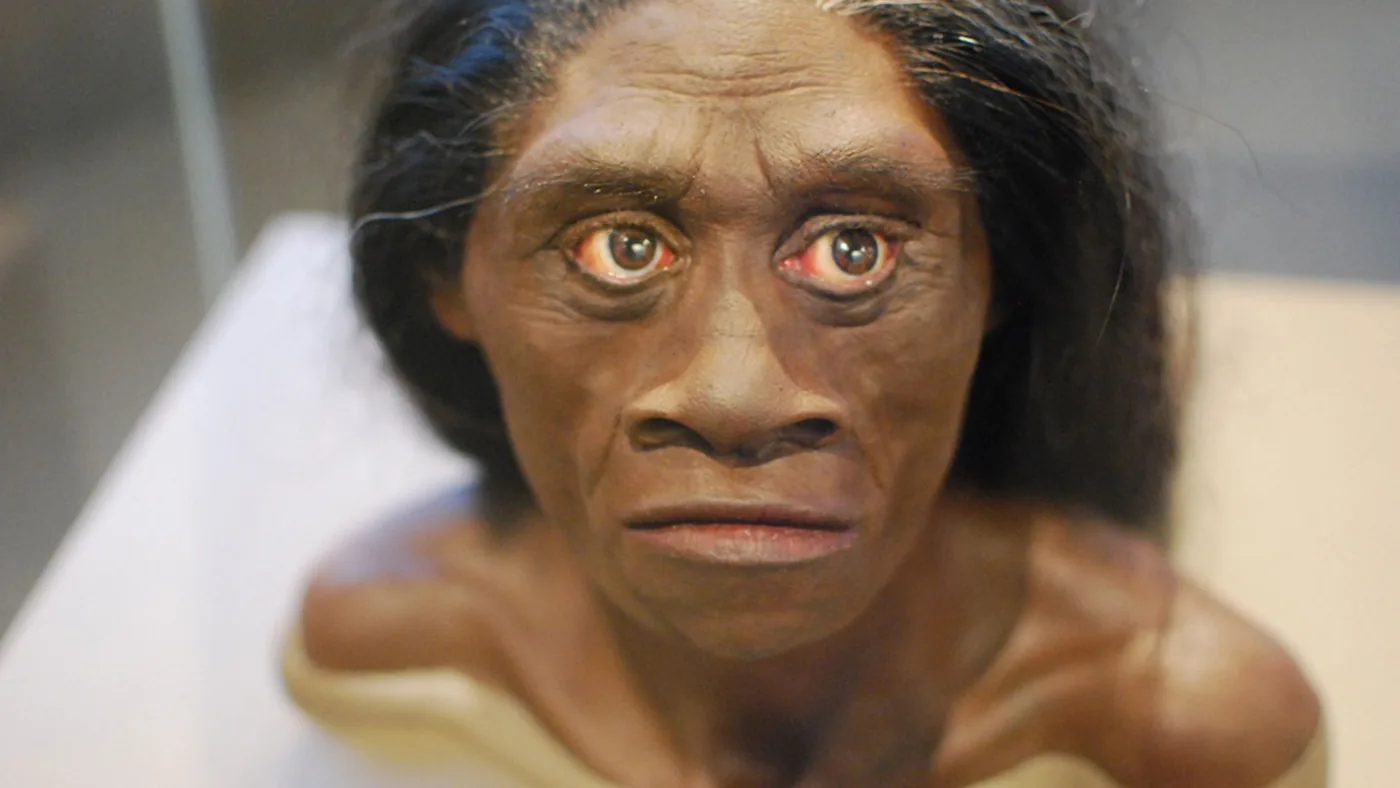
Study suggests Homo floresiensis scavenged Komodo dragon leftovers rather than hunting
Homo floresiensis may have scavenged Komodo dragon leftovers instead of hunting small elephant relatives.
 sciencenews.org·1d ago
Study suggests Homo floresiensis scavenged Komodo dragon leftovers rather than hunting
Homo floresiensis may have scavenged Komodo dragon leftovers instead of hunting small elephant relatives.
sciencenews.org·1d ago
Comments
Sign in to join the conversation.
No comments yet. Be the first.