
























Phantom energy: How unplugging idle devices can cut household costs and reduce energy waste
Leaving devices plugged in can result in phantom energy, which is the power consumed by appliances that draw electricity even when they’re turned off or not in use. These devices can be chargers…
Read the full articleYou might also wanna read

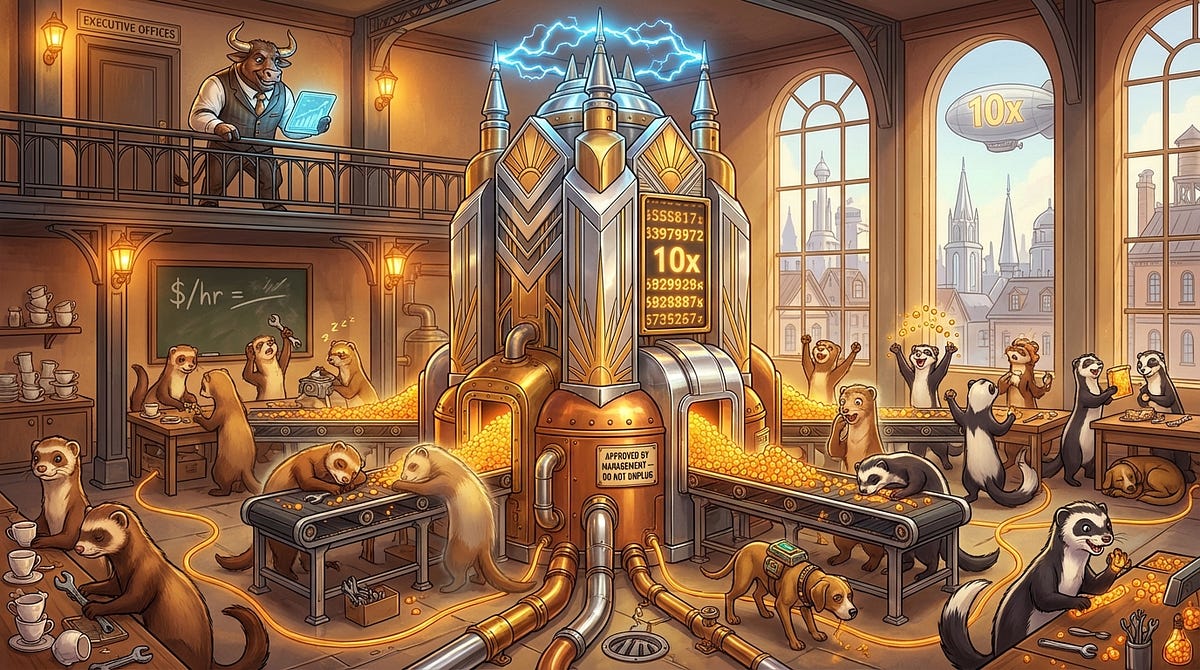
AI as an Energy Vampire: How Artificial Intelligence Drains Human Productivity
The AI Vampire This was an unusually hard post to write, because it flies in the face of everything else going on. I first started noticing
 steve-yegge.medium.com·5mo ago
AI as an Energy Vampire: How Artificial Intelligence Drains Human Productivity
The AI Vampire This was an unusually hard post to write, because it flies in the face of everything else going on. I first started noticing
steve-yegge.medium.com·5mo agoRefrigerator Electricity Consumption: Understanding Your Fridge's Energy Usage
Understanding how much electricity a refrigerator consumes is essential for managing household energy usage and reducing utility bills. Refr

Home batteries could become the next must-have household appliance
An energy expert explains how batteries can lower electric bills, keep homes running during outages, and ease pressure on an increasingly st
Home batteries could become the next must-have household appliance
An energy expert explains how batteries can lower electric bills, keep homes running during outages, and ease pressure on an increasingly st

Plug-In Legislation: Bills Defining Portable Solar Propagate Across the Country
Plug-in solar systems, also referred to as portable solar or apartment solar, are small photovoltaic systems coupled with a microinverter th

Study: Electric Vehicles with Vehicle-to-Home Technology Reduce Household Energy Costs and Battery Needs
A new Australian study has found that electric vehicles (EVs) equipped with vehicle‑to‑home (V2H) technology can significantly reduce househ
 adelaide.edu.au·3mo ago
Why cheap power could matter more than clean power in the push for net zero
The question of how important making our electricity clean is to going green is coming under increasing scrutiny
Comments
Sign in to join the conversation.
No comments yet. Be the first.