





















The history and symbolism of red foods in Juneteenth celebrations
By
Micah Smith
Summary
This article explores the history and symbolism behind traditional Juneteenth foods, particularly those that are red in color. It explains that Juneteenth commemorates June 19, 1865, when enslaved African Americans in Galveston, Texas learned of their freedom. The article highlights how foods like barbecue, red velvet cake, Kool-Aid, and watermelon are central to Juneteenth celebrations, with the color red symbolizing resilience, sacrifice, and the bloodshed of ancestors. Denver is noted as hosting one of the largest Juneteenth celebrations in the U.S., with food vendors playing a major role.
Source

 Twitter / XThe history and symbolism of red foods in Juneteenth celebrationstinyurl.com
Key quotes
· 3 pulledThe Soul Food Scholar breaks down the history of Juneteenth eats with Denver7's Micah Smith
Juneteenth is a celebration of June 19, 1865, the day Union Army troops arrived in Galveston, Texas and informed enslaved African Americans that they were finally free
From barbecue to red velvet cake, kool aid, and watermelon, the foods traditionally eaten on Juneteenth all have one trait in common: the color red.
You might also wanna read


Black Freedom: A Visual History of Juneteenth and Emancipation Day Celebrations
A visual history of Juneteenth and other Emancipation Day celebrations, exploring how Black communities have gathered for over 150 years to
 shop.mrwelltravelled.com·17d ago
Annette Gordon-Reed Examines Juneteenth's Historical Roots and National Significance
Author Annette Gordon-Reed reflects on celebrating Juneteenth in Texas, offering a historical primer on the conditions that made Juneteenth
 texasobserver.org·1d ago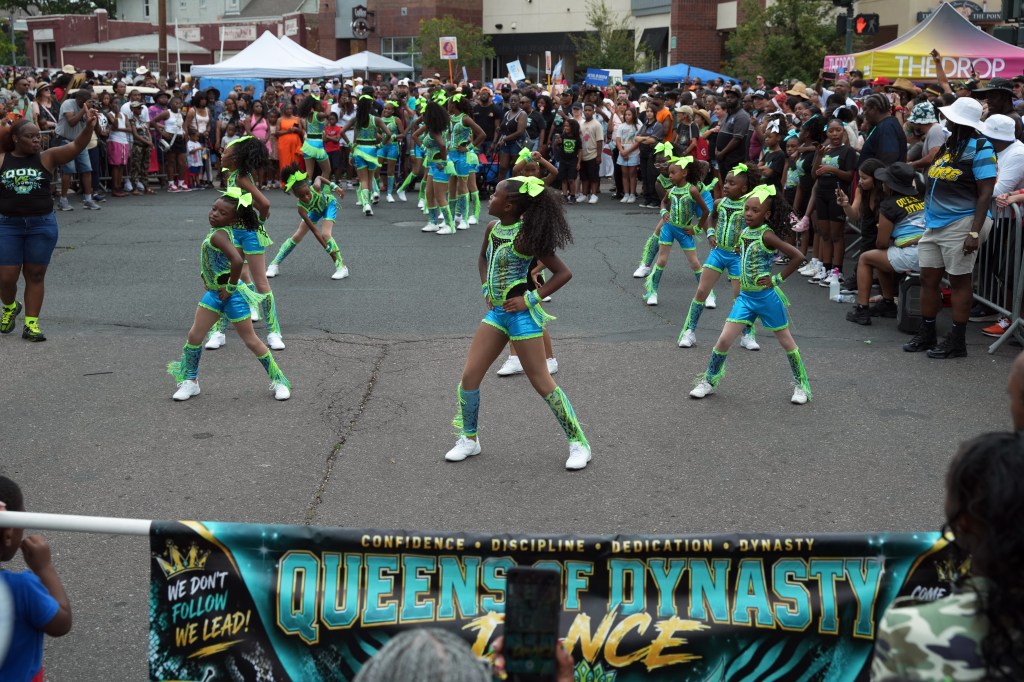
Juneteenth Music Festival and Parade in Denver: June 20, 2026 Photo Gallery
A photo gallery showcasing the Juneteenth Music Festival and Parade held in Denver on June 20, 2026. The event is a long-standing Denver tra
 denverpost.com·10h ago
Juneteenth as a Reminder That Progress Toward Liberation Requires Discomfort and Persistence
Rep. LaMonica McIver writes about Juneteenth as a reminder that progress toward liberation is never absolute or linear. Drawing on historica
 Rolling Stone·1d ago
/https://tf-cmsv2-smithsonianmag-media.s3.amazonaws.com/filer_public/c2/60/c260cccc-084b-453b-a6f9-ca82bb0f0255/opener_-_michaeltwitty_0045.)
How Mary Randolph's 1824 Cookbook Created American Regional Cuisine by Blending Enslaved Cooks' Traditions with European and Indigenous Influences
This article explores how Mary Randolph's 1824 cookbook, "The Virginia House-Wife," fundamentally shaped American regional cuisine, particul
 smithsonianmag.com·5d ago