
























Why NASA Retired the Space Shuttle: High Costs, Safety Issues, and Unmet Goals
By
Bob Sharp
Summary
The article examines why NASA retired the Space Shuttle program after 30 years, despite its innovative concept. It outlines the Shuttle's original goals: making spaceflight routine and affordable through reusability, and enabling large-scale space construction. However, the program failed to deliver on these promises. The Shuttle was far more expensive than expected (costing $1.5 billion per launch versus the projected $10-20 million), took months to refurbish between flights instead of weeks, and suffered from two catastrophic accidents (Challenger in 1986 and Columbia in 2003) that killed 14 astronauts. The article notes that the Shuttle's design was a compromise between military and NASA requirements, and that the solid rocket boosters were inherently dangerous. Ultimately, the program was canceled because it was too costly, too dangerous, and failed to achieve its goal of making space access routine and affordable.
Source
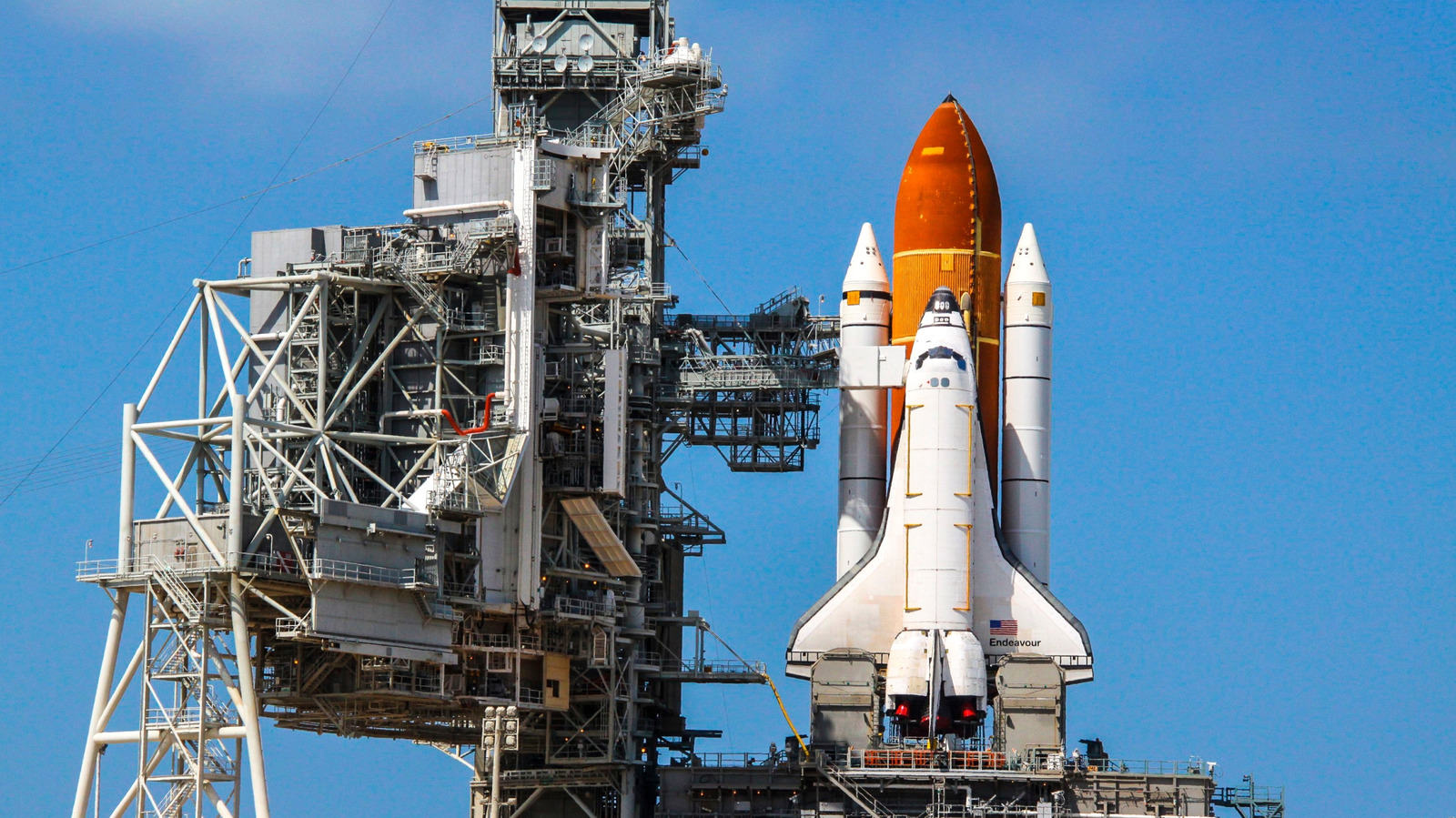
 bskyWhy NASA Retired the Space Shuttle: High Costs, Safety Issues, and Unmet Goalsslashgear.com
Key quotes
· 5 pulledThe Space Shuttle was NASA's primary manned launch vehicle for three decades from its first flight in 1981 until its retirement in 2011.
The Shuttle was supposed to make spaceflight routine and affordable, but it never did.
The Shuttle cost $1.5 billion per launch, far more than the $10-20 million per launch that was originally projected.
The Shuttle was a compromise between the needs of the Air Force and NASA, and that compromise led to a vehicle that was not optimal for either.
The Shuttle was a great idea in concept, but flawed execution led to its demise.
You might also wanna read

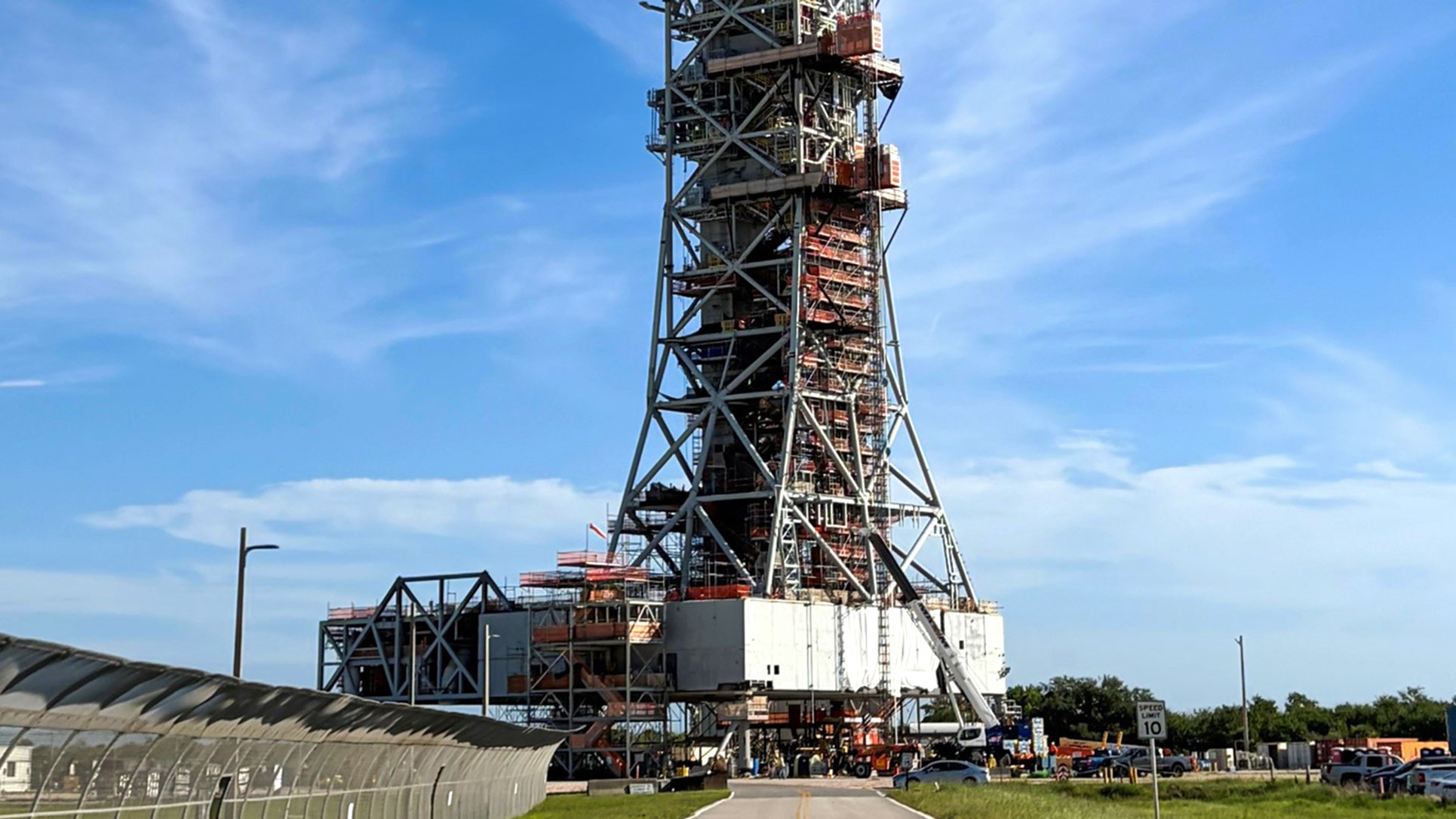
NASA OIG: Artemis Campaign Restructuring Led to $5.9B in Terminated or Repurposed Systems with Multi-Year Delays
NASA's reformulation of the Artemis campaign led to the termination or repurposing of key systems including the Exploration Upper Stage, Uni
 oig.nasa.gov·11h ago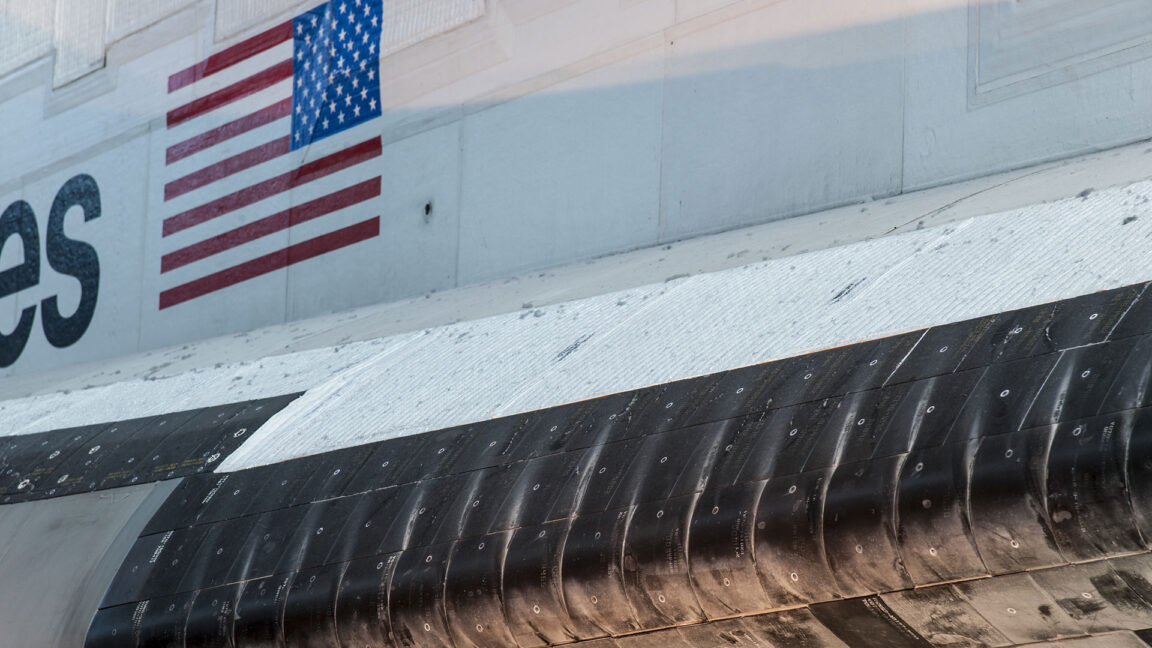
Texas Lawmakers Demand Probe Into Smithsonian's Space Shuttle Dispute
Texas politicians are urging an investigation into the Smithsonian's alleged objections to relocating a space shuttle it has owned for over
 arstechnica.com·10mo ago
The mission is risky, daring and unprecedented: save an ageing NASA satellite from an impending fiery death
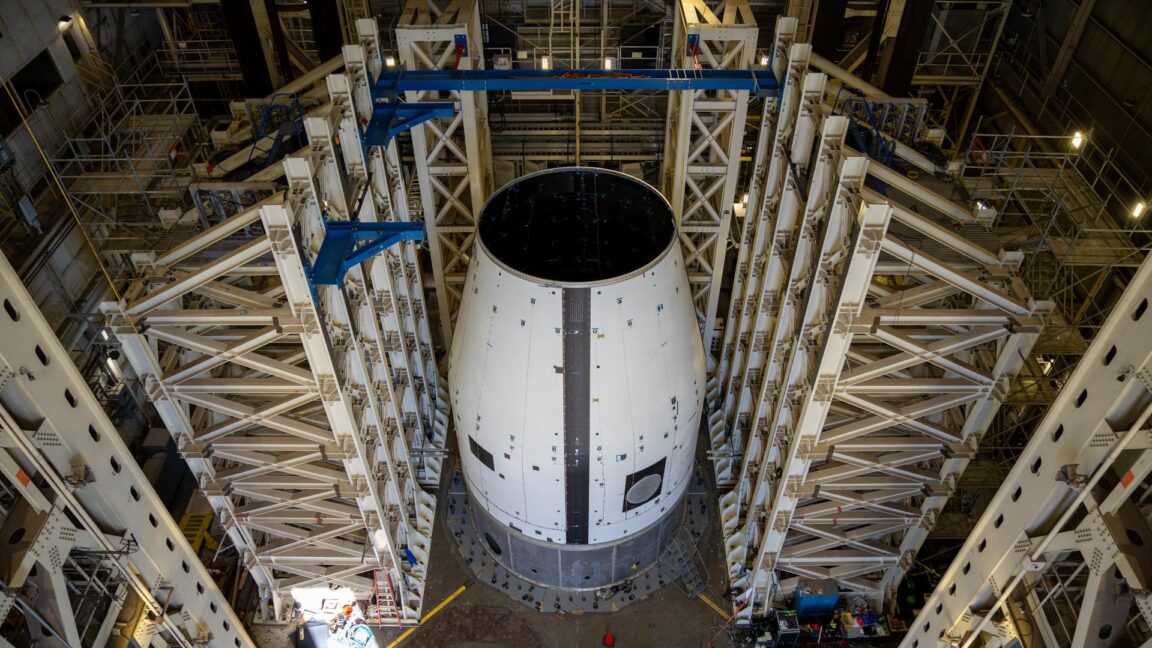
NASA report: $500 million stage adapter and ballooning costs justify Artemis program cancellations
A NASA report reveals that a stage adapter for the Artemis program cost $500 million and took 13 years to develop, with contract values ball
arstechnica.com·6h ago
NASA's Lost Opportunity: The Story of Rotating Wheel Space Stations
NASA had viable designs for rotating wheel space stations in 1962 that could have provided artificial gravity to astronauts, but the Apollo
angadh.com·11mo ago
NASA and Katalyst Space Technologies race to rescue $500 million satellite mission in under a year
NASA asked three companies if they could build and launch a satellite in under a year to rescue a $500 million astronomy mission at risk of
arstechnica.com·5d agoComments
Sign in to join the conversation.
No comments yet. Be the first.