
























Thelonious Monk: How the Jazz Icon's Unconventional Piano Style Reflected Black America
By
Carvell Wallace
Summary
A profile of jazz pianist and bebop originator Thelonious Monk, focusing on his 1964 Time magazine cover appearance as a milestone for a black artist who spent most of his career in obscurity despite his virtuosity. The piece explores how Monk's unconventional, off-tempo piano style cracked open the instrument's traditional boundaries and reflected the experience of being black in America.
Source

 Twitter / XThelonious Monk: How the Jazz Icon's Unconventional Piano Style Reflected Black Americapitchfork.com
Key quotes
· 3 pulledIn 1964, Thelonious Sphere Monk appeared on the cover of Time magazine. It was a remarkable achievement for a middle-aged black man who had been broke just a decade before.
Despite the fact that the virtuosic pianist and bebop originator's compositions were beginning to be studied by jazz and classical musicians alike, most of his nearly 15-year career had been spent in relative obscurity.
The Time cover seemed to mark the end of all that. Churchill had been on the cover of Time.
You might also wanna read


Zoh Amba: The Saxophonist Forging a Raw, Transcendent Jazz Sound
Profile of saxophonist Zoh Amba, who developed a raw, intense style inspired by jazz greats like Albert Ayler and Charlie Parker through You
Pitchfork·22d ago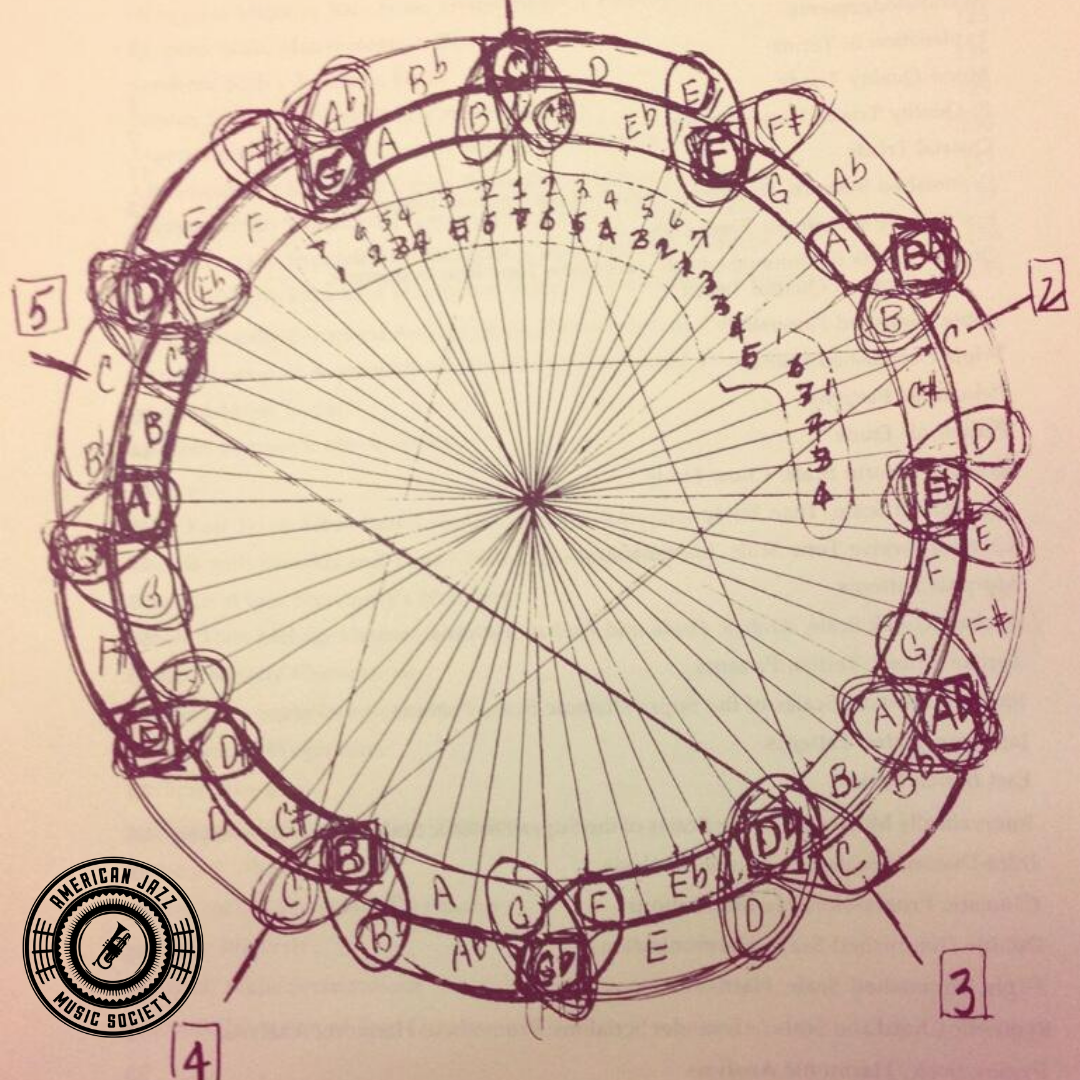
The Mathematical Connections Between John Coltrane's Jazz and Physics
The article explores the connections between physics and jazz through physicist and saxophonist Stephon Alexander's work, particularly his b
 americanjazzmusicsociety.com·2mo ago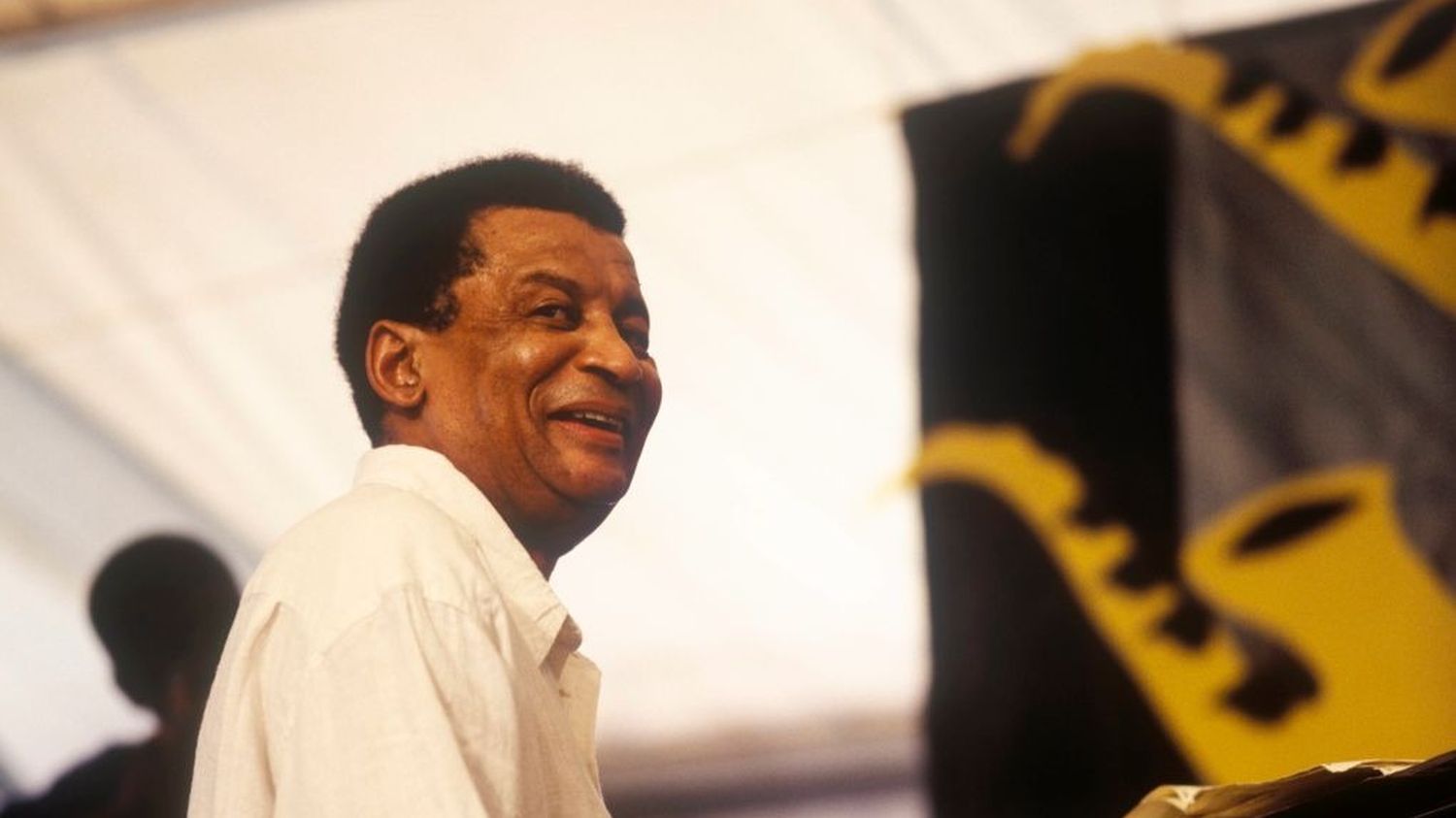
Le pianiste de jazz sud-africain Abdullah Ibrahim meurt à 91 ans
Le pianiste et compositeur sud-africain Abdullah Ibrahim (né Adolph Johannes Brand, connu sous le nom de Dollar Brand) est décédé à l'âge de
 franceinfo.fr·15d ago
Exploring the Visual and Thematic Legacy of Black Sabbath's Early Albums
The article explores the visual and thematic elements of Black Sabbath's first four studio albums, which were pivotal in shaping the heavy m
 fontsinuse.com·10mo ago
Jazz's overlooked role in Blaxploitation cinema: How Grant Green and Herbie Hancock scored militant films
This article is part of the "Sounds Of Blaxploitation" series by Craig D. Lindsey, exploring the role of music in Blaxploitation films. Whil
 The A.V. Club·14d ago
How a 1960s Study Revealed That Great Artists Find Problems, Not Just Solve Them
This article explores a groundbreaking 1960s study by psychologist Mihaly Csikszentmihalyi that examined how art students approach creative
 The MIT Press Reader·2mo ago
Comments
Sign in to join the conversation.
No comments yet. Be the first.