
























Moving Beyond "Fun": Celia Hodent's Engageability Framework for Game Design
By
Laia Tremosa, Caitlin Snethlage
Summary
Celia Hodent introduces her "engageability" framework as a solution to the common problem of teams arguing over whether a game mechanic is "fun" without a shared definition. The article argues that "fun" is subjective and ambiguous, leading to unproductive design reviews. Instead, Hodent's framework focuses on three measurable pillars — motivation, emotion, and flow — to help game development teams objectively evaluate and improve player engagement. The piece offers a practical, psychology-grounded approach to replacing vague "fun" debates with actionable design criteria.
Source

 Interaction Design FoundationMoving Beyond "Fun": Celia Hodent's Engageability Framework for Game Designixdf.org
Key quotes
· 3 pulledThe problem isn't the mechanic. The problem is the word.
"Fun" means something different to every person in that room, and no amount of discussion will bridge that gap because you're all arguing from different definitions.
The teams that solve engagement problems fastest are the ones that stop guessing and start measuring.
You might also wanna read


Gamification 2.0: Moving Beyond Points and Badges to Genuine Game Design for Player Engagement
This article introduces "Gamification 2.0," a paradigm shift away from superficial reward systems (points, badges, leaderboards) toward genu

Gamification 2.0: A Genre-Based Framework for Designing Around Players, Not Metrics
This article argues that gamification design is fundamentally flawed because it treats "game psychology" as a monolith. The author introduce

Gamification 2.0: A Developer's Framework for Player-Centric Design Beyond Points and Badges
This article presents a practical framework for implementing "Gamification 2.0," moving beyond superficial points-and-badges mechanics towar
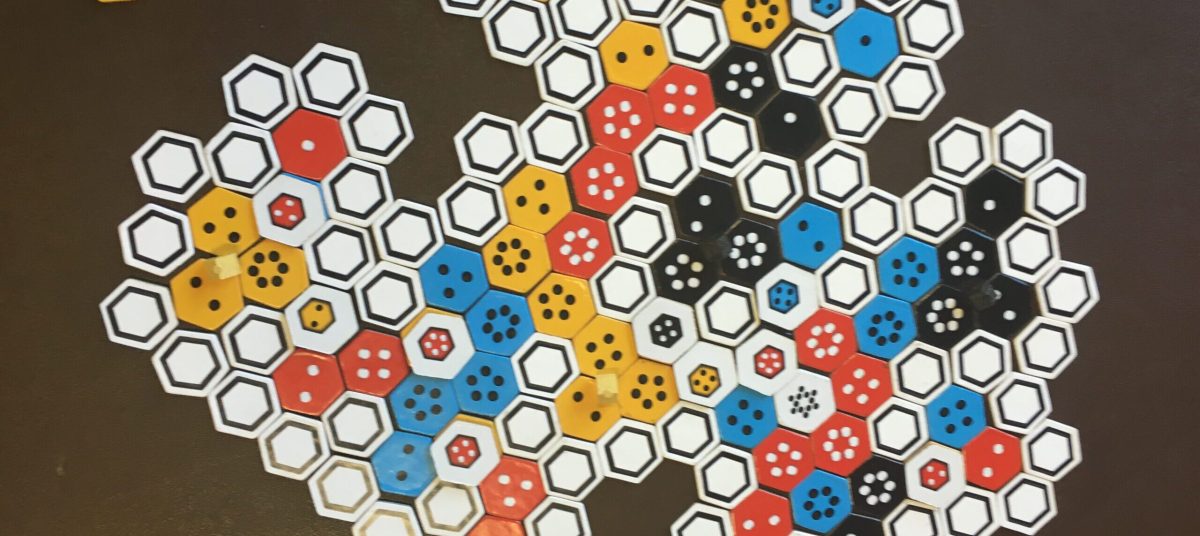
A 12-Step Framework for Understanding Game Design Principles
This article presents a comprehensive 12-step framework for understanding game design, beginning with an examination of 'fun' as mastery of
 raphkoster.com·8mo ago
Gamification 2.0: Designing for Intrinsic Motivation, Not Points and Badges
This article argues that gamification has failed because it focuses on extrinsic rewards (points, badges, leaderboards) rather than intrinsi
Comments
Sign in to join the conversation.
No comments yet. Be the first.