
























How armed conflict drives measles resurgence through disrupted immunization and surveillance
By
José E. Hagan
Summary
This Perspective article by José Hagan examines the well-established link between armed conflict and measles resurgence. It explains how war disrupts routine immunization programs, weakens disease surveillance systems, and undermines socioeconomic resilience, creating conditions for measles outbreaks during and after conflict. The author argues that protecting routine vaccination in crisis settings should be a core component of emergency response efforts, drawing on historical and contemporary examples of conflict-driven measles resurgence.
Source

 bskyHow armed conflict drives measles resurgence through disrupted immunization and surveillanceplos.io
Key quotes
· 3 pulledThe well-worn path from armed conflict to measles resurgence is paved with disruptions to immunization, surveillance, and the socioeconomic fabric that supports health.
Protecting routine vaccination in crises should be a core emergency response.
Measles, a highly contagious but vaccine-preventable disease, finds fertile ground in the chaos of war.
You might also wanna read
News Scan for Sep 02, 2020

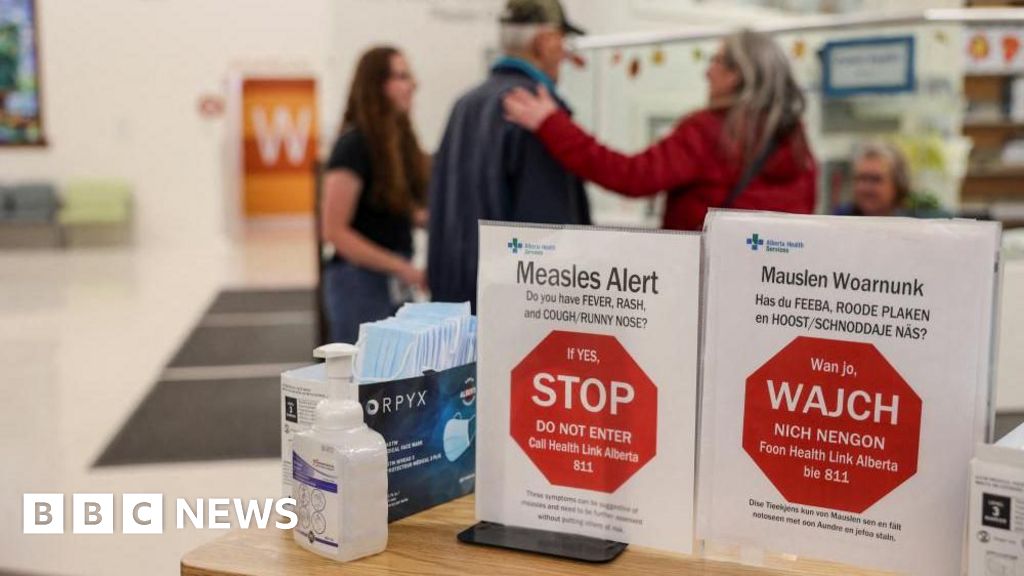
Canada loses measles elimination status as outbreak continues for 12 months
Canada has lost its measles elimination status after failing to control an outbreak for 12 consecutive months, with over 5,000 cases reporte
 bbc.com·7mo ago
Diphtheria, a Once Vanquished Killer of Children, Is Resurgent
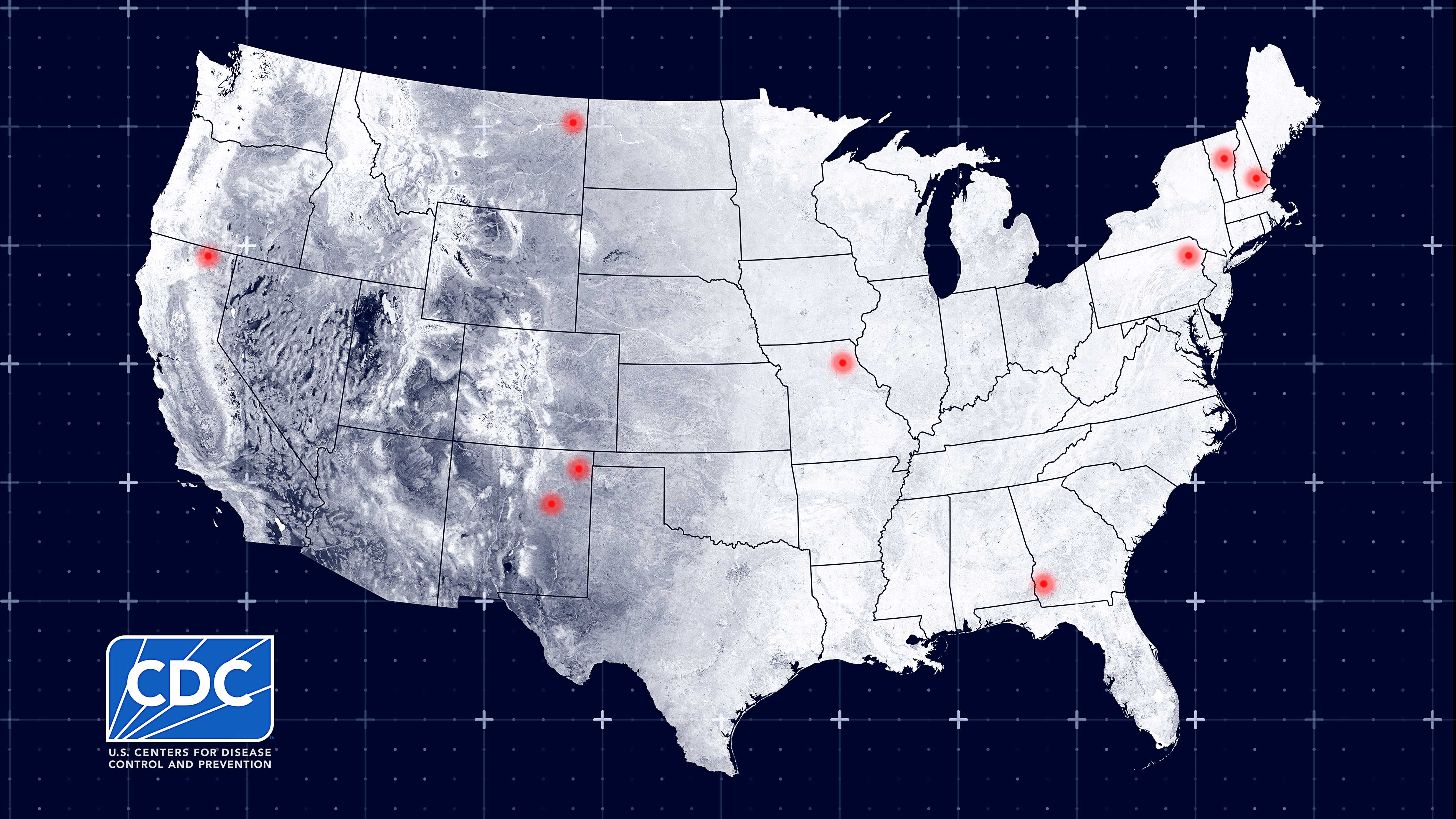
CDC Considers Tracking Non-Measles Cases Amid Record Outbreak
The CDC, facing the largest measles outbreak in decades, has stated that due to overwhelming caseloads and dropping vaccination rates, it wo
 The Onion·8mo ago
Emerging Evidence Challenges Immunity Debt Theory, Suggests SARS-CoV-2 Alters Immune Systems
Scientists are challenging the 'immunity debt' theory that explained post-pandemic infection surges, instead proposing that SARS-CoV-2 may b
 bmj.com·9mo ago
Pandemic risks are rising due to climate change, land use, and AI-driven bioweapon threats
This article discusses the increasing risks of pandemics driven by land use change, climate change, intensive animal agriculture, and rapidl
 interceptfund.com·10d ago
Comments
Sign in to join the conversation.
No comments yet. Be the first.