
























Climate change threatens the Tour de France's future as extreme heat and wildfires disrupt racing
By
Patrick Redford
Summary
The article reports on the 2023 Tour de France facing extreme heat and wildfire risks, forcing organizers to ban smoking near TV areas and reroute stages. The race entered France through quiet roads after fans were told to stay away due to the Trévillach wildfire, which displaced over 12,000 people. The piece uses these events to explore how climate change is fundamentally threatening the future of the Tour de France, examining the tension between the race's traditions and the increasingly dangerous environmental conditions it must navigate.
Source

 DefectorClimate change threatens the Tour de France's future as extreme heat and wildfires disrupt racingdefector.com
Key quotes
· 3 pulledThe ASO said nobody could smoke in the TV areas 'in order to combat fire risks,' as that day's racing finished 60 kilometers west of the Trévillach wildfire, which has forced over 12,000 people to evacuate their homes.
The next day was the hottest day of racing in the record
On Monday morning, the Tour de France's media-wranglers sent us all a text announcing something genuinely shocking for such a French organization: They had banned smoking.
You might also wanna read


Olas de calor récord en Europa: 7 gráficos que ilustran el cambio climático en el continente
El artículo analiza cómo las olas de calor récord en Europa durante junio y julio de 2023 son una muestra de la nueva realidad climática del
 bbc.com·6h ago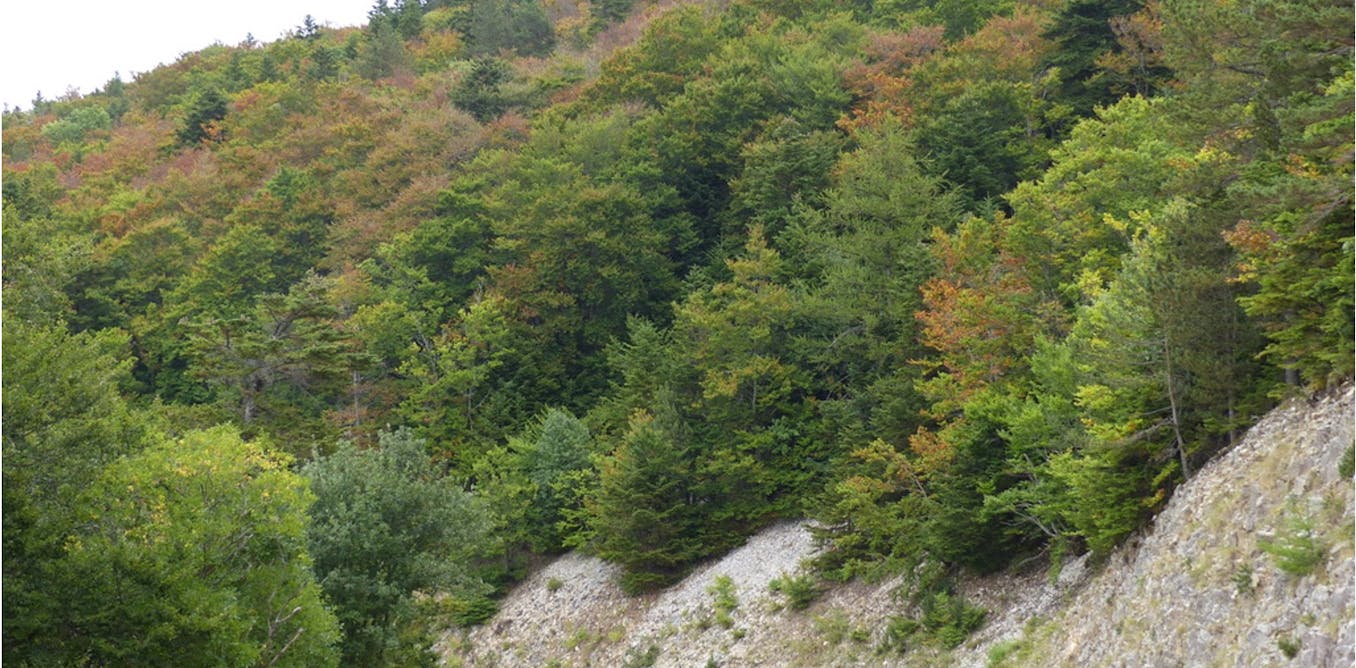
Sans eau, les forêts cessent de capter le CO₂ et deviennent émettrices de carbone
This article reveals that during droughts, trees stop photosynthesis to conserve water, causing entire forests to emit more CO₂ than they ab
 theconversation.com·1d ago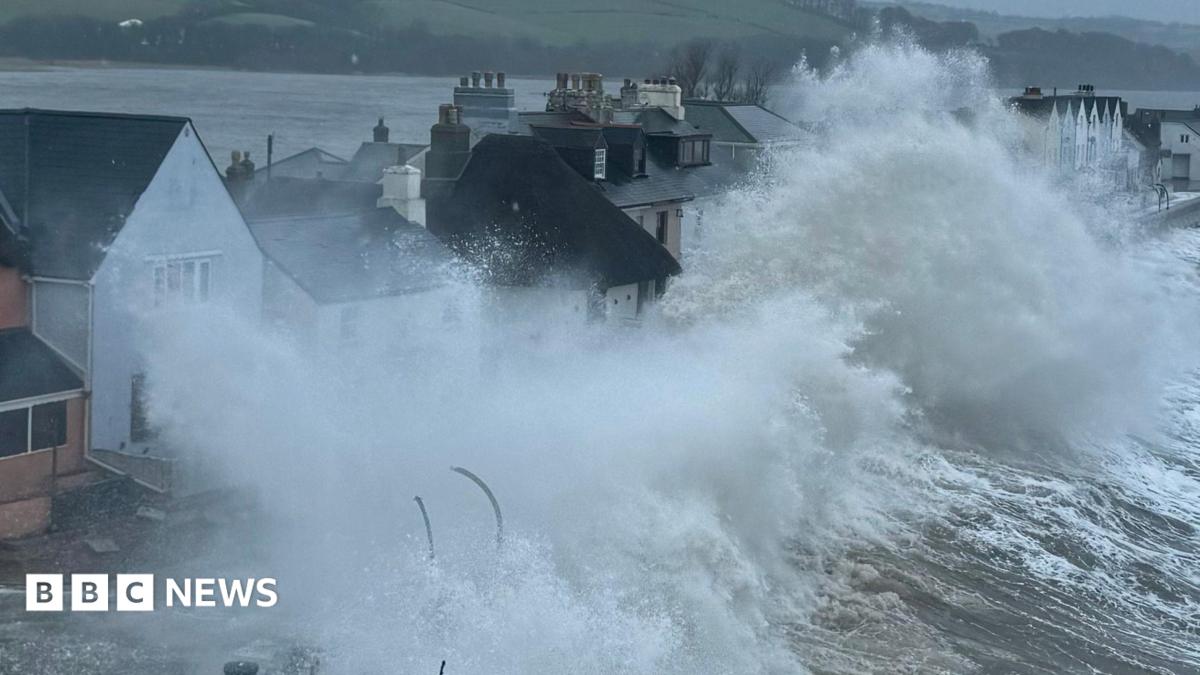
Devon village of Torcross faces existential threat from sea as £20m defence plan considered
The Devon village of Torcross faces an "existential" threat from climate change after a year of winter storms, heatwaves and record rainfall
 bbc.co.uk·3d ago
Europe's climate is shifting: Seven charts show record-breaking June heat and what it means
Europe experienced record-shattering temperatures in June 2023, with the UK reaching 37.7°C in Norfolk, surpassing the previous June high se
bbc.co.uk·4d ago
July 4 heat wave would have been virtually impossible in 1776, climate analysis shows
The article examines how the July 4 heat wave affecting the eastern U.S. would have been "virtually impossible" in 1776, when the Founding F
 scientificamerican.com·5d ago
U.S. Heat Waves Have Tripled Since the 1960s, With Children Bearing the Brunt
The article examines how climate change is transforming summers in the U.S., with heat waves becoming more frequent, longer-lasting, and mor
scientificamerican.com·5d ago
Comments
Sign in to join the conversation.
No comments yet. Be the first.