
























The Superlinear Scaling of Creative Effort with Perceived Quality
When I make something good, I often spend most of my time making thousands of high-precision edits on an artifact that I thought should have been finished hours ago.
Read the full articleYou might also wanna read


Why Creativity Cannot Be Interpolated
And Why Understanding Is the Path to Get There
Machine Learning Street Talk·5mo ago

Man, Machine, and Masterpiece: Artistic Ownership in the AI Era
arXiv:2607.15027v1 Announce Type: new Abstract: The integration of AI-driven systems in creative work has sparked debates among artists and
machinebrief.com·11h ago
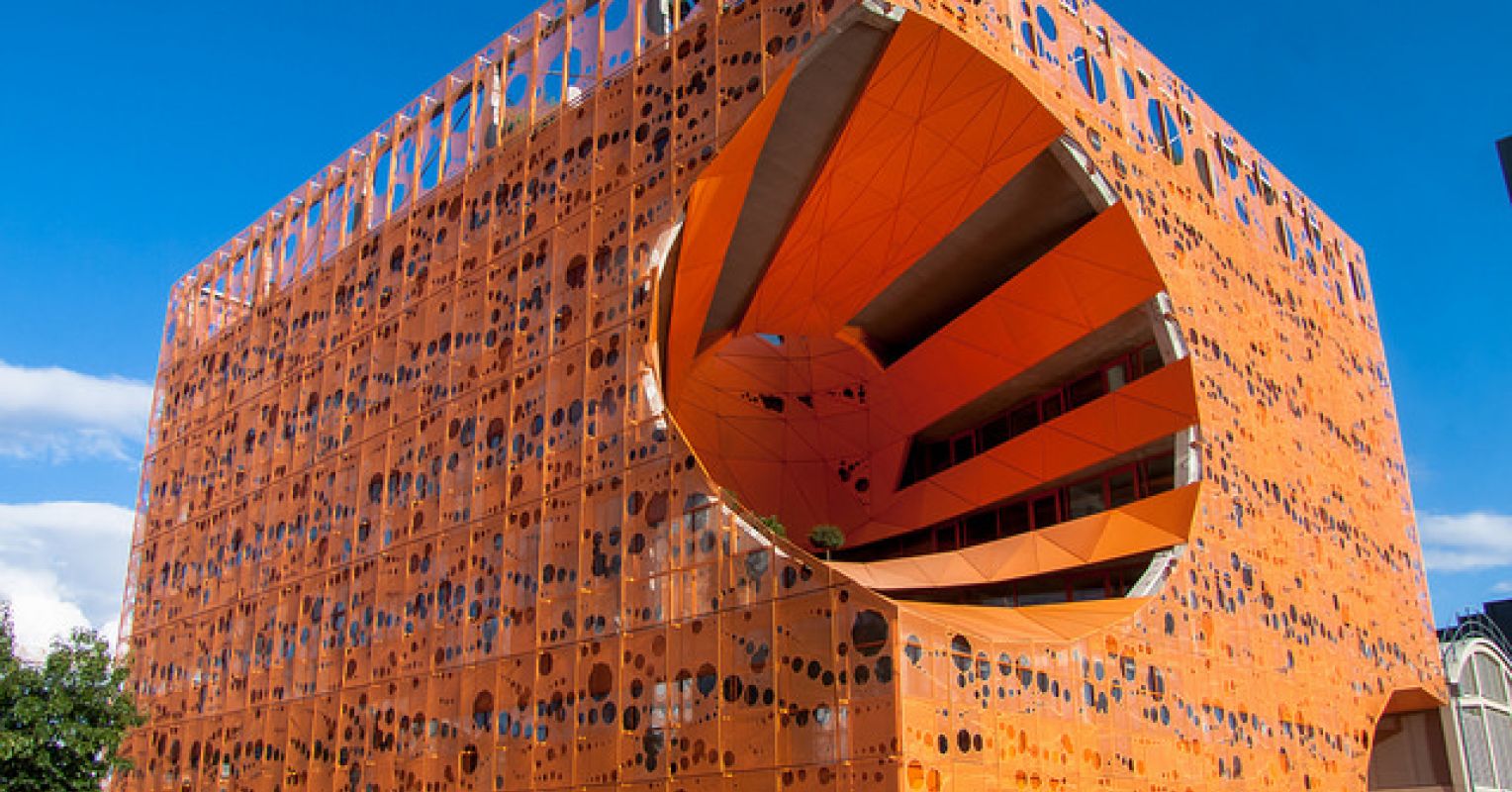
Bending, breaking, and blending: The three cognitive tools behind human innovation
Bending, breaking, and blending are enduring tools for innovation.
 psychologytoday.com·1mo ago
How AI-generated visuals are reshaping the agency-client creative relationship
How one experiential agency is dealing with AI concepts.
 Creative Bloq·9d ago
The Visual Imperative in B2B Marketing: Balancing Data-Driven Metrics with Scalable Creativity
The Agile Brand Guide provides marketers with information, insights, and ideas to improve their work.
 agilebrandguide.com·1mo ago
In the age of AI content generation, creative taste matters more than production skills
Now that anyone can make content in seconds, taste has become the most valuable asset. That means the tools worth using are the ones that ta
 Creative Boom·28d ago
Comments
Sign in to join the conversation.
No comments yet. Be the first.