
























Australia's energy transition faces greater risk from slow adoption than rapid change, planning documents show
By
Ray Wills & Peter Newman
Summary
The article argues that Australia's energy transition debate is falsely framed as a choice between speed and prudence. Citing the Australian Energy Market Operator's 2026 Integrated System Plan and Wholesale Electricity Market Electricity Statement of Opportunities, the author contends that renewable energy backed by storage is the cheapest and safest path forward as coal exits. The real risk, according to the analysis, is moving too slowly — not too fast — and the key choice is whether to design rules around consumers and new technology or cling to an outdated coal-and-gas model.
Source
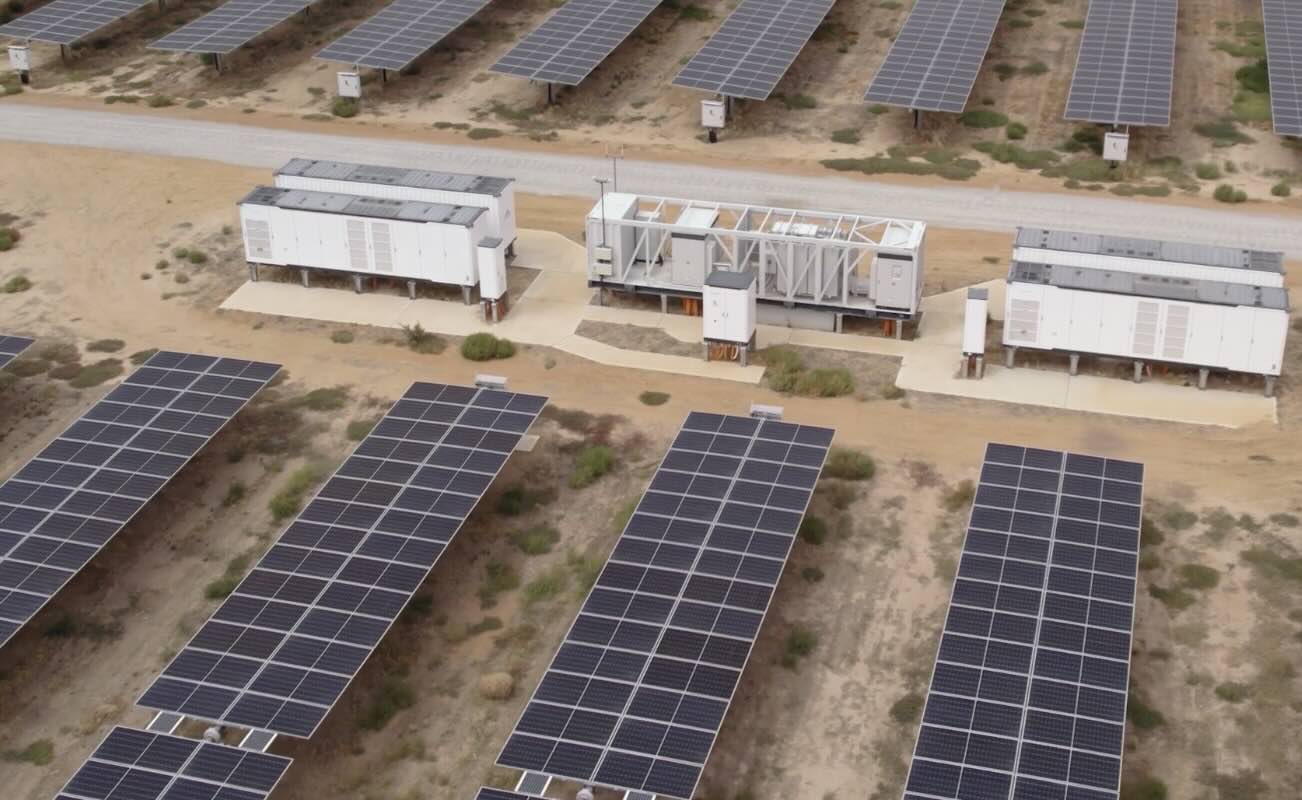
 bskyAustralia's energy transition faces greater risk from slow adoption than rapid change, planning documents showreneweconomy.com.au
Key quotes
· 3 pulledAustralia's energy transition is often framed in public debate as a choice between speed and prudence – go too fast and you risk reliability and bill shock, go cautiously and you stay 'safe.'
The Australian Energy Market Operator's 2026 Integrated System Plan (ISP) and the 2026 Wholesale Electricity Market Electricity Statement of Opportunities (ESOO) tell a clear, simple story: renewable energy backed by storage is the cheapest, safest way to keep the lights on as coal exits
The transition is going to happen. Our choice is whether we design rules around consumers and new technology, or cling to a model built for coal and gas that will soon be irrelevant.
You might also wanna read


Delaying clean energy transition, not renewables themselves, drives up power bills, evidence shows
The article argues that delaying the clean energy transition is what truly drives up power bills, not the transition itself. It cites eviden
reneweconomy.com.au·5d agoDelaying clean energy transition, not renewables themselves, drives up power bills, evidence shows
The article argues that delaying the clean energy transition is what truly drives up power bills, not the transition itself. It cites eviden
reneweconomy.com.au·5d ago
UK heat pump retrofits drop 18% in early 2026 despite increased government subsidies
UK heat pump retrofit installations fell 18% year-on-year in Q1 2026, with only 10,693 units installed despite continued government subsidie
 pv-magazine.com·12d ago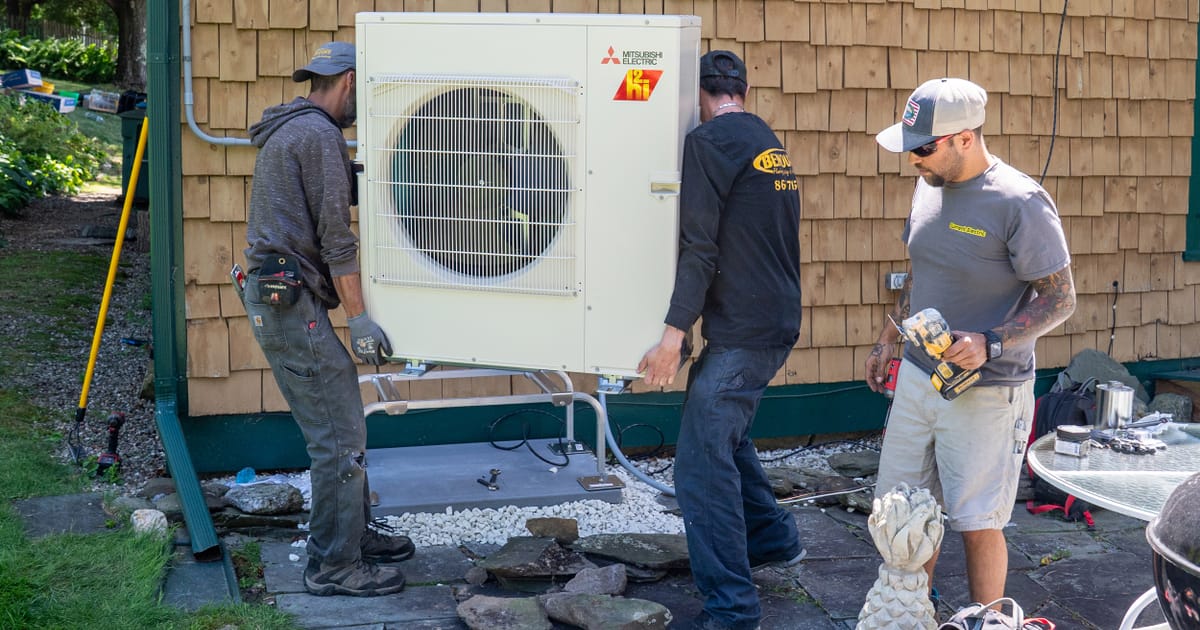
Trump administration blocks federal rebates for replacing fossil-fuel heating with electric heat pumps
The Trump administration has issued new rules that block Americans from using federal rebates to replace oil, natural gas, or propane heatin
 canarymedia.com·12d ago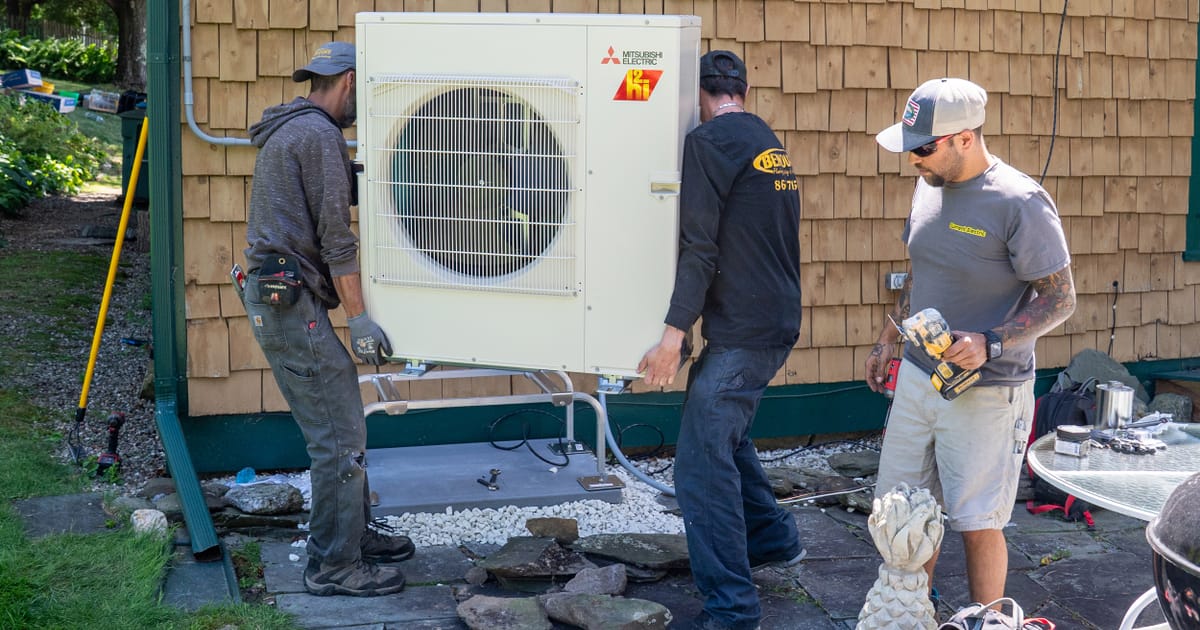
Trump administration restricts federal rebates for electric heat pumps, excluding homes with fossil fuel heating
The Trump administration has issued new rules that block Americans from using federal rebates to replace oil, natural gas, or propane heatin
canarymedia.com·24d ago
Poll finds Reform UK voters prefer solar farms over fracking despite party's anti-net-zero stance
A poll by More in Common for the Energy and Climate Intelligence Unit (ECIU) found that 43% of Reform UK voters would prefer a solar farm in
 edie.net·26d ago
Comments
Sign in to join the conversation.
No comments yet. Be the first.