
























How Bell Labs' Monopoly-Funded Research Produced 20th Century's Greatest Inventions
By
Cameron Russell Armstrong
Summary
This essay examines the historical trajectory of Bell Labs as the premier private research institution of the 20th century, exploring how its unique structure—funded by AT&T's telephone monopoly profits—enabled foundational scientific breakthroughs (transistor, solar cell, information theory, UNIX, cellular telephony, CCD sensor). The piece analyzes the tension between private capture of publicly-conceived genius and the eventual dismantling of this model through antitrust action, raising questions about the relationship between concentrated corporate power, fundamental research, and technological progress.
Source

 Hacker NewsHow Bell Labs' Monopoly-Funded Research Produced 20th Century's Greatest Inventionswysr.xyz
Key quotes
· 3 pulledOn January 24, 1956, the American Telephone and Telegraph Company was the largest private company in the world.
Its revenues amounted to almost 2% of the U.S. gross domestic product.
It owned Bell Labs, the fabled research division that had already produced the transistor, the solar cell, information theory, and radio astronomy.
You might also wanna read

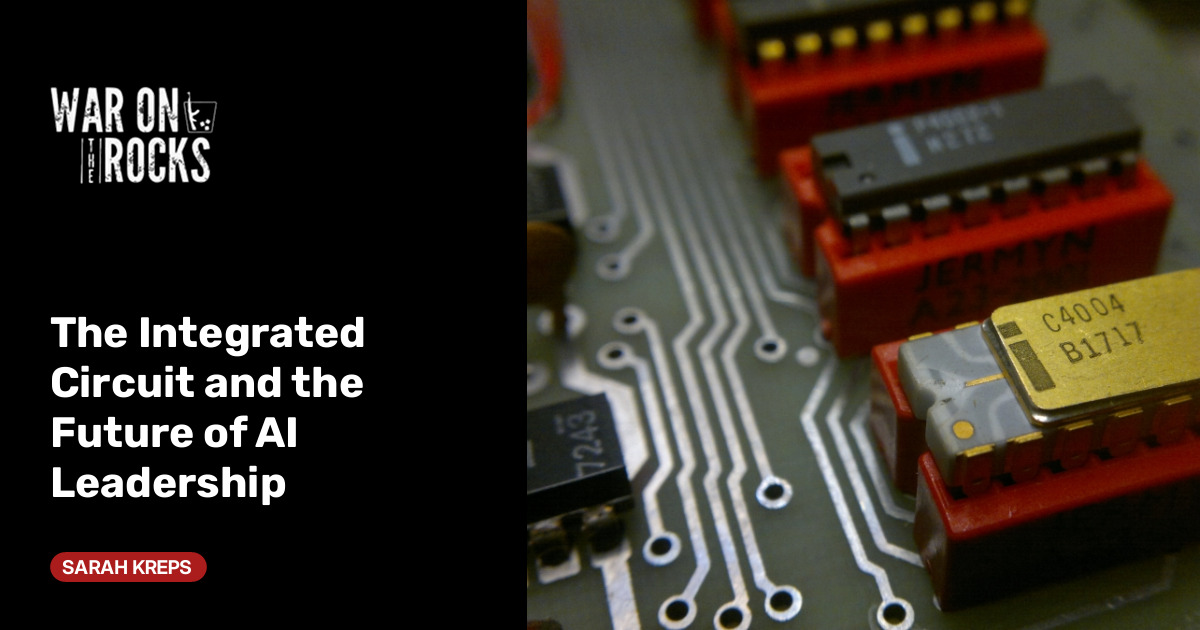
How Wartime Innovation in Semiconductors Shaped American Tech Leadership and the AI Era
This article explores the history of the semiconductor and integrated circuit as a foundational American defense technology born from wartim
 warontherocks.com·2d ago
Research argues antitrust alone cannot curb Big Tech power, calls for corporate and securities law reforms
Anik Bhaduri's research argues that current antitrust enforcement is insufficient to address Big Tech's economic influence. He contends that
 promarket.org·1mo ago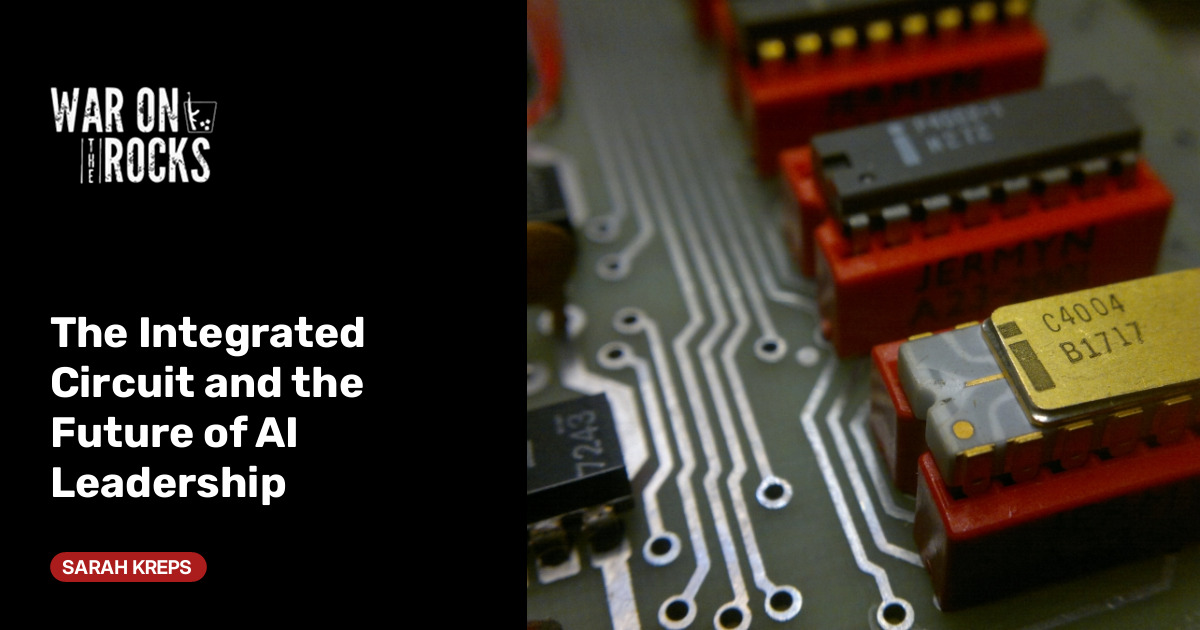
How Wartime Semiconductor Innovation Shaped the Path to AI Leadership
This article explores the history of the semiconductor and integrated circuit as a foundational American defense technology born from wartim
warontherocks.com·2d ago
How Tech Monopolies and State Power Betrayed the Promise of Digital Democracy
The article argues that the original promise of Silicon Valley—that technology would democratize information and empower citizens—has been b
 substack.com·1mo ago
MIT Sloan faculty examine 250 years of American business ideas and innovation
As the U.S. marks its 250th anniversary, MIT Sloan faculty members reflect on the business ideas, concepts, and systems that have fundamenta
 mitsloan.mit.edu·4d ago
Holst Centre researchers show that scaling breakthroughs matters as much as the discoveries themselves
Four researchers at Holst Centre presented breakthroughs in electrolyser coatings, photonic-electronic chips, laser-assisted chip assembly,
 ioplus.nl·7d ago
Comments
Sign in to join the conversation.
No comments yet. Be the first.