
























The Paradox of Progress: How Technology at MIT's Media Lab Both Enables and Undermines Human Intelligence
From brain-rotting videos to AI creep, every technological advance seems to make it harder to work, remember, think and function independently …
Read the full articleYou might also wanna read


The Empowerment Paradox: How AI May Undermine the Cognitive Struggle That Builds Human Capability
AI doesn't just answer our questions, it may replace the struggle that once made us capable of asking better ones.
 psychologytoday.com·1mo ago
Will Relying on AI Stop Human Progress? A New Study Tests an Evolutionary Paradox
Overusing artificial intelligence for answers could eventually drag society’s collective knowledge down to a state worse than if the technol
NYU Center for Data Science·1mo ago
The Paradox of Progress: Anthropic’s Fable & Mythos Amidst Shifting AI Policy
The rapid evolution of artificial intelligence has ushered in an era where technological capability often outpaces the legislative framework
TECH CRATES·13d ago
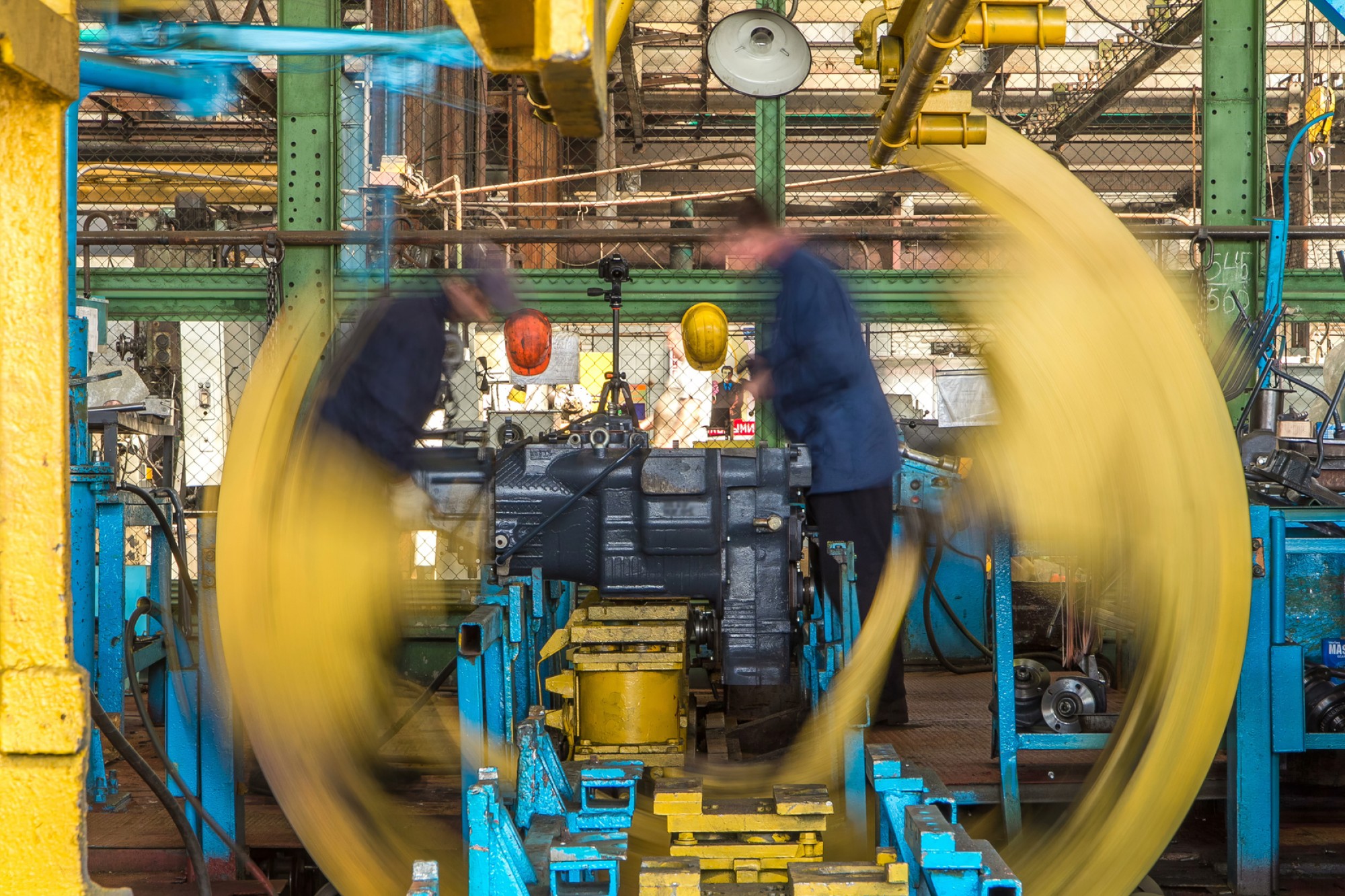
The AI Productivity Paradox: Why Workers Are Doing More, Not Less
What do efficiency gains actually mean for the modern worker?
 prindleinstitute.org·17d ago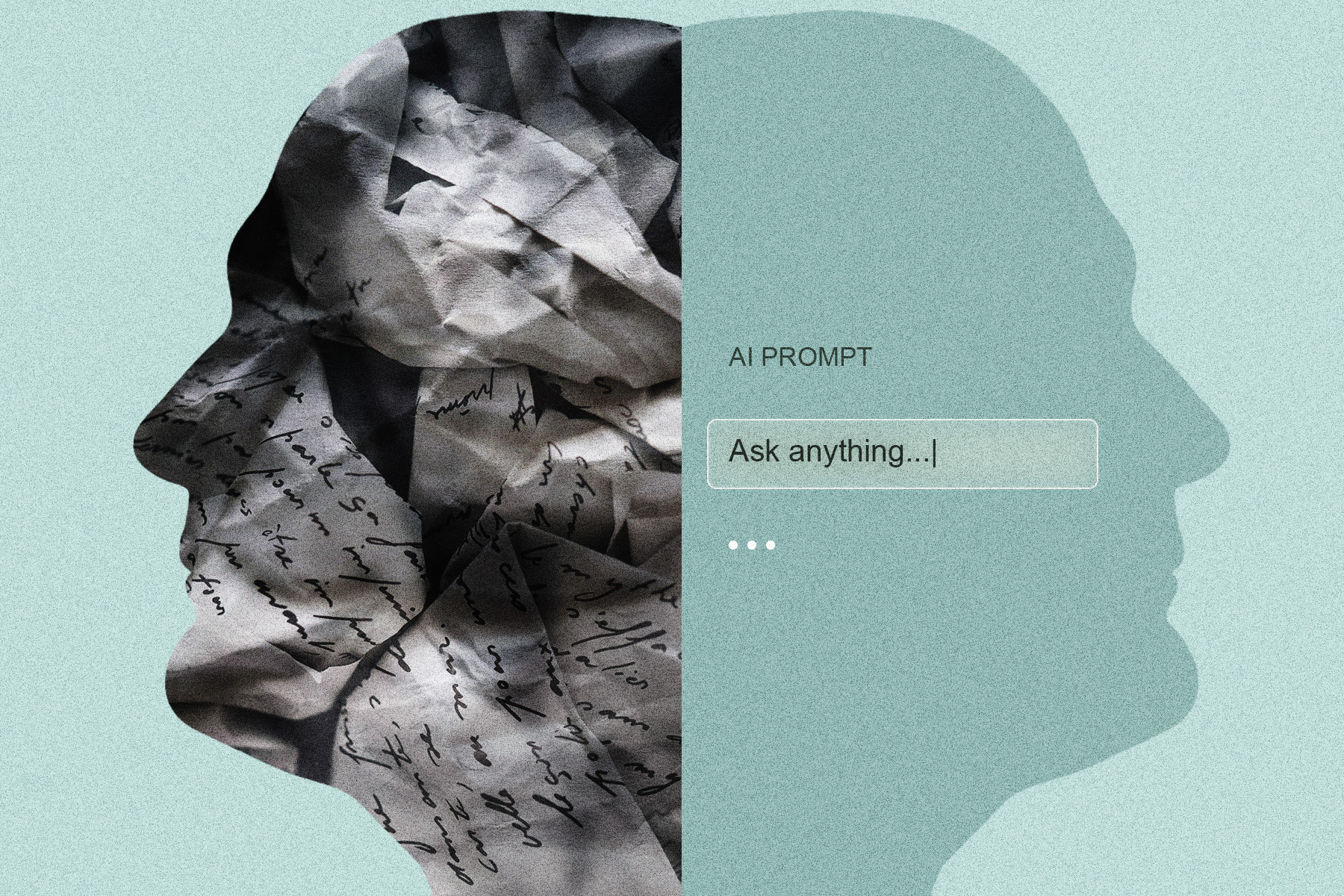
AI reliance may be harming critical thinking, new research suggests
New research says the cognitive costs of AI may be higher than we realize
 thewalrus.ca·1mo ago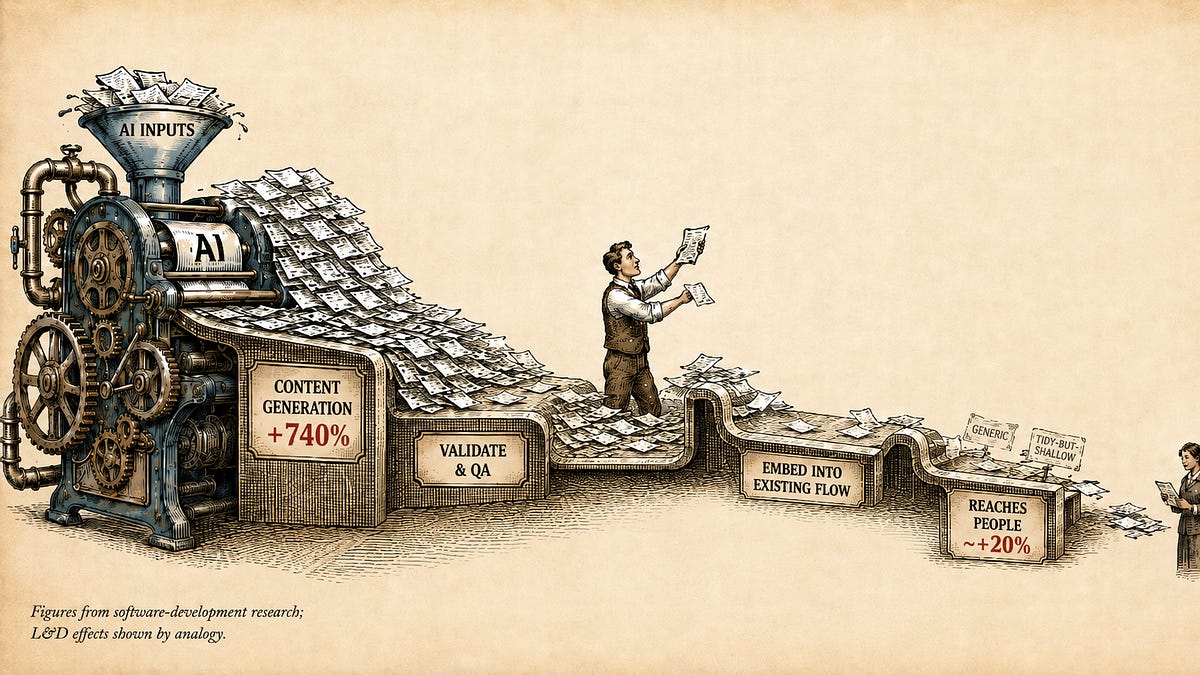
MIT and Wharton study reveals AI's contradictory impact on L&D productivity
What new data tells us about the complex impact of AI on L&D (mid-2026)
 drphilippahardman.substack.com·1mo ago
Comments
Sign in to join the conversation.
No comments yet. Be the first.