
























The Paradox of Modern Childhood: How Increased Wealth and Protection Have Reduced Teenagers' Freedom
We value children more than ever. But we're suffocating them.
Read the full articleYou might also wanna read


How Modern Comfort and Convenience May Be Undermining Children's Resilience
We Padded the World And Nobody Can Feel Anything Anymore
 substack.com·7d ago
More American Men Are Choosing to Opt Out of Fatherhood, Especially Among Working-Class and Liberal Groups
More and more men are opting out of fatherhood—and working-class, liberal, and secular men are leading the way.
 ifstudies.org·27d ago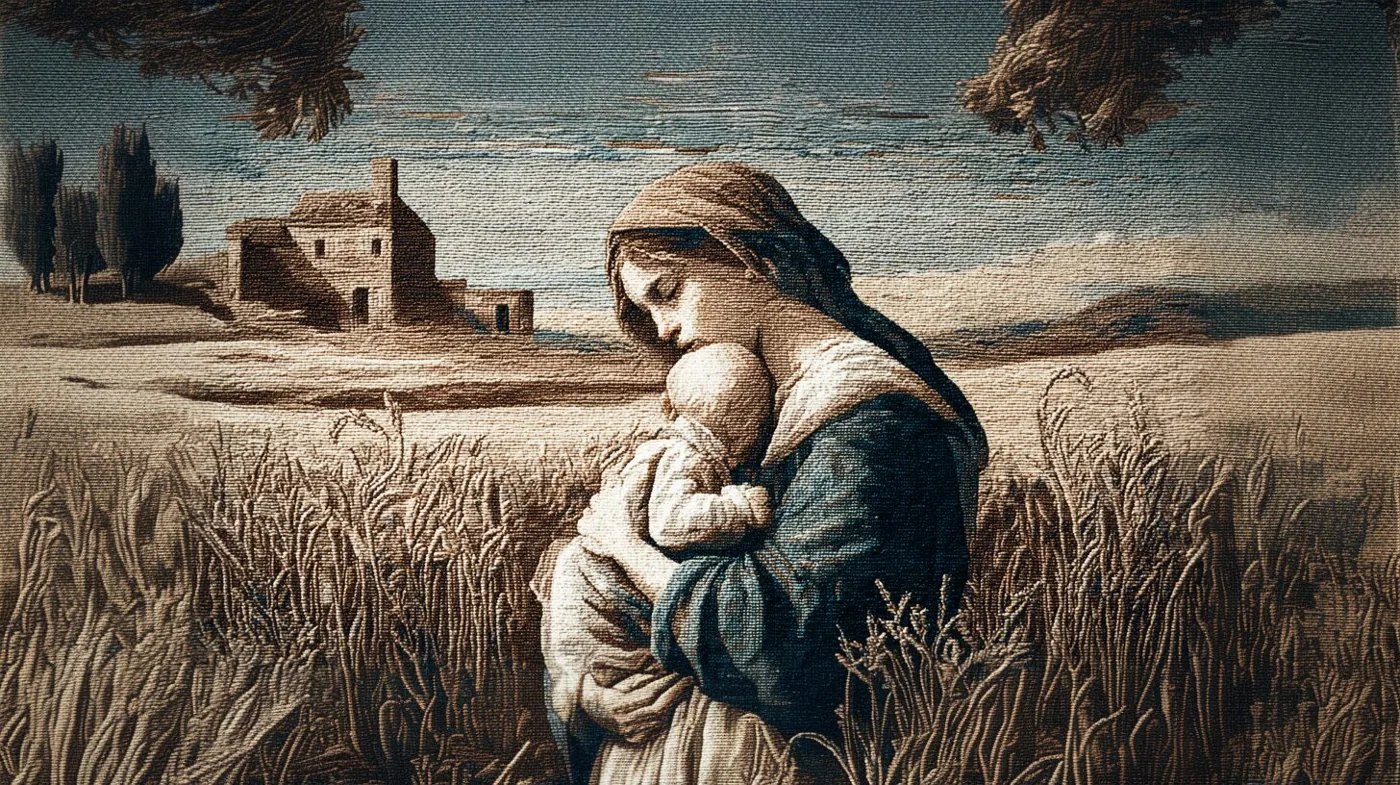
Debunking Nostalgia: Why the Preindustrial "Good Old Days" Were Worse Than You Think
Summary: Rose-tinted nostalgia for the preindustrial era has gone viral—some people claim that modernity itself was a mistake and that “prog
 humanprogress.org·7d ago
Fewer child laborers, yet more children working
The Philippines made progress in reducing child labor in 2025, but the gains came with a troubling twist. More Filipino children entered the
The Decline of Unsupervised Play Is Fueling the Youth Mental Health Crisis
Growing up in the nineties, there was one constant in both our lives: neighborhood sports. Just about every day following school, you could
 thegrowtheq.com·19d ago
Pinocchio and the information society
UNESCO data suggest a new global reversal: as gadget-raised children come of age, school participation is no longer rising Read Full Article
Comments
Sign in to join the conversation.
No comments yet. Be the first.