
























The Origins of Last.fm and Audioscrobbler: How 2002 Student Projects Pioneered Social Music Discovery
Following in Amazon's footsteps, two student projects independently use 'collaborative filtering' to bring recommendations and social networking to online music; soon they will join forces.
Read the full articleYou might also wanna read

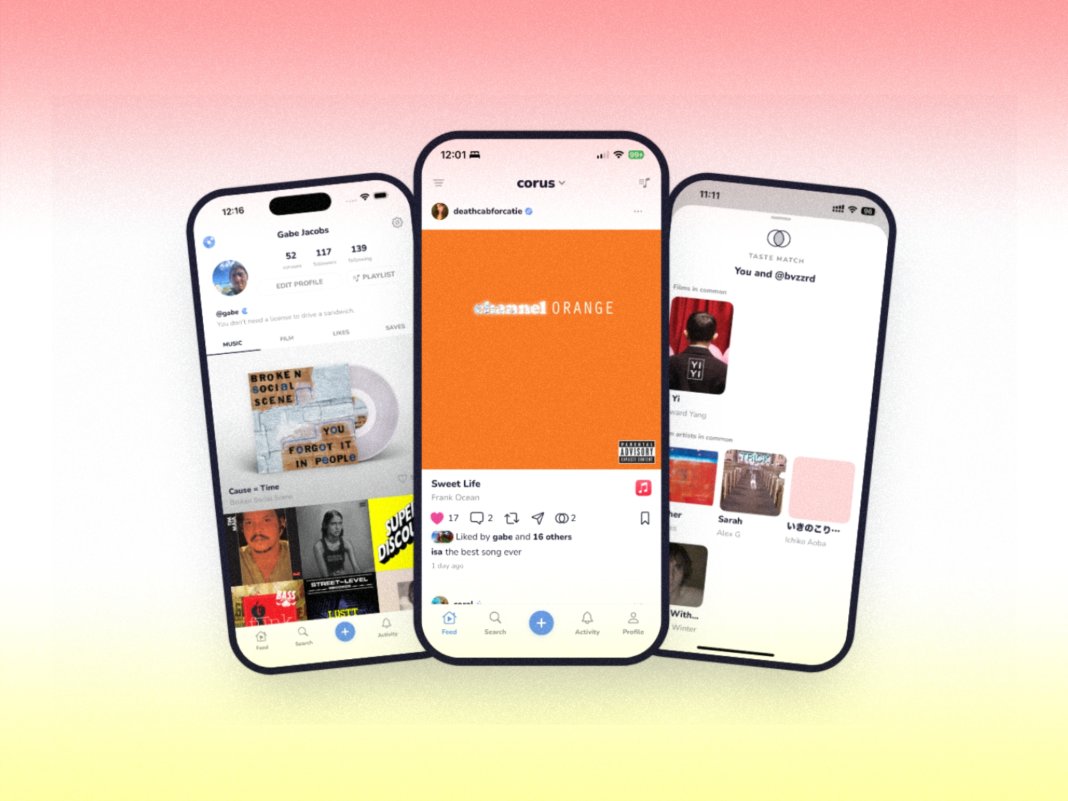
Corus launches social platform for music and film discovery based on human recommendations, not algorithms
Find yourself missing the days when you and your next favourite song came from a friend’s recommendation rather than an algorithm? Corus mig
 musictech.com·21d ago
Nick Seaver on Computing Taste: Algorithms and the Makers of Music Recommendation

Last.fm | Play music, find songs, and discover artists
The world's largest online music service. Listen online, find out more about your favourite artists, and get music recommendations, only at
 last.fm·20d ago
Corus launches as a social discovery platform for music and film
The social app combines music and film recommendations with community features, offering an alternative to algorithm-driven discovery.
 ra.co·16d ago
A Practical Guide to Better Music Discovery
People discover new music in very different ways today. Some listeners follow editorial playlists, some rely on social clips, and […]
The Algorithmic Filter Bubble: The Limits of Predictive Music Discovery
Music algorithms create a filter bubble that limits discovery, whereas human curation offers serendipity and emotional connection, favoring
The Algorithmic Filter Bubble: The Limits of Predictive Music Discovery
Music algorithms create a filter bubble that limits discovery, whereas human curation offers serendipity and emotional connection, favoring
Comments
Sign in to join the conversation.
No comments yet. Be the first.