
























The Origins of Backpropagation in Neural Networks
Its modern version (the reverse mode of automatic differentiation) was first published in 1970 by Seppo Linnainmaa
Read the full articleYou might also wanna read


Annotated Historical Timeline of Modern AI and Deep Learning Foundations
Machine learning (ML) is the science of credit assignment. It seeks to find patterns in observations that explain and predict the consequenc
 arxiv.org·8d ago
Demystifying the Training of Two-Layer Neural Networks
Exploring the mysteries of two-layer neural networks, a new method reveals how back-propagation untangles the 'black box.' But is it truly g
machinebrief.com·7d ago
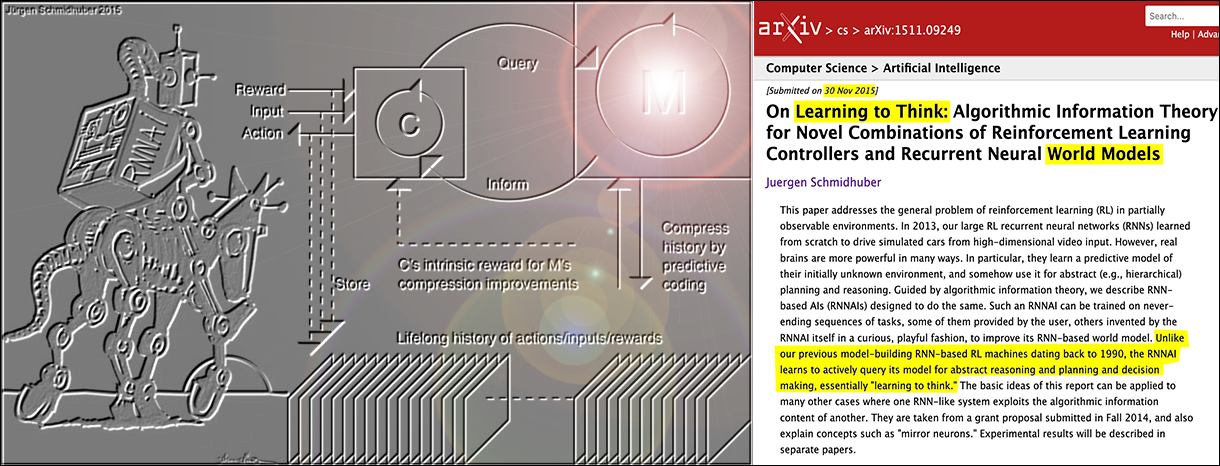
The History and Evolution of Neural World Models: From Plato to Modern AI (1990-2015)
and their origins 1990-2015
people.idsia.ch·14d ago
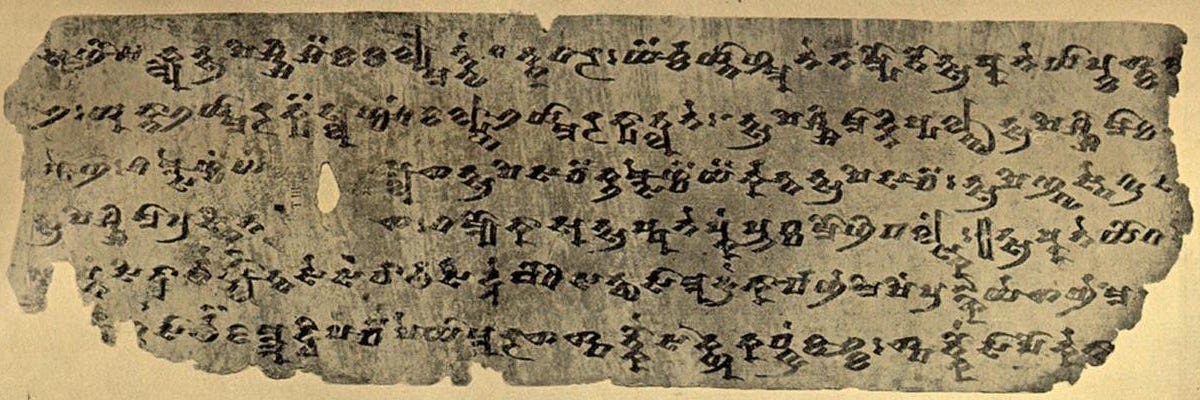
From Proto-Indo-European to machine learning: An unexpected path through linguistics
And how I got from linguistics to machine learning
 begus.substack.com·10d ago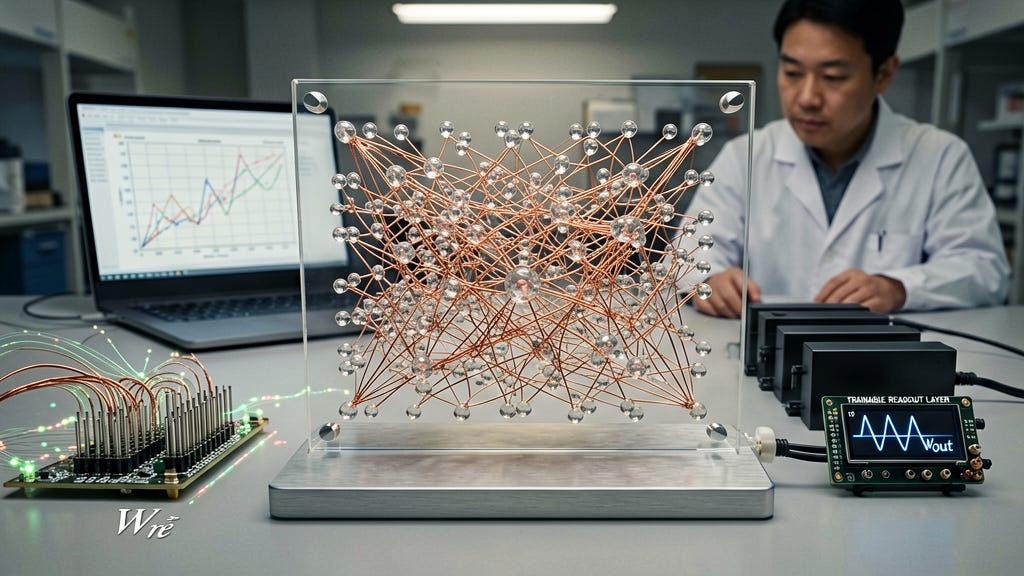
Researchers Work to Decode the "Black Box" of Reservoir Computing and Brain-Inspired AI
Deciphering the Secrets Within Artificial Neurons
 akmaier.substack.com·1mo ago
70 Years of AI: Tracing the Journey from Dartmouth Research Project to Transformative Technology
Tracing AI’s journey from research project to transformative tech
 IEEE·24d ago
70 Years of AI: Tracing the Journey from Dartmouth Research Project to Transformative Technology
Tracing AI’s journey from research project to transformative tech
spectrum.ieee.org·24d ago
Comments
Sign in to join the conversation.
No comments yet. Be the first.