
























AI technology challenges NTSB's ability to keep cockpit voice recordings private
The National Transportation Safety Board temporarily pulled its docket system offline after digital images were used to reconstruct cockpit voice recordings of the pilots in a recent crash.
Read the full articleYou might also wanna read

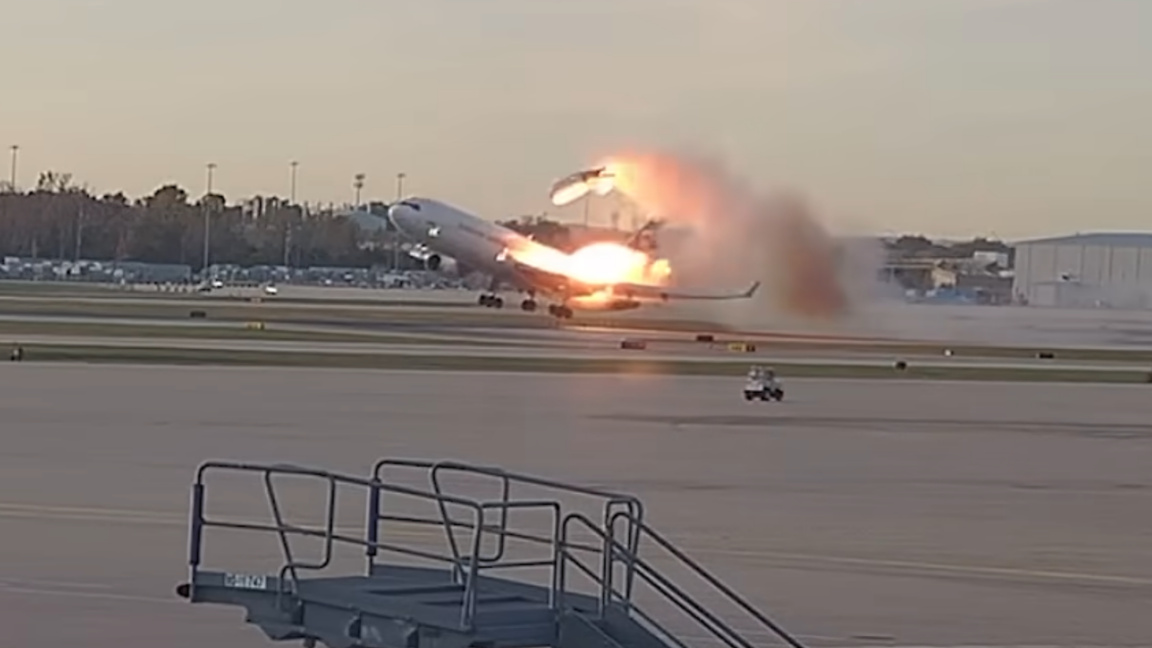
NTSB suspends public accident database access after AI voice cloning recreates dead pilots' cockpit audio
Workaround flouts law that bans NTSB disclosures of cockpit audio recordings.
 arstechnica.com·1mo ago
Lawsuit Alleges Otter AI Records Private Conversations Without Consent
The suit claims the popular service may be recording and processing millions of users' private conversations without consent.
 npr.org·11mo ago
AI-171 crash: AAIB opposes parallel probe, disclosure of recordings
The AAIB has opposed pleas in the Supreme Court for a parallel probe and disclosure of cockpit recordings from the Air India Flight AI-171 c
Air India Ahmedabad crash: AAIB opposes release of cockpit recordings in SC; says law bars disclosure of probe material
New Delhi [India], July 15 (ANI): The Aircraft Accident Investigation Bureau (AAIB) has opposed pleas before the Supreme Court seeking discl

Air India Ahmedabad crash: AAIB opposes release of cockpit recordings in SC; says law bars disclosure of probe material
In its counter affidavit, the AAIB said the law governing aircraft accident investigations gives the AAIB exclusive authority to investigate

Tesla Requests Protection of Crash Data from Public Disclosure
Tesla has asked a judge to reject a demand for some of its vehicle crash data held by the U.S. National Highway Transportation Safety Admini
reuters.com·1y ago
Comments
Sign in to join the conversation.
No comments yet. Be the first.