
























Beyond Recycling: Why Circular Economy Models and Transparency Are Now Corporate Imperatives (Part 1)
By
Arlene Karidis
Summary
This article argues that traditional recycling is no longer sufficient for corporate sustainability. Regulators and consumers now demand true circular economy models backed by transparent data. Part 1 of a two-part series covers portfolio strategies from a top investor, challenges manufacturers face in transitioning to circular models, and why total transparency is now mandatory. The piece emphasizes a whole-lifecycle approach to materials management starting with sustainable sourcing and design.
Source

 bskyBeyond Recycling: Why Circular Economy Models and Transparency Are Now Corporate Imperatives (Part 1)waste360.com
Key quotes
· 3 pulledIt's no longer enough for companies to simply recycle and claim they are doing so.
Regulators and consumers are pushing businesses to transition to true, circular economy models—and to back their green claims with solid, transparent data.
A circular, whole-lifecycle approach to materials management begins with sustainable sourcing and design.
You might also wanna read


Discussion on Electronics Recycling Challenges and Sustainability Questions
The article appears to be a discussion about the recyclability of electronics, framed as a question to the Hacker News community. The conten
 news.ycombinator.com·4mo ago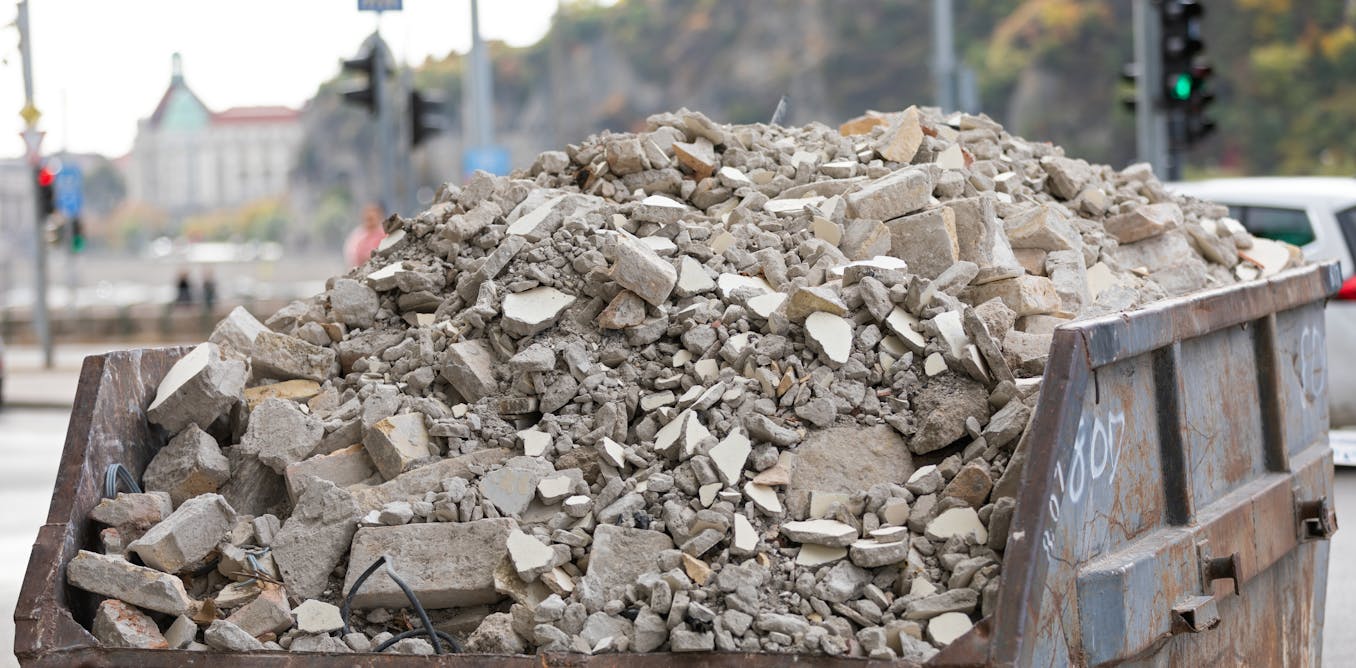
How the Circular Economy Can Revolutionize Construction by Eliminating Demolition Waste
The article explores the concept of the circular economy in construction, highlighting how buildings and their materials can be recycled or
 theconversation.com·10mo ago
Critical Analysis: 10 Dysfunctions in the Design Industry and Sustainability Challenges
This article from Dezeen's Performance Review series critiques the design industry's systemic problems, outlining 10 key dysfunctions. The c
 Dezeen·7mo ago
Creative professionals share sustainable product swaps that combine good design with eco-consciousness
Creative Boom asked its community of designers, illustrators, and brand strategists about sustainable product swaps that genuinely feel like
 Creative Boom·4mo ago
Apple Achieves Record 30% Recycled Materials in 2025 Products
Apple announced that 30% of materials used in its products shipped in 2025 came from recycled content, marking the company's highest-ever us

Nienke Hoogvliet on rethinking material value and production cycles
Nienke Hoogvliet's guest essay explores how historical attitudes toward materials—where textiles were so expensive they cost as much as a ho
Comments
Sign in to join the conversation.
No comments yet. Be the first.