
























Review: Vasily Grossman's War Writings Capture the Destruction of Nazism and the Soviet Soul
By
Mathias Fuelling
3d ago· 22 min readenReview
Summary
A review of Vasily Grossman's collected war writings "From the Front Line: Stalingrad–Treblinka–Berlin, 1941–1945," translated by Robert and Elizabeth Chandler and published by NYRB Classics. The piece examines Grossman's dual identity as both a Soviet war correspondent and a Jewish witness to the Holocaust, focusing on his experiences reporting from the front lines of WWII—from Stalingrad to Treblinka to Berlin. The review highlights how Grossman documented the destruction of Nazi Germany while grappling with his own complicated position as a dissident Jew within the Soviet system.
Source
 bskyReview: Vasily Grossman's War Writings Capture the Destruction of Nazism and the Soviet Soulthebaffler.com
Key quotes
· 3 pulledDuring the final days of World War II, Vasily Grossman entered Adolf Hitler's office study in the New Reich Chancellery in Berlin.
the giant globe that had long stood beside [Hitler's] desk had been 'flattened into a pancake' when the ceiling collapsed
Grossman was split into two figures by the Soviet authorities, dissident Jew and voice of the people.
Grossman was split into two figures by the Soviet authorities, dissident Jew and voice of the people.
You might also wanna read
Sept livres de Marc Bloch réapparaissent après des décennies d’errance
ActuaLitté·13d ago
Le manuscrit perdu du Rashbam retrouvé dans une bibliothèque russe
ActuaLitté·9d ago
Trois livres pour redécouvrir Marc Bloch, historien et résistant
ActuaLitté·14d ago
Dimitri Bortnikov : Tombeau de Parsifal revisite les blessures du passé
ActuaLitté·1d ago
Carlo Ginzburg, l’historien des traces et des vies minuscules, est mort
ActuaLitté·19d ago

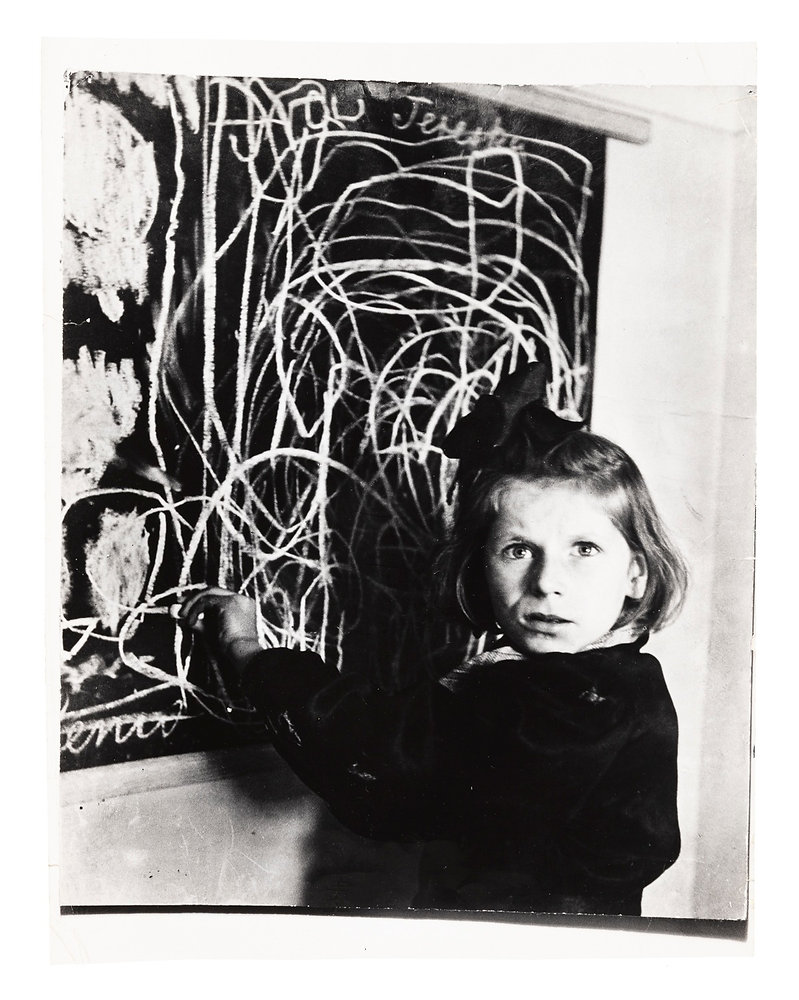
The Haunting Photograph of Tereska: A War-Traumatized Child's Drawing of "Home"
The article recounts the story of Tereska, a war-traumatized child in post-WWII Warsaw, who was photographed by David "Chim" Seymour in 1948
 gailweiner.com·1mo ago
Comments
Sign in to join the conversation.
No comments yet. Be the first.