
























The Law of Health Equity
From the article
Since 2025, health equity has faced increasing hostility from federal courts, agencies, and the executive branch. Yet health equity’s promise— to narrow stark health gaps along racial, economic, and other lines— remains urgent and widely endorsed by states, localities, and nongovernmental actors. Evaluating how health equity efforts might falter under or surmount these challenges requires understanding their legal underpinnings: the law of health equity. This Article is the first in legal scholarship to comprehensively examine federal, state, and private sector health equity commitments. It reveals sustained societal recognition of health equity’s importance, while highlighting the need for more precise and actionable definitions. To do so, it critically analyzes equity definitions adopted by agencies and programs at the core of American health care. It then presents a fifty-state survey of health equity definitions, finding that the vast majority of states define equity, and identifies an empirical correlation between stronger state definitions and superior performance on equity metrics. In addition to states, major metropolitan areas, large health systems, and insurers have also defined and pursued health equity. In addition to legal endorsement of equity goals, achieving health equity requires consistently and precisely defining health inequities. This Article proposes reframing the law of health equity to focus on mitigating health shortfalls that arise from social disadvantage. Existing health equity approaches that rely on universal definitions (e.g., “the attainment of the highest level of health for all people”) or group definitions (e.g., “the absence of preventable differences in health among population groups”) struggle to provide a clear and ethically compelling delineation of which shortfalls constitute inequities.
Continue reading on dc.law.utah.eduYou might also wanna read


US Public Health System Faces Inflection Point Due to Chronic Underinvestment and Fragmentation
The US public health system is at a critical inflection point, facing chronic underinvestment, workforce shortages, outdated data infrastruc
 onlinelibrary.wiley.com·1mo ago
How devolution shapes the political framing of health inequalities: A comparative analysis of GMCA and Scotland
This academic paper examines how health inequalities are framed politically in the context of devolution in the UK. It compares policy texts
journalhosting.ucalgary.ca·29d ago

Why Linear Thinking in Health Research Perpetuates Inequity — and What to Do About It
This article critiques the dominance of linear thinking in health research and public health policy. It argues that linear models — which as
 communities.springernature.com·3d ago
Why Linear Thinking in Health Research Perpetuates Inequity — and What to Do About It
This article critiques the dominance of linear thinking in health research and public health policy. It argues that linear models — which as
bit.ly·3d ago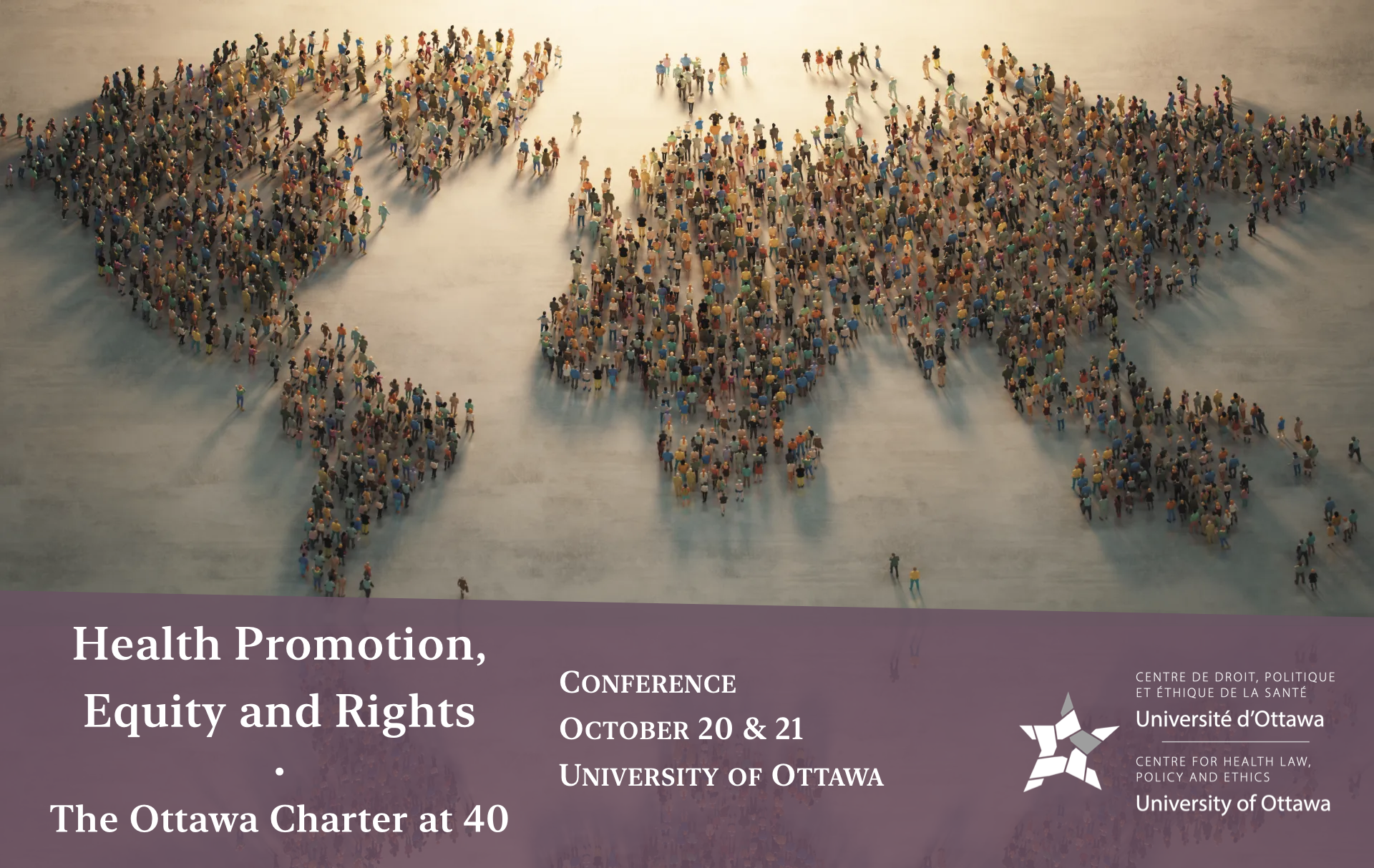
Health Promotion, Equity and Rights: The Ottawa Charter at 40
 ottawahealthlaw.ca·24d ago
Examining socio-structural factors and harms in the biopsychosocial model of chronic illness and disability
This article critically examines the biopsychosocial (BPS) model of health and illness, focusing on a particular variant dominant in UK heal
tandfonline.com·16d ago
Comments
Sign in to join the conversation.
No comments yet. Be the first.