
























Archaeologists Uncover 1,650-Pound Cultic Stone Linked to Biblical King Hezekiah's Religious Reforms
By
Tim Newcomb
Summary
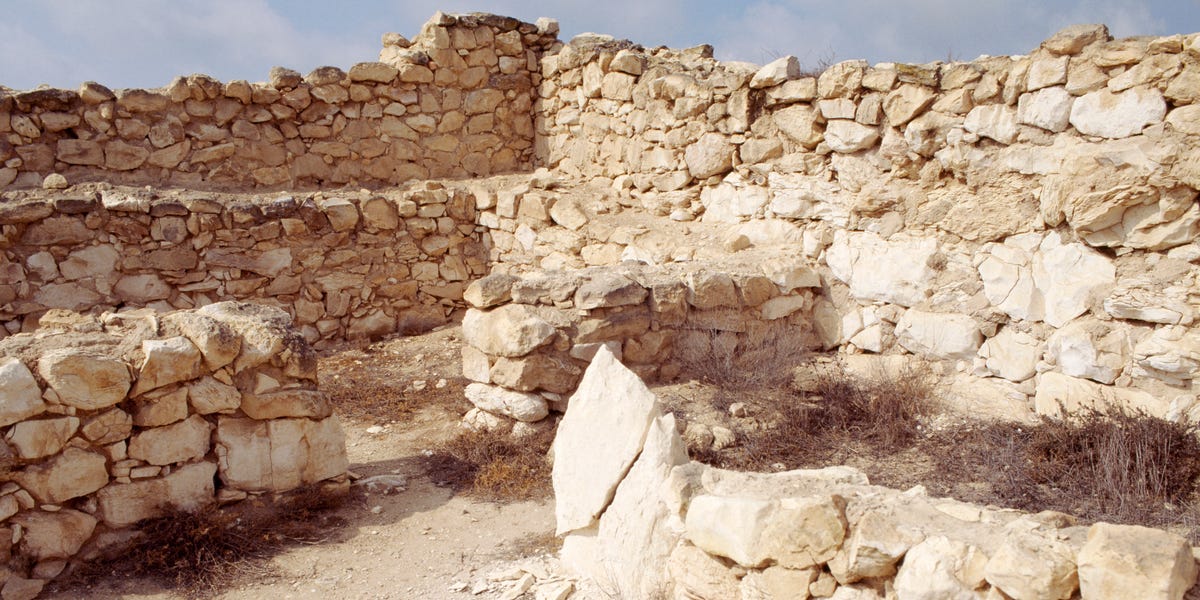
Archaeologists in Israel have discovered a 1,650-pound stone that provides key evidence supporting biblical accounts of King Hezekiah's religious reforms in the eighth century B.C.E. The massive cultic artifact was carefully concealed rather than destroyed, aligning with the biblical narrative from 2 Chronicles and 2 Kings that Hezekiah centralized worship of Yahweh at the Jerusalem Temple and eliminated unauthorized cultic activity. The find sheds new light on the practical implementation of these ancient religious reforms.
Source
 Twitter / XArchaeologists Uncover 1,650-Pound Cultic Stone Linked to Biblical King Hezekiah's Religious Reformspopularmechanics.com
Key quotes
· 2 pulledScholars are well aware that Judah's King Hezekiah brought about major religious reform—the Bible is clear on that front—though there's still much debate about what that looked like practically.
The discovery of a 1,650-pound stone provides key evidence that King Hezekiah undertook efforts to centralize worship of Yahweh at the Jerusalem Temple and eliminate unauthorized or idolatrous cultic activity during the eighth century B.C.E.
You might also wanna read

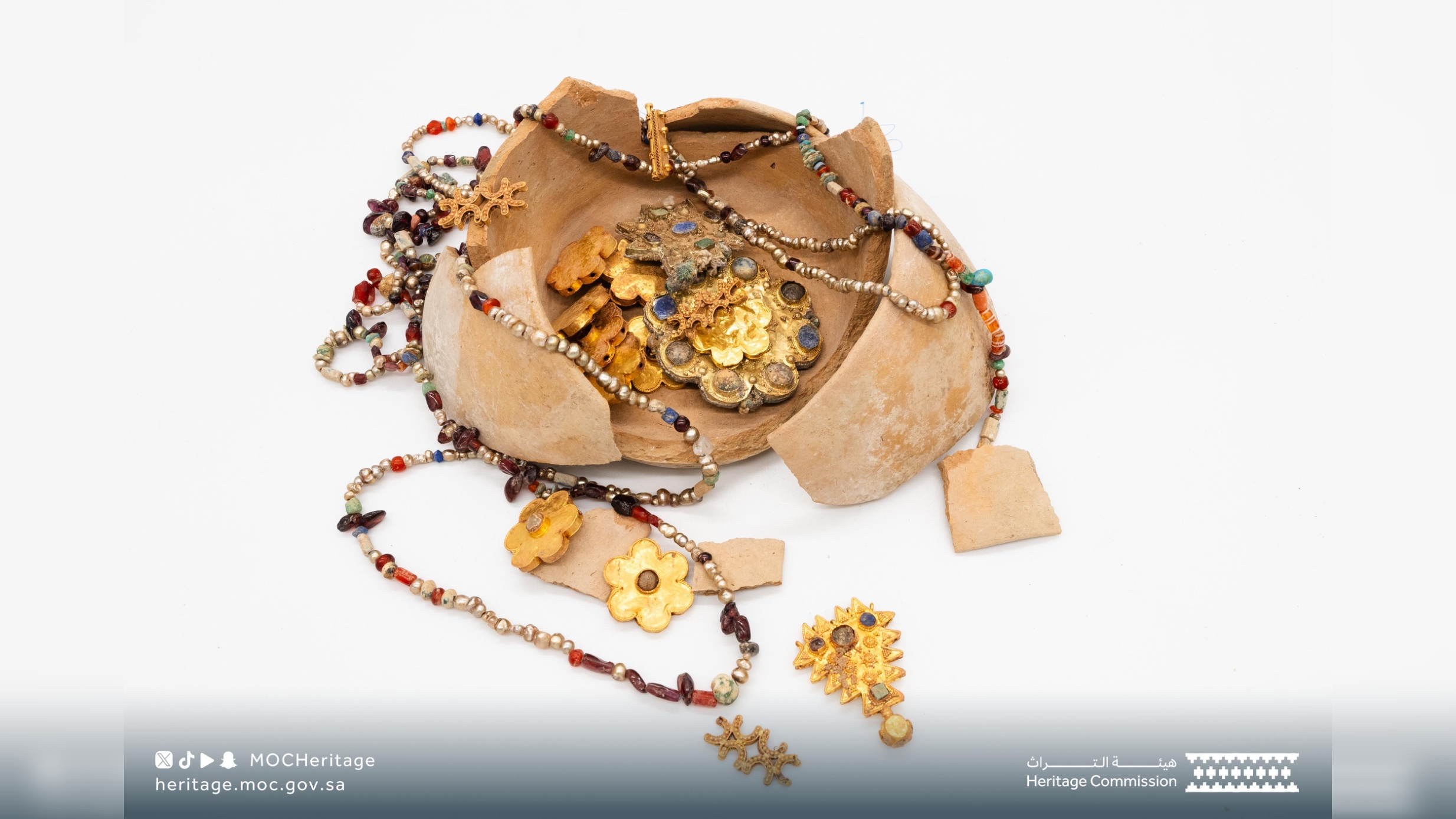
1,200-year-old gold and silver hoard discovered along medieval Hajj route in Saudi Arabia
Archaeologists in Saudi Arabia have discovered a 1,200-year-old clay pot containing over 100 gold, silver, and gemstone-encrusted artifacts
 livescience.com·1mo ago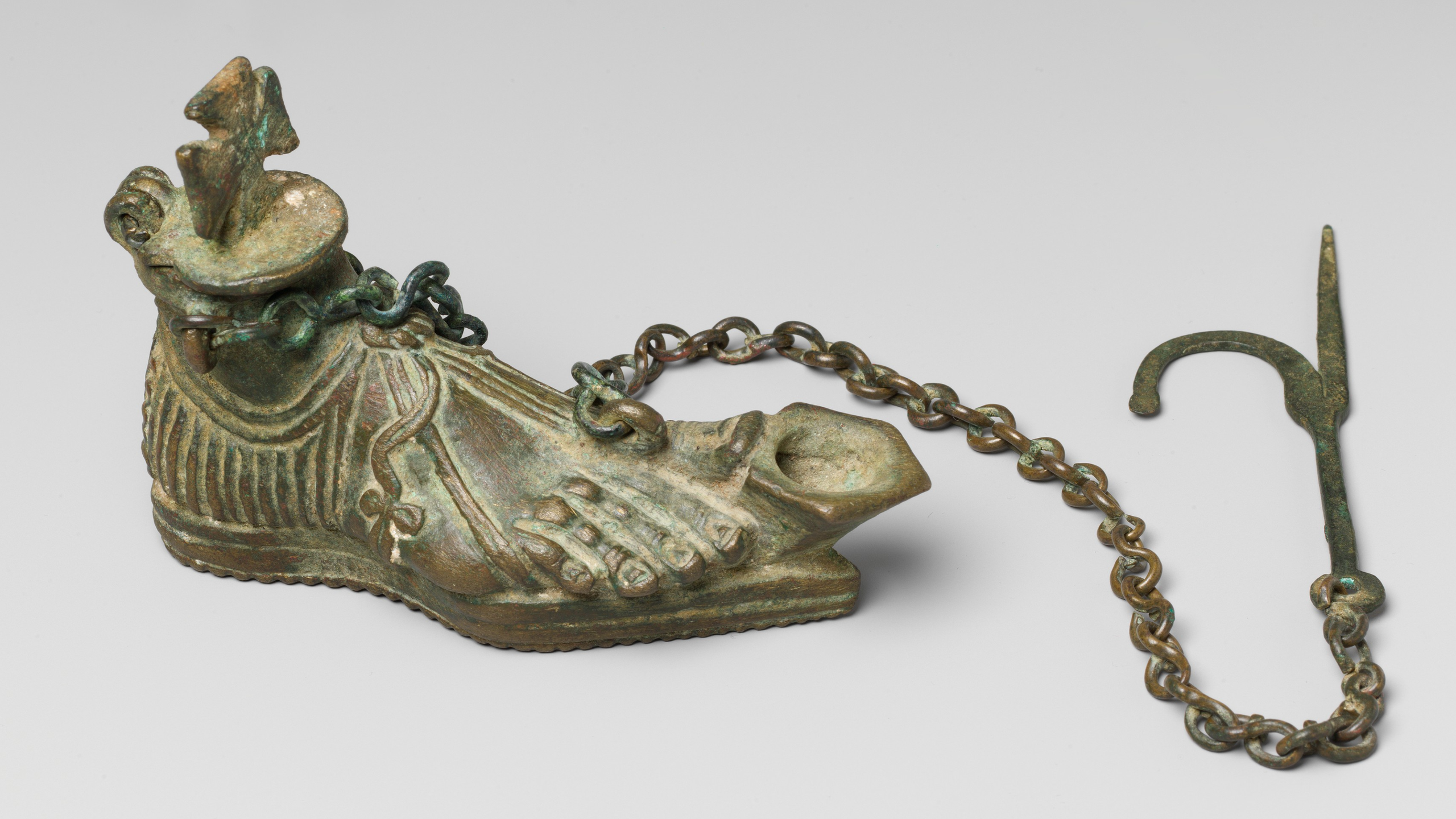
1,600-year-old bronze foot-shaped lamp from Byzantine Syria reveals early Christian symbolism
A rare 1,600-year-old bronze oil lamp shaped like a sandaled right foot from the Byzantine Empire (fifth century, Syria) is examined. The fo
livescience.com·12d ago
AI and Particle Accelerator Used to Read 2,000-Year-Old Herculaneum Scroll for First Time
Researchers have achieved the first complete reading of a carbonized Herculaneum scroll that was buried and burned during the Mount Vesuvius
%22 d=%22M44,140.1h42.8V272H54.9c0-0.1,0-103.8,0-103.8H44V140.1z M44,1c28.4,0,42.6,16.2,42.6,42.2v66.1H54.9V43.8 c0-7.2-3.1-11.7-10.6-11.7c-7,0-10.6,4.2-10.6,11.7c0,0,0,228.1,0,228.2H0.2c0-0.5,0-228.8,0-228.8C0.1,16.8,14.8,1,44,1L44,1z%22/></svg>) ground.news·9d ago
ground.news·9d ago
Ancient ring discovered underground in Scotland could be a Stonehenge-like monument
God Sleeps in the Minerals
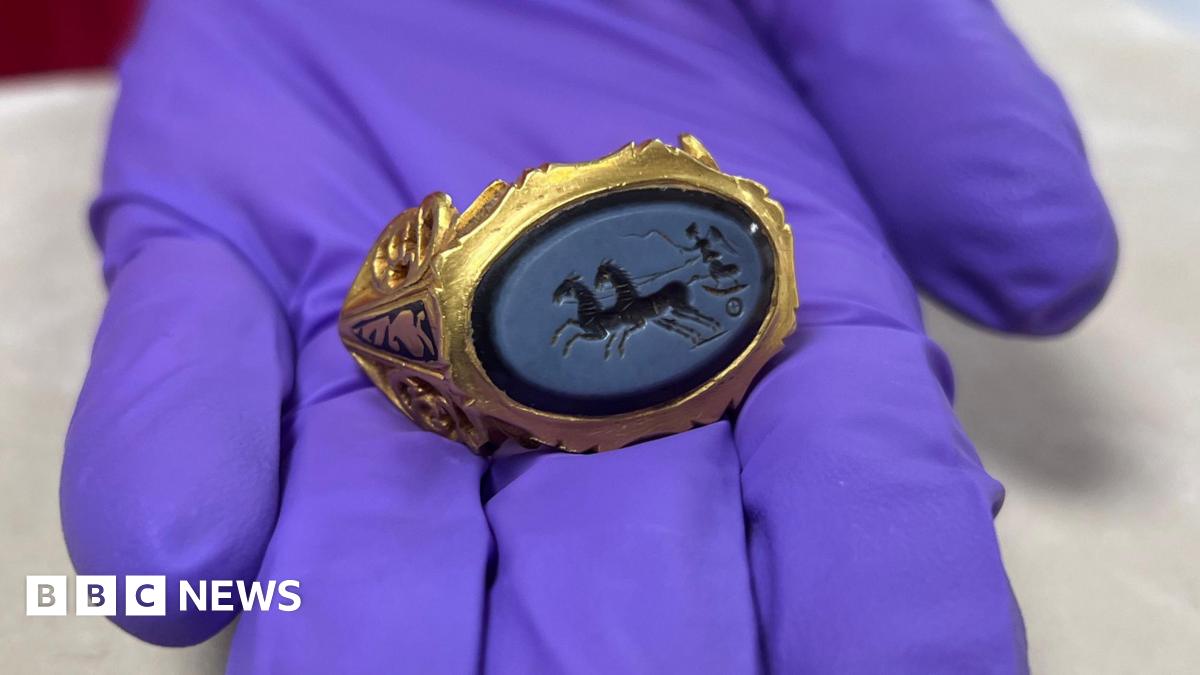
Roman gold ring discovered in Somerset reveals wealthy inhabitants navigated 3rd-century unrest
A large gold ring discovered in Somerset, dating back to 297 AD, is described as a "nationally significant find." The ring, known as the Ilm
 bbc.co.uk·1mo ago
Comments
Sign in to join the conversation.
No comments yet. Be the first.