
























The Historical Origins of 80×24 and 80×25 Display Standards: IBM's Market Influence
What explains the popularity of terminals with 80×24 and 80×25 displays? A recent blog post " 80x25 " motivated me to investigate this. The ...
Read the full articleYou might also wanna read

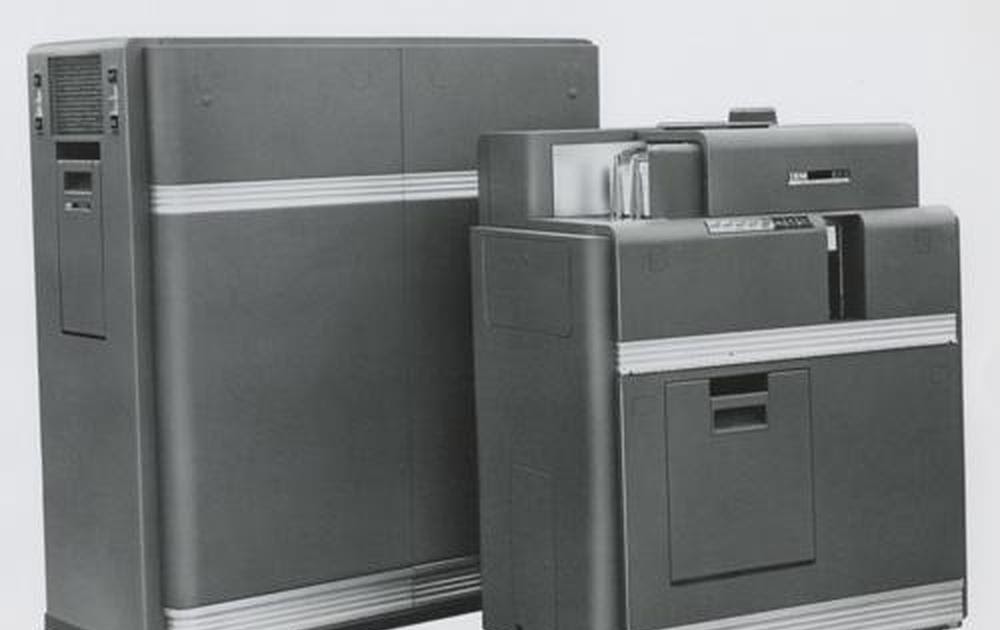
Restoring and powering up a vacuum-tube module from IBM's 1948 electronic calculator
1948 was an interesting time for computing. For decades, businesses had used punch card equipment that added and sorted electromechanically.
 righto.com·1mo ago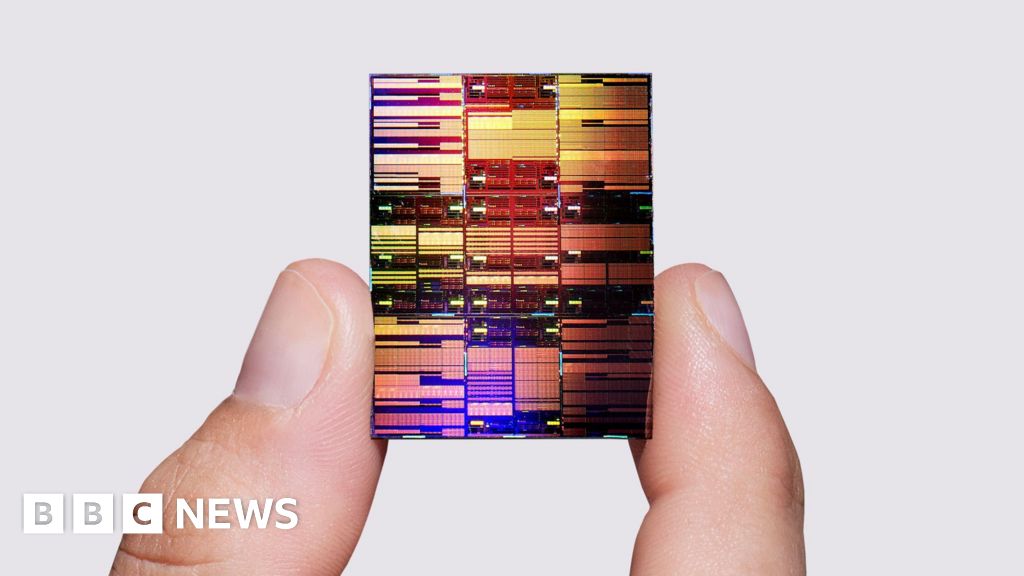
IBM unveils sub-1 nanometre chip design, packing 100 billion transistors on a fingernail-sized surface
IBM says it has created the world's first known chip tech below 1 nanometre - but it will be some time before it's ready for production.
 bbc.com·21d ago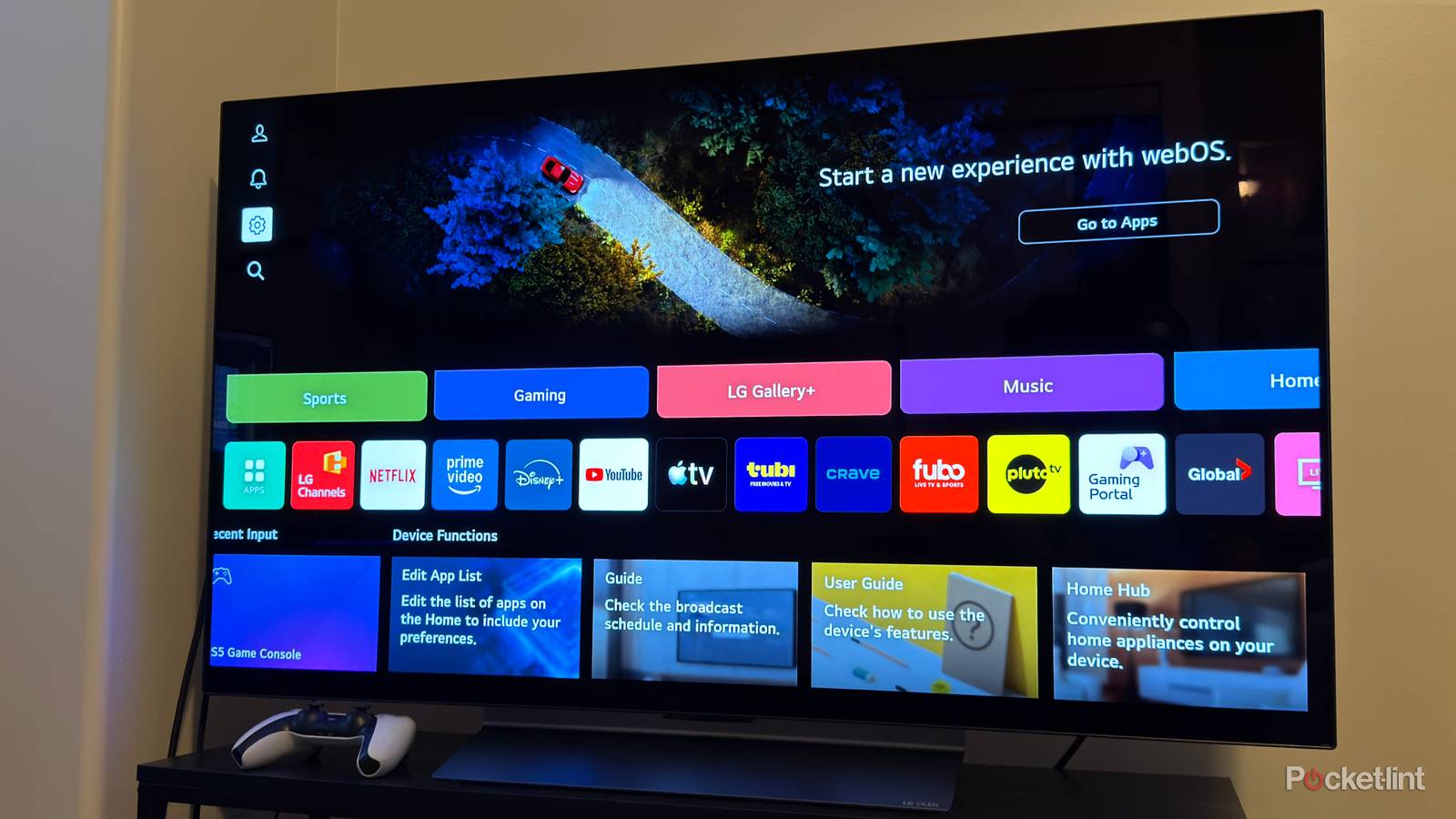
A practical guide to TV standards: resolution, display types, and what actually matters
Discover the truth about TV branding
 pocket-lint.com·25d ago
IBM unveils 0.7-nanometer chip with nearly 100 billion transistors, doubling density of 2nm design
IBM unveils the groundbreaking 0.7 nanometer chip, setting a new standard in technology with the first sub-1 nanometer design. Discover the
 rswebsols.com·19d ago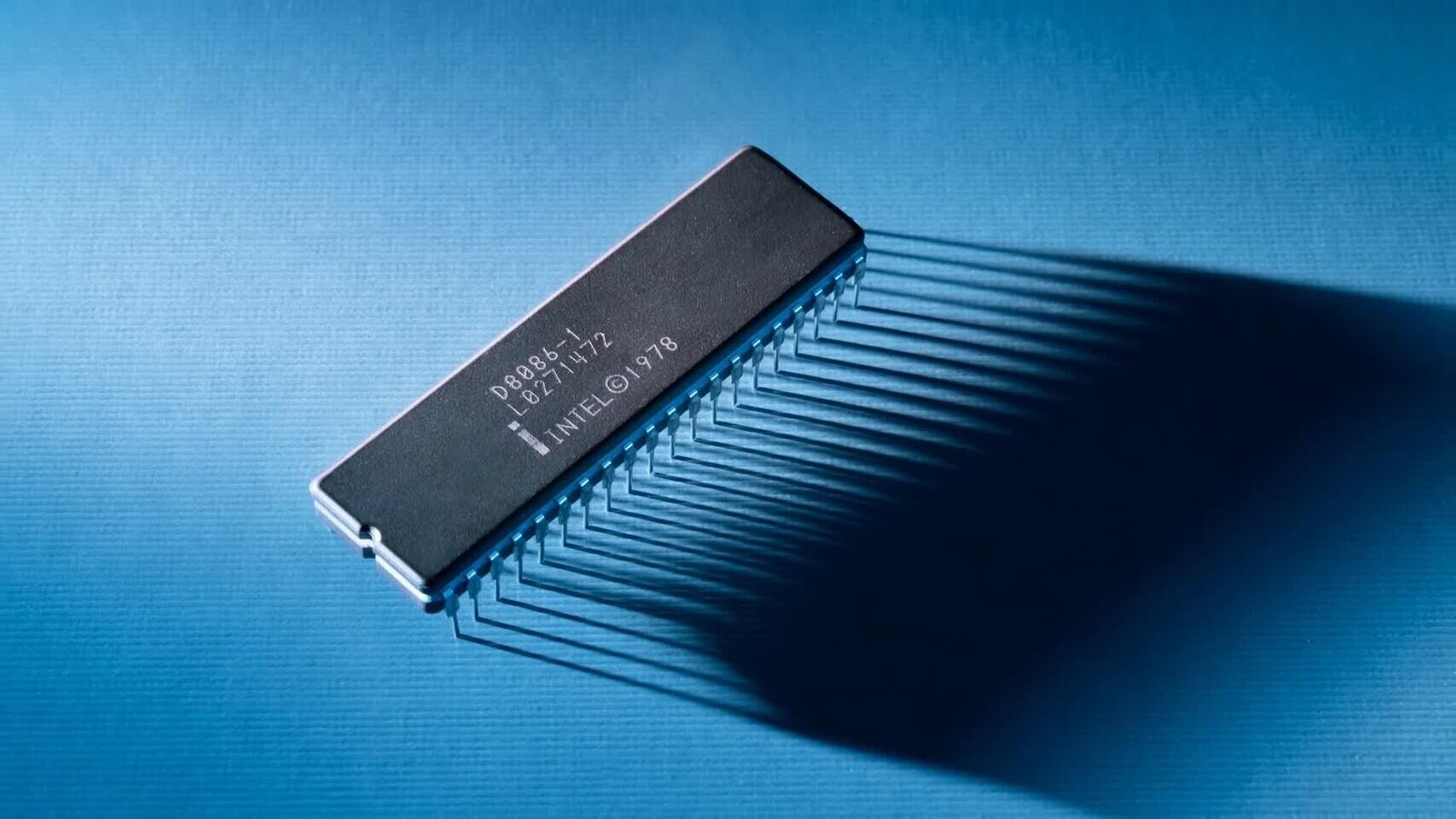
Intel 8086, the first x86 chip, marks 48 years since its 1978 debut
Intel on Monday celebrated 48 years of the 8086, the microprocessor that laid the foundation of its breadwinning x86 microarchitecture. Intr
 techpowerup.com·1mo ago
Understanding FORTRAN 77's column-oriented format: A retrospective on punched card programming
When I was an undergraduate physics student, everyone in my program had to learn how to write programs in FORTRAN 77. While Fortran 90 (with
Comments
Sign in to join the conversation.
No comments yet. Be the first.