
























The Historical Development and Fundamental Questions of Artificial Intelligence
Why is the essential promise of technology—the alleviation of drudgery—not enough? Maybe, in the case of AI, because it remains unclear what drudgery it can realistically alleviate.
Read the full articleYou might also wanna read


Annotated Historical Timeline of Modern AI and Deep Learning Foundations
Machine learning (ML) is the science of credit assignment. It seeks to find patterns in observations that explain and predict the consequenc
 arxiv.org·8d ago
70 Years of AI: Tracing the Journey from Dartmouth Research Project to Transformative Technology
Tracing AI’s journey from research project to transformative tech
 spectrum.ieee.org·23d ago
70 Years of AI: Tracing the Journey from Dartmouth Research Project to Transformative Technology
Tracing AI’s journey from research project to transformative tech
IEEE·23d ago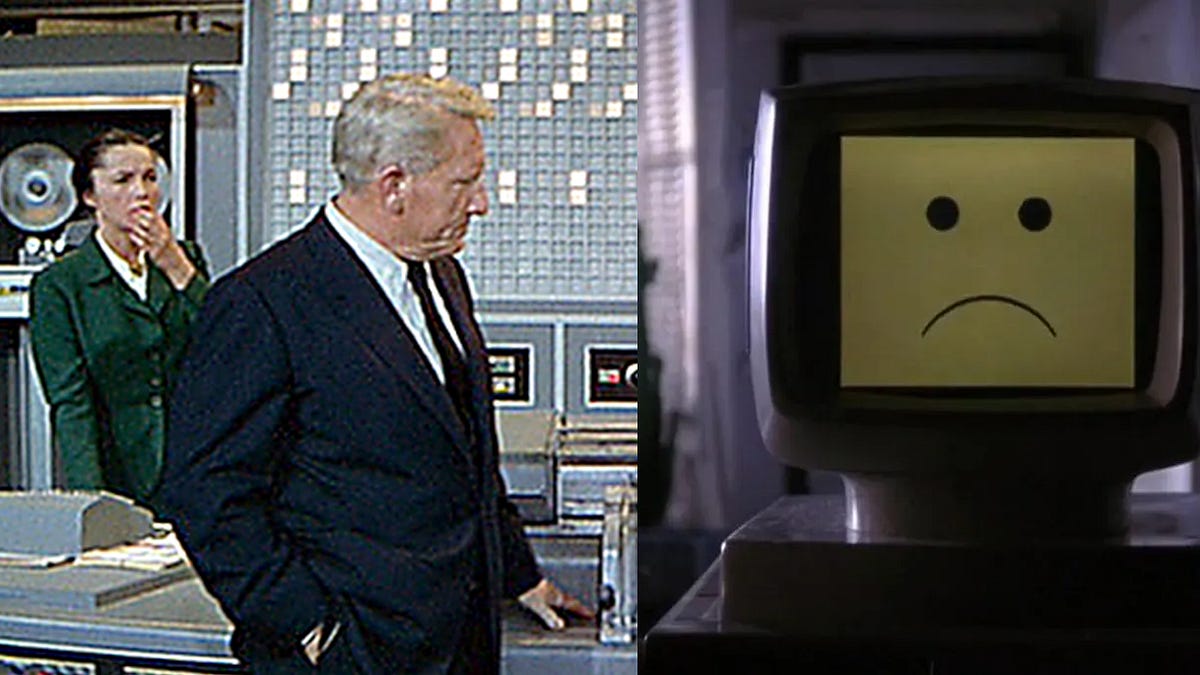
AI Through the Lens of Classic Cinema: A Critique of Technological Scale Over Originality
I guess I'm finally writing a post about AI
 jeffisawesome.substack.com·1mo ago
The erosion of human agency in the age of AI and how to resist it
We must move beyond the aspiration for autonomy to action for its sake. Noticing that we are at risk and resisting the danger are cognitive
 psychologytoday.com·1mo ago
AI development pivots to simulated worlds as chatbot limitations become apparent
In pursuit of human-level intelligence, researchers are developing agents that learn by acting in virtual environments rather than simply ab
 science.org·20d ago
AI's Impact on Software Engineering: Evolution or Replacement?
With vibe-coding, what I find most useful isn’t even writing code but understanding it.
 The Verge·10mo ago
Comments
Sign in to join the conversation.
No comments yet. Be the first.