
























The Hidden Economy of IPv4 Address Leasing and Market Manipulation
The IPv4 "exhaustion" is not real. The addresses got hoarded and the market devolved into a wild sub-leasing economy where anyone can choose where their IPs appear from, who owns them on paper, and…
Read the full articleYou might also wanna read


The Sovereignty Spectrum: Evaluating VMware, Nutanix, Pextra, and the Reality of Private Cloud Independence
Subtitle: A technical, contractual, and jurisdictional analysis of whether modern private cloud platforms deliver true sovereignty—or locali
From $5 Attacks to Botnet-Powered Platforms: Inside the DDoS-as-a- Service Market
From $5 Attacks to Botnet-Powered Platforms: Inside the DDoS-as-a- Service Market #cybersecurity #hacking #news #infosec #security #technolo
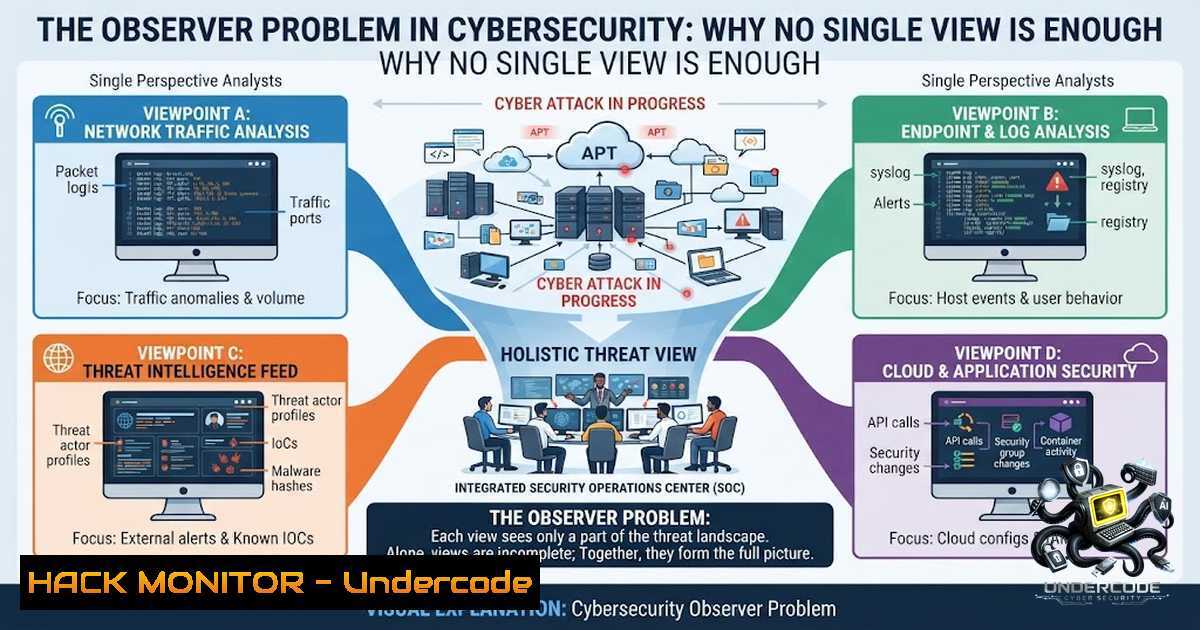
The Observer Problem in Cybersecurity: Recovering Global Truth from Fragmented Data in Zero-Trust Architecture
The Observer Problem in Cybersecurity: Why No Single View Is Enough + Video - "Undercode Testing": Monitor hackers like a pro. Get real-time
 undercodetesting.com·6d ago
MCP Attack Vectors: Tool Poisoning, Prompt Injection, and How to Defend Against Them
A practical guide to MCP security threats — tool poisoning, prompt injection, supply chain attacks, and shadow servers — with real-world inc
Europe’s Technological Sovereignty Package: Cloud, Chips, and the New Market-Access Test for Tech Providers
......

Study Reveals Invisible Manipulation Vulnerability in AI Financial Advisory Systems That Evades All Current Detection Methods
AI systems are increasingly deployed for credit assessment and investment advisory in global financial markets, yet the integrity of their i
 arxiv.org·1mo ago
Comments
Sign in to join the conversation.
No comments yet. Be the first.