
























Greenspan's 1990s playbook offers a warning for the US-China AI race: don't let backward-looking data stifle investment
Summary
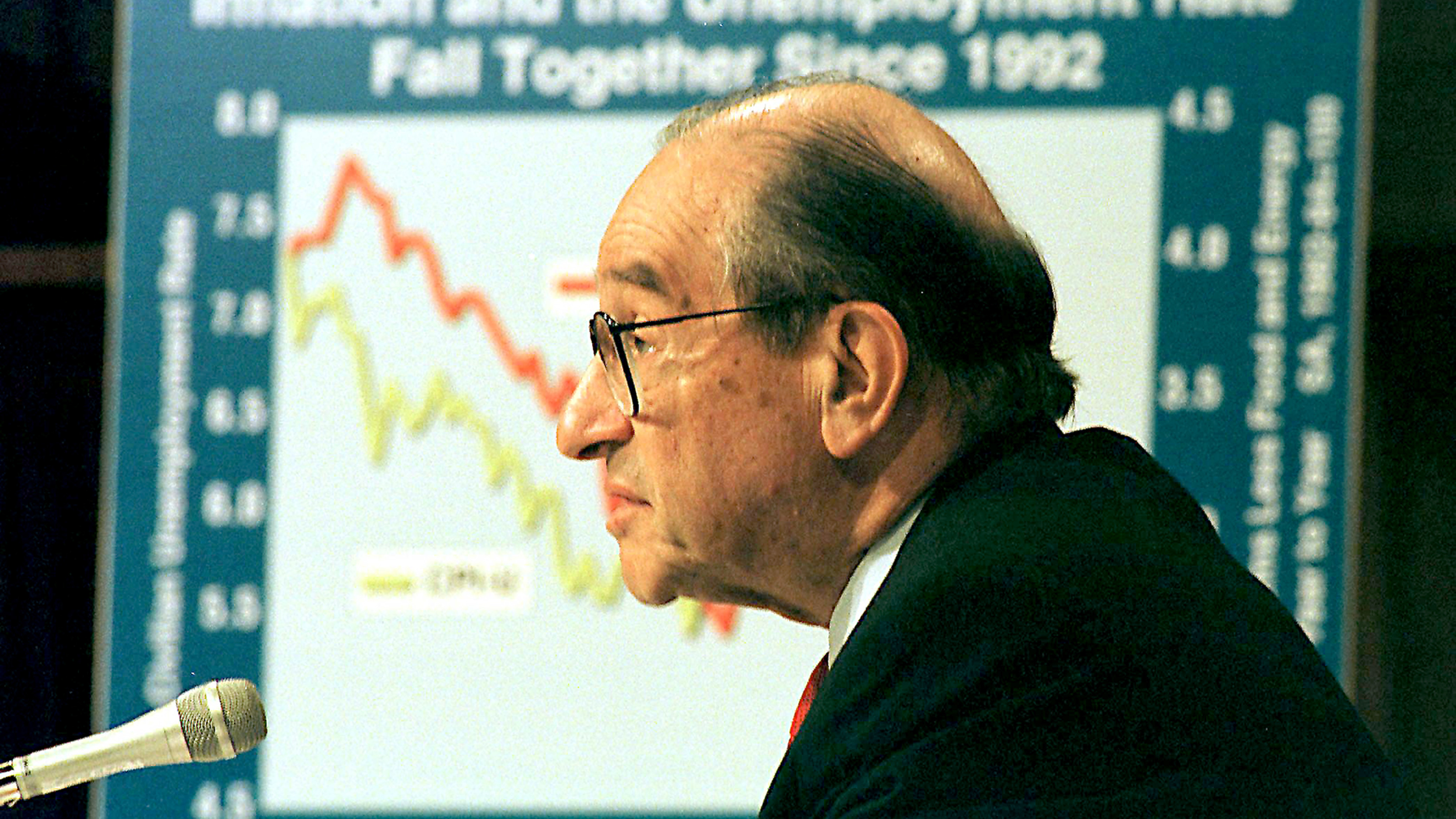
Senior Fellow Karl Smith argues that Alan Greenspan's approach to monetary policy during the productivity boom of the 1990s offers a critical lesson for the current AI race against China. The core insight is that macroeconomic data is inherently backward-looking and can mislead policymakers during periods of rapid technological transformation. Smith contends that winning the AI race requires massive U.S. corporate borrowing (trillions of dollars) to finance data centers, power generation, autonomous vehicle factories, and satellite infrastructure. The Federal Reserve must avoid stifling this productivity revolution by raising rates based on outdated economic indicators. If U.S. institutions misread the current productivity shift, they risk slower AI investment and a weakened long-term competitive position against China.
Source
 bskyGreenspan's 1990s playbook offers a warning for the US-China AI race: don't let backward-looking data stifle investmentcsis.org
Key quotes
· 5 pulledWinning the AI race against China is going to take a gargantuan amount of patience.
It will require U.S. corporations to borrow trillions of dollars to finance the massive physical capital investment required to outpace China.
Deft monetary policy plays a crucial role in U.S. economic security.
In particular, the Federal Reserve should avoid stifling the productivity revolution.
If U.S. institutions misread a new productivity shift, they risk higher rates, slower AI investment, and a weaker long-term tech position.
You might also wanna read


AI’s Macroeconomic Challenges and Promises

Fed Chair Powell: AI Spending Boom Differs from Dotcom Bubble Due to Actual Earnings and Productivity Focus
Federal Reserve Chair Jerome Powell states that the current AI spending boom differs from the dotcom bubble because AI companies have actual
 fortune.com·8mo ago
The AI investment boom is diverting capital from the broader U.S. economy
This guest essay argues that the massive capital mobilization for AI infrastructure — topping $1 trillion annually — is actually strangling
 nytimes.com·5d ago
The AI investment boom is diverting capital from the broader U.S. economy
This guest essay argues that the massive capital mobilization for AI infrastructure — topping $1 trillion annually — is actually strangling
nytimes.com·5d agoWill AI lower interest rates?

Howard Marks Analyzes Whether AI Investment Represents a Market Bubble
Howard Marks examines whether artificial intelligence represents a market bubble, drawing parallels to historical bubbles while acknowledgin
 oaktreecapital.com·6mo ago
Gary Marcus calls AI scaling investments 'greatest capital misallocation in history,' sees opportunity for cheaper Chinese models
Gary Marcus, NYU emeritus professor, argues that massive investments into scaling AI represent the "greatest capital misallocation in histor
 cnbc.com·8d ago
Comments
Sign in to join the conversation.
No comments yet. Be the first.