
























How messaging scams exploit trust and speed to steal your money
By
Kaspersky Team
Summary
This article examines the growing threat of messaging-based scams, where criminals exploit the speed and trust inherent in instant communication to defraud victims. Kaspersky experts analyze the full lifecycle of these scams, from initial contact to financial loss, and provide statistics on the scale of the problem along with practical advice on how to recognize and avoid falling victim to such schemes.
Source

 bskyHow messaging scams exploit trust and speed to steal your moneykaspersky.com
Key quotes
· 3 pulledIt starts with the familiar: a short message, a trusted name, a routine tone.
That's why messaging scams cut deep: they exploit everyday habits where instinct, not caution, leads.
Communication once moved slowly, leaving room for doubt. Now it's instant — and that speed is a weapon in criminal hands.
You might also wanna read


Gift Card Fraud: How Policy Tradeoffs Create Security Gaps That Scammers Exploit
The article examines how gift cards have become a major tool for financial scams, particularly targeting vulnerable populations like the eld
 bitsaboutmoney.com·6mo ago
Qualitative Analysis of Pig-Butchering Scams: Victim Interviews Reveal Complex Fraud Lifecycle
This research paper presents the first qualitative analysis of pig-butchering scams, based on interviews with 26 victims. The study examines
 arxiv.org·9mo ago
Foreign Scammers Exploit U.S. Banks to Target Americans
The article discusses how foreign scammers use U.S. banks to defraud Americans, focusing on a specific case involving Brian Maloney Jr. and
propublica.org·1y ago
Scams are evolving – here’s how to stay safe

Researcher Analyzes 3,000 Live ClickFix Payloads, Exposing API-Driven Malware Delivery
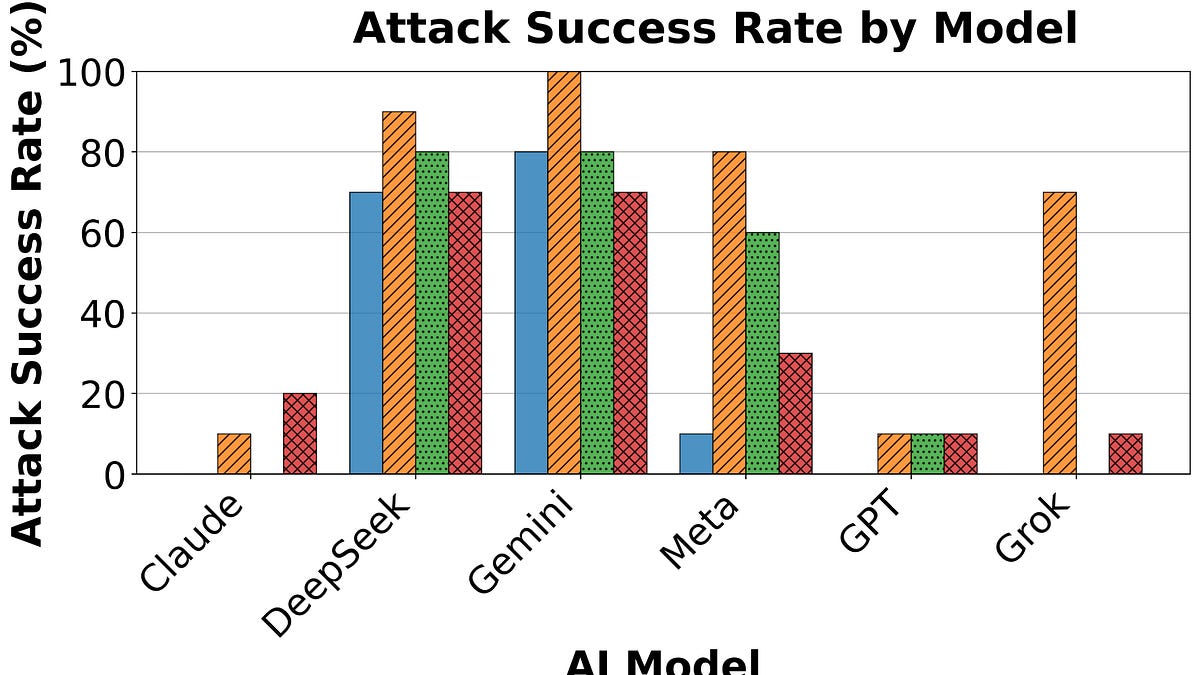
Research Study: AI Models Can Be Exploited for Elderly Scam Targeting
Researchers collaborated with Reuters to investigate how AI systems can be exploited for scams targeting elderly people. The study examined
 simonlermen.substack.com·7mo ago
Comments
Sign in to join the conversation.
No comments yet. Be the first.