
























The Featherweight Giant: Unraveling the Atmosphere of a 17 Myr Planet with JWST
Pa Chia Thao et al 2024 AJ 168 297 A purported hot Jupiter gets rebranded as a low-density precursor to a sub-Neptune that may lose its atmospheric envelope entirely within a billion years. The post…
Read the full articleYou might also wanna read

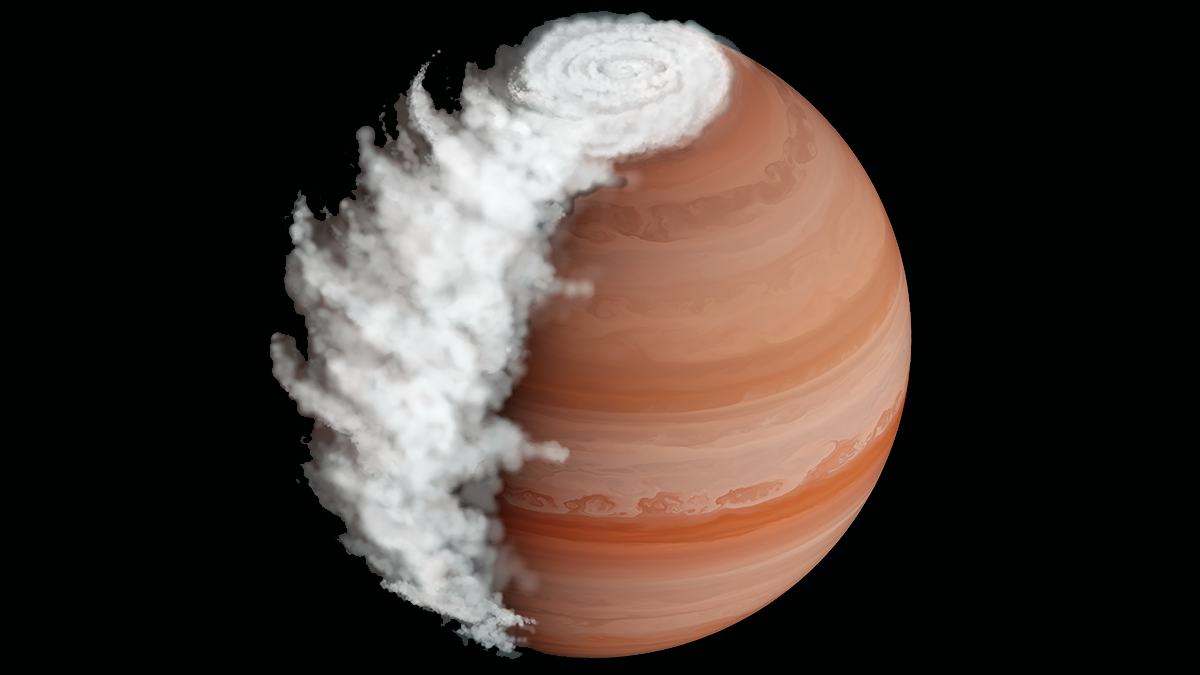
JWST Reveals WASP-39b Has Cloudy Mornings and Clear Evenings, Solving Longstanding Exoplanet Mystery
An improved weather forecast for an exoplanet 700 light-years away has revealed new details about its true chemical composition, clarifying
 eos.org·23d ago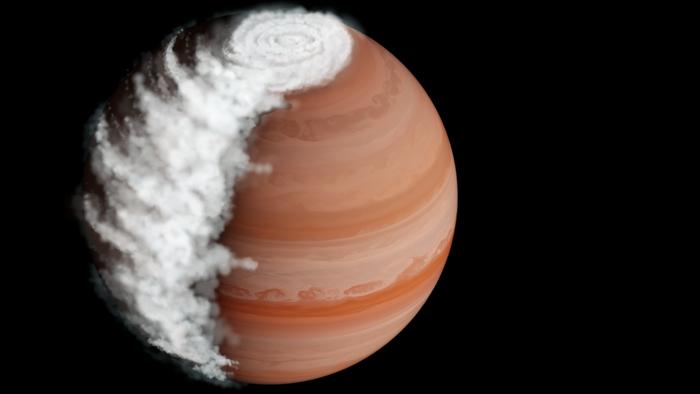
JWST reveals asymmetric cloud cycle on hot Jupiter exoplanet WASP-94A b
New observations by the JWST provide a much clearer understanding of clouds on a distant world
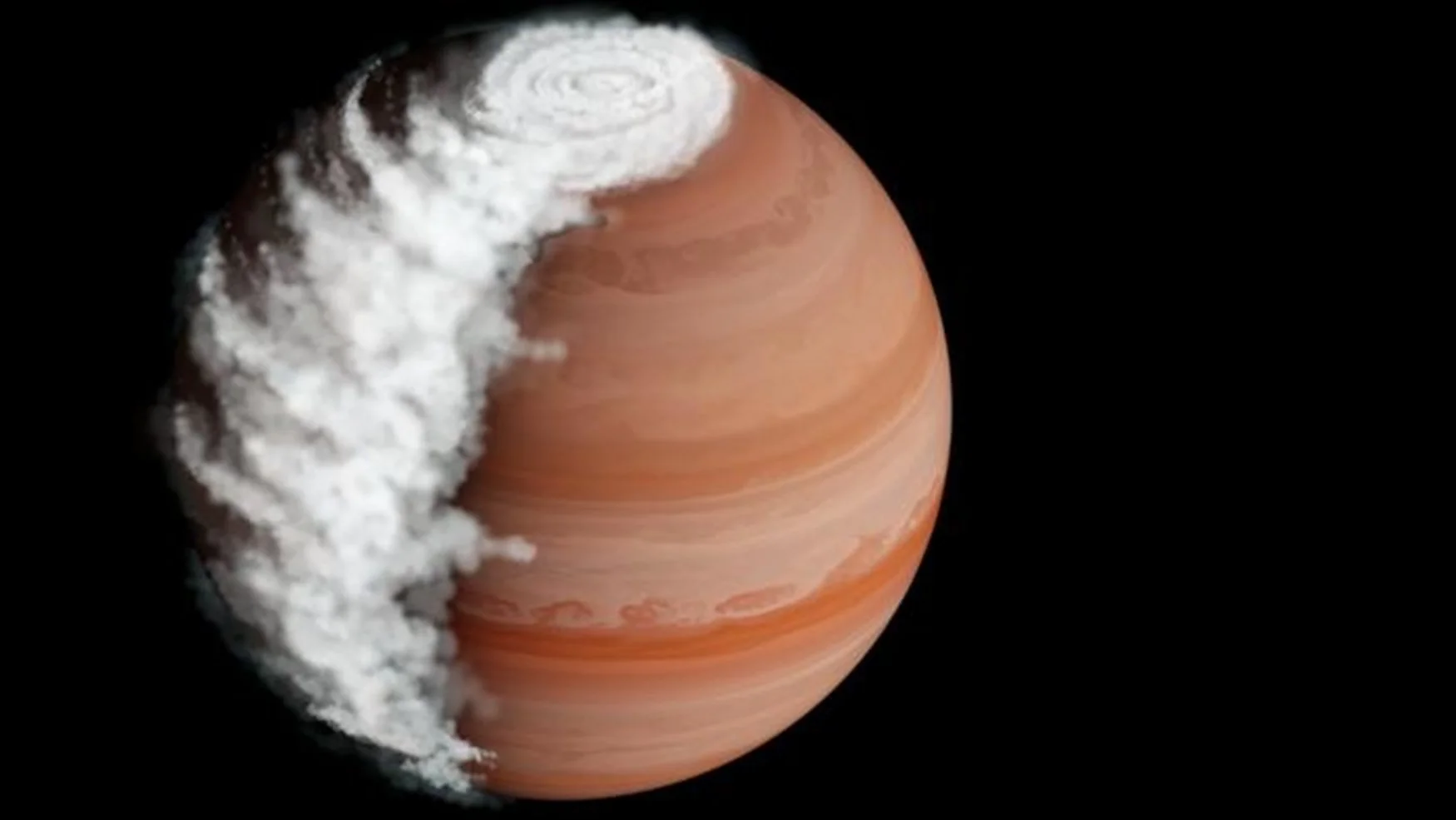
JWST reveals surprising atmospheric changes from morning to evening on Hot Jupiter WASP-94A b
A distant giant planet has been hiding clues in its clouds. Now, the James Webb Space Telescope has revealed that its atmosphere changes in
 universal-sci.com·4d ago
There is a planet that survived the death of its star, and now we know how it did it.
The giant planet WD 1856 b, which survived a dead star, offers clues about atmospheres, orbital migration, and the distant future of our Sol

Candidate Giant Planet Detected in Habitable Zone of α Cen A via JWST Observations
We report on coronagraphic observations of the nearest solar-type star, $α$ Cen A, using the MIRI instrument on the James Webb Space Telesco
 arxiv.org·11mo ago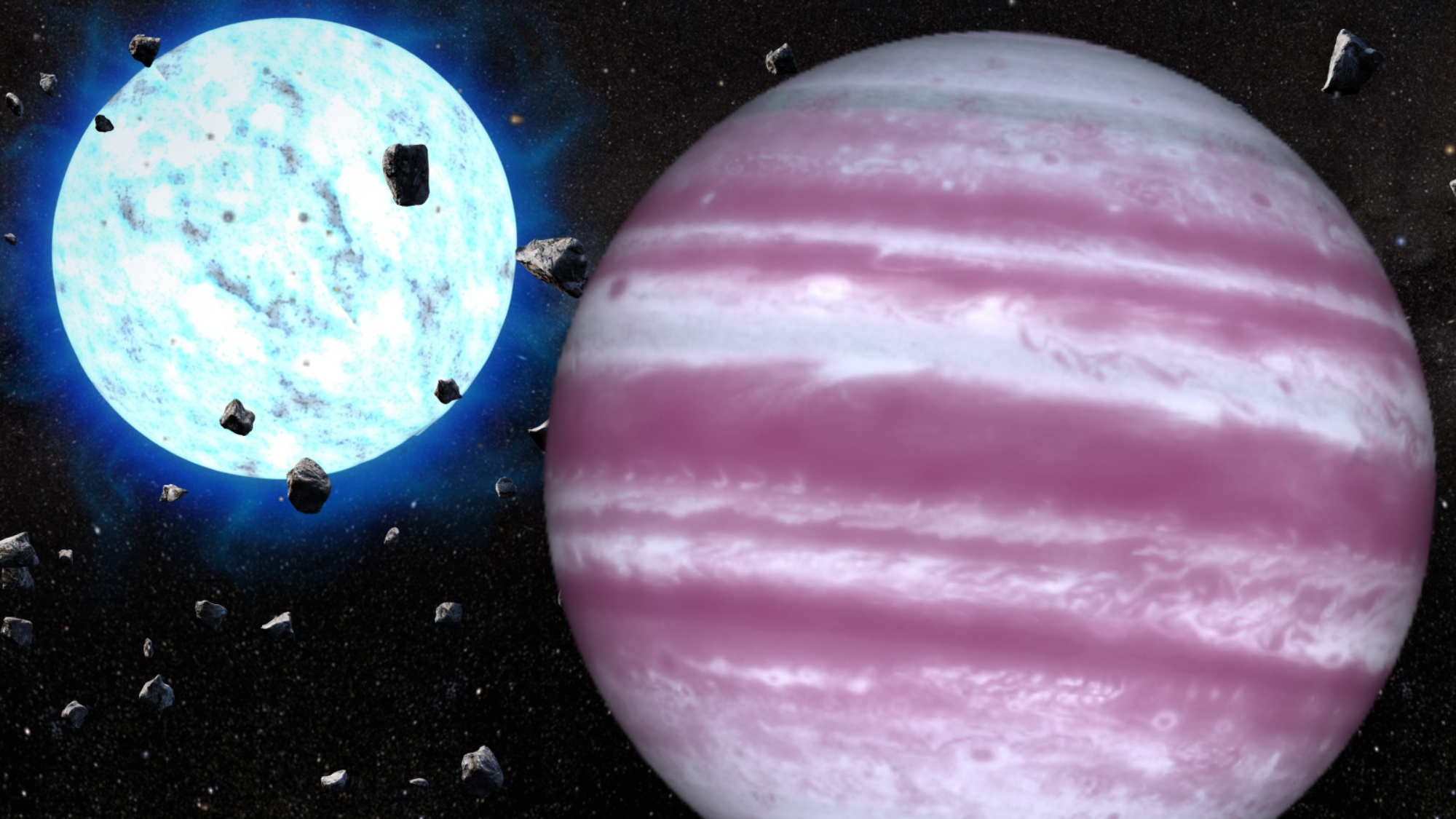
James Webb Space Telescope observes gas giant orbiting a dead white dwarf star, foreshadowing the solar system's distant future
"It's like using a time machine to peer into the distant future of our solar system."
 Space·7d ago
James Webb Space Telescope observes gas giant orbiting a dead white dwarf star, foreshadowing the solar system's distant future
"It's like using a time machine to peer into the distant future of our solar system."
space.com·7d agoJames Webb Space Telescope observes gas giant orbiting a dead white dwarf star, foreshadowing the solar system's distant future
"It's like using a time machine to peer into the distant future of our solar system."
space.com·7d ago
Comments
Sign in to join the conversation.
No comments yet. Be the first.