
























Calculating the Energetic Costs of Cellular Computation in Ligand Concentration Sensing
Cells often perform computations in response to environmental cues. A simple example is the classic problem, first considered by Berg and Purcell, of determining the concentration of a chemical…
Read the full articleYou might also wanna read
Study Examines the Energy Price Cells Pay to Process Biological Information
A 2012 academic paper published on arXiv investigates the energetic costs associated with computation performed by biological cells. The res


Quantum Computing Applied to Protein–Ligand Binding Energy Calculations for Drug Discovery
We analyzed the performance of quantum algorithms for studying protein–ligand systems, using both simulator and real hardware. To achieve th
 pubs.acs.org·2d ago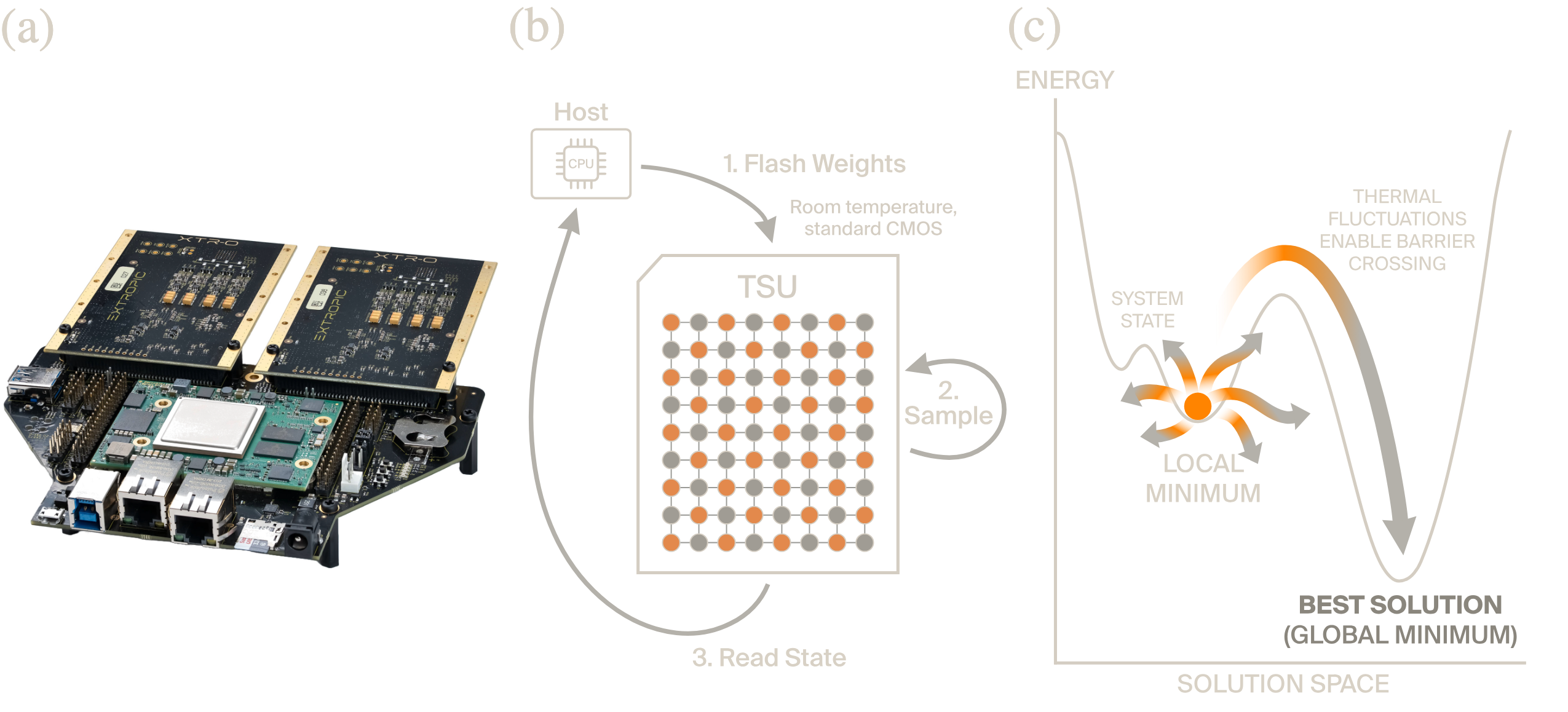
Extropic presents first pharmaceutical application for thermodynamic computing hardware with codon optimization
Energy-efficient Codon Optimization on Thermodynamic Hardware. An Extropic paper, rendered in the THRML docs theme.

Energy constraint model of human health: How metabolic trade-offs shape aging and disease
Evolved constraints to human energy transformation force the body–brain system to operate an economy of energy. To survive and thrive, an or
Energy constraint model of human health: How metabolic trade-offs shape aging and disease
Evolved constraints to human energy transformation force the body–brain system to operate an economy of energy. To survive and thrive, an or
The rhythm that guides cell division
Yale scientists have found that cells compute their size using membrane signaling waves, revealing a new insight into biological information
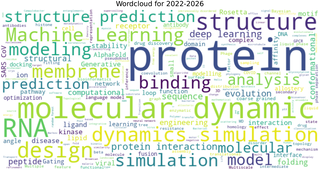
The future of computational biology for macromolecules in the age of AI: challenges and opportunities
We have seen more progress in computational biology for macromolecules in the last five years than we experienced in the five preceding deca
 journals.plos.org·3d ago
The future of computational biology for macromolecules in the age of AI: challenges and opportunities
We have seen more progress in computational biology for macromolecules in the last five years than we experienced in the five preceding deca
journals.plos.org·3d ago
Comments
Sign in to join the conversation.
No comments yet. Be the first.