
























The Economic Paradox: Why Air Conditioning Units Are Cheap But Repairs Are Expensive
The Baumol Effect and Jevons paradox are related
Read the full articleYou might also wanna read

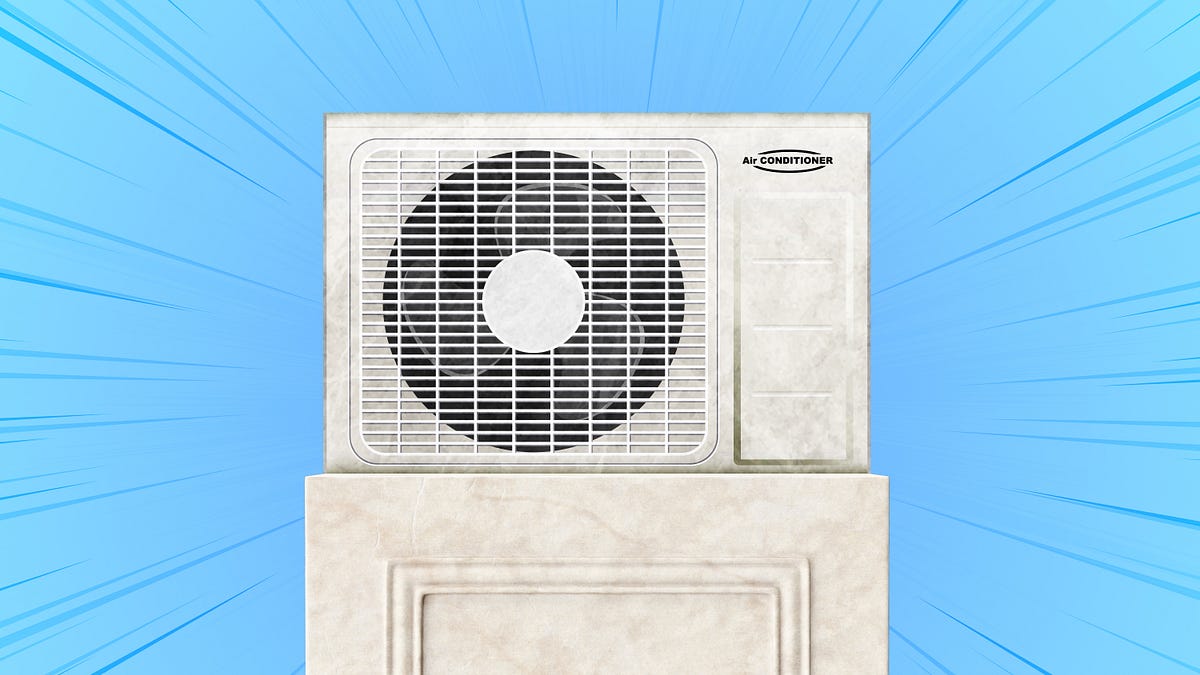
The Air Conditioning Paradox: Cooling Lives While Warming the Planet
Europe makes it too hard to install A/C. But the U.S. makes it too hard to power A/C with clean energy.
 lnk.thebulwark.com·10d ago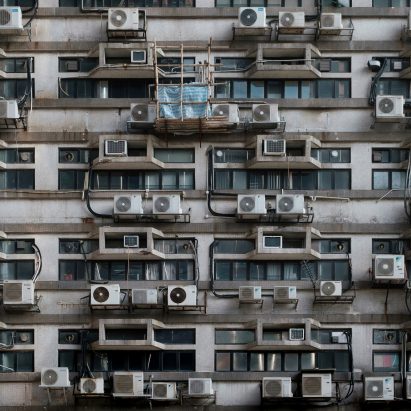
The Environmental Challenge of Global Air Conditioning Demand
As global temperatures rise demand for cooling systems is increasing, but energy-hungry air conditioning risks making the situation worse. S
 Dezeen·10mo ago
The Economic Paradox of Trump's On-Again, Off-Again War with Iran
Businesses and consumers are struggling with a bizarre conflict that is simultaneously happening and not happening.
 theatlantic.com·6d ago
AI's dual impact on prices: short-term hikes from data center demand, long-term hopes for cheaper goods
Apple announced it’s raising prices on some iPads and MacBooks this week, citing the rising price of memory and storage devices. But some ec
 marketplace.org·17d ago
Why Unexpected Appliance Repairs Derail Household Budgets
How unexpected expenditures can do serious damage to your household budget, and why a home warranty can be the critical differentiating fact
Market Realist·1mo ago

The Economic Paradox of Open Source Software: How Free Libraries Power a Billion-Dollar Industry
Ten million downloads a week, one maintainer, zero dollars.
nesbitt.io·25d ago
Comments
Sign in to join the conversation.
No comments yet. Be the first.