
























The Early Modern Camera Obscura: A Historical Exploration of Its Uses and Impact
Centuries before photography froze the world into neat frames, scientists, poets, and artists streamed transient images into dark interior spaces with the help of a camera obscura. Julie Park…
Read the full articleYou might also wanna read
From Veritasium: What If You Keep Slowing Down?
Camera Culture research uses single-pixel imaging to capture light in motion at trillion-frame-per-second speeds, revealing the invisible.

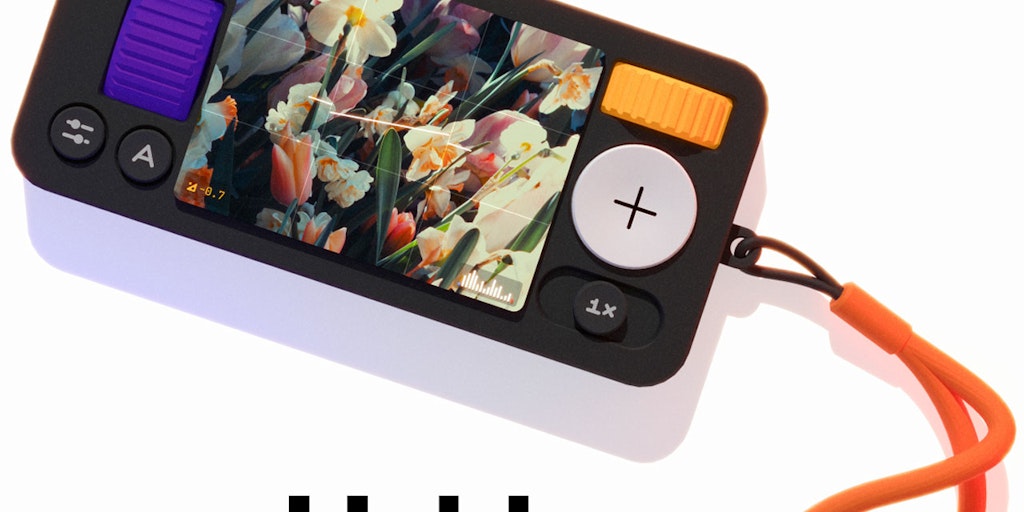
(Not Boring) Camera App: A Creative Photography Tool Focused on Fun Over Technical Perfection
The serious camera that doesn’t take itself too seriously. Camera technology has gotten better, but our photos haven’t gotten any more inter
 Product Hunt·1y ago
Opinion: is the age of mechanical wonders over?
Modern cameras are marvels of software engineering. But as physical objects, they're much simpler than what came before.

Beyond the clichés: How photography reveals the real story of Britain's seaside towns
The most overlooked beat in British photography isn't some far-flung conflict zone; it's the end of your nearest pier. A new exhibition at B
 Creative Boom·12d ago
Between distinctive aesthetic and dangerous toxicity: A Dirty History of Photography

Forget nostalgia: Why edgy Australian photography is suddenly worth a fortune
Rather than the traditional images of the Australian bush, modern photographers are finding success with images that are often disturbing.
Comments
Sign in to join the conversation.
No comments yet. Be the first.