
























The Detectability of Coronal Mass Ejections in the Low Corona Using Multislit Extreme-Ultraviolet Spectroscopy
Lami Chan et al 2025 ApJ 984 141 Pairing a five-slit spectrometer with a new decomposition method, researchers demonstrate techniques to study coronal mass ejections while they’re still in the low…
Read the full articleYou might also wanna read


VLT Study Reveals Dramatic Nickel Emission and CN Outgassing in Interstellar Comet 3I/ATLAS
We report VLT spectroscopy of the interstellar comet 3I/ATLAS (C/2025 N1) from $r_{\rm h}\!\simeq\!4.4$ to $2.85$ au using X-shooter (300-55
 arxiv.org·10mo ago
Scientists develop mathematical tool to measure solar wind using spacecraft radio signals
A newly developed mathematical framework allows scientists to use any spacecraft's radio signal to consistently measure the speed and densit
 researchmatters.in·15d ago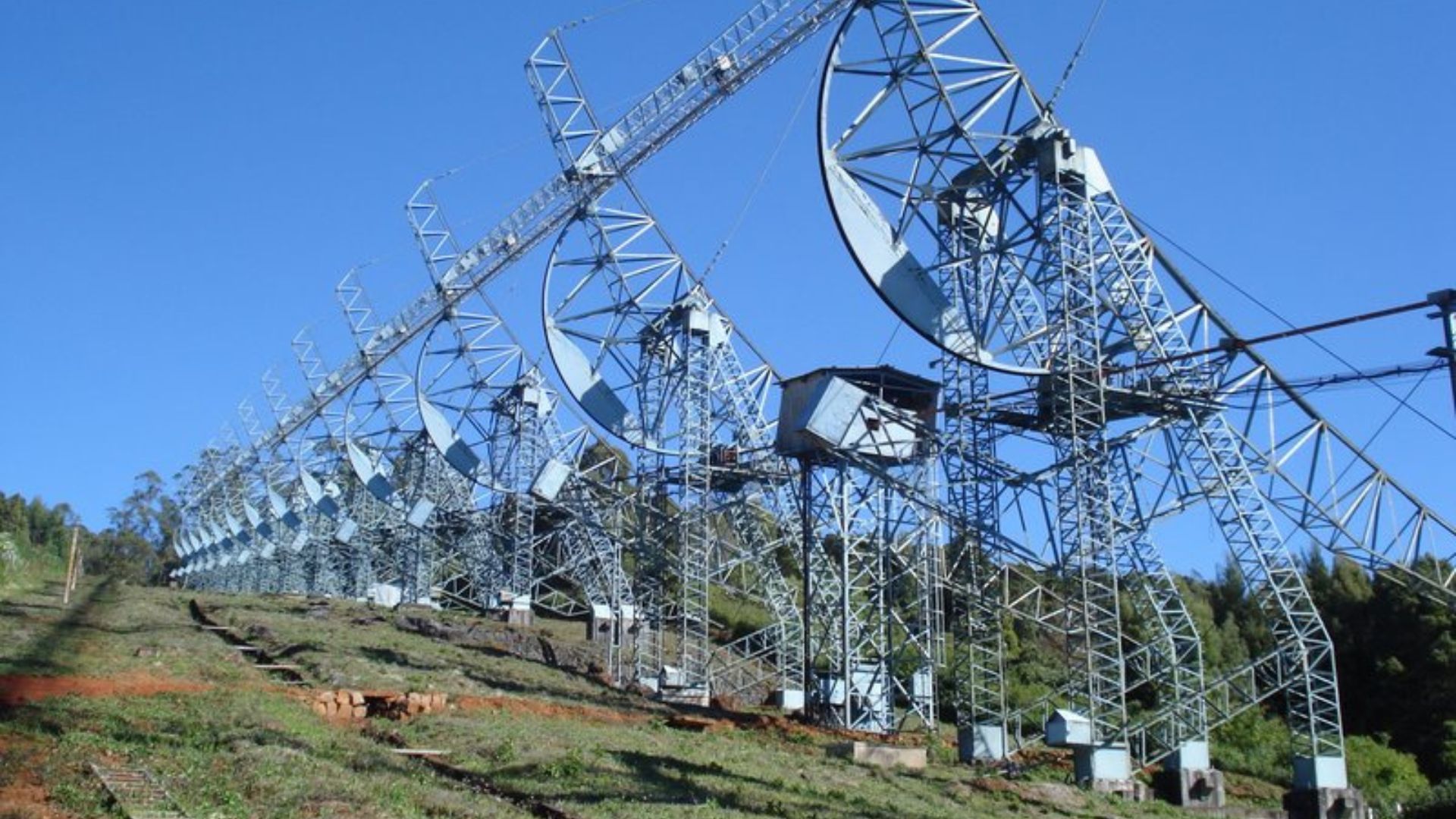
22-year study at Ooty observatory uses cosmic muon particles to monitor Earth's upper atmosphere and Sun's magnetic field
Scientists have discovered that tracking the continuous shower of subatomic particles from space allows them to simultaneously measure both
researchmatters.in·25d ago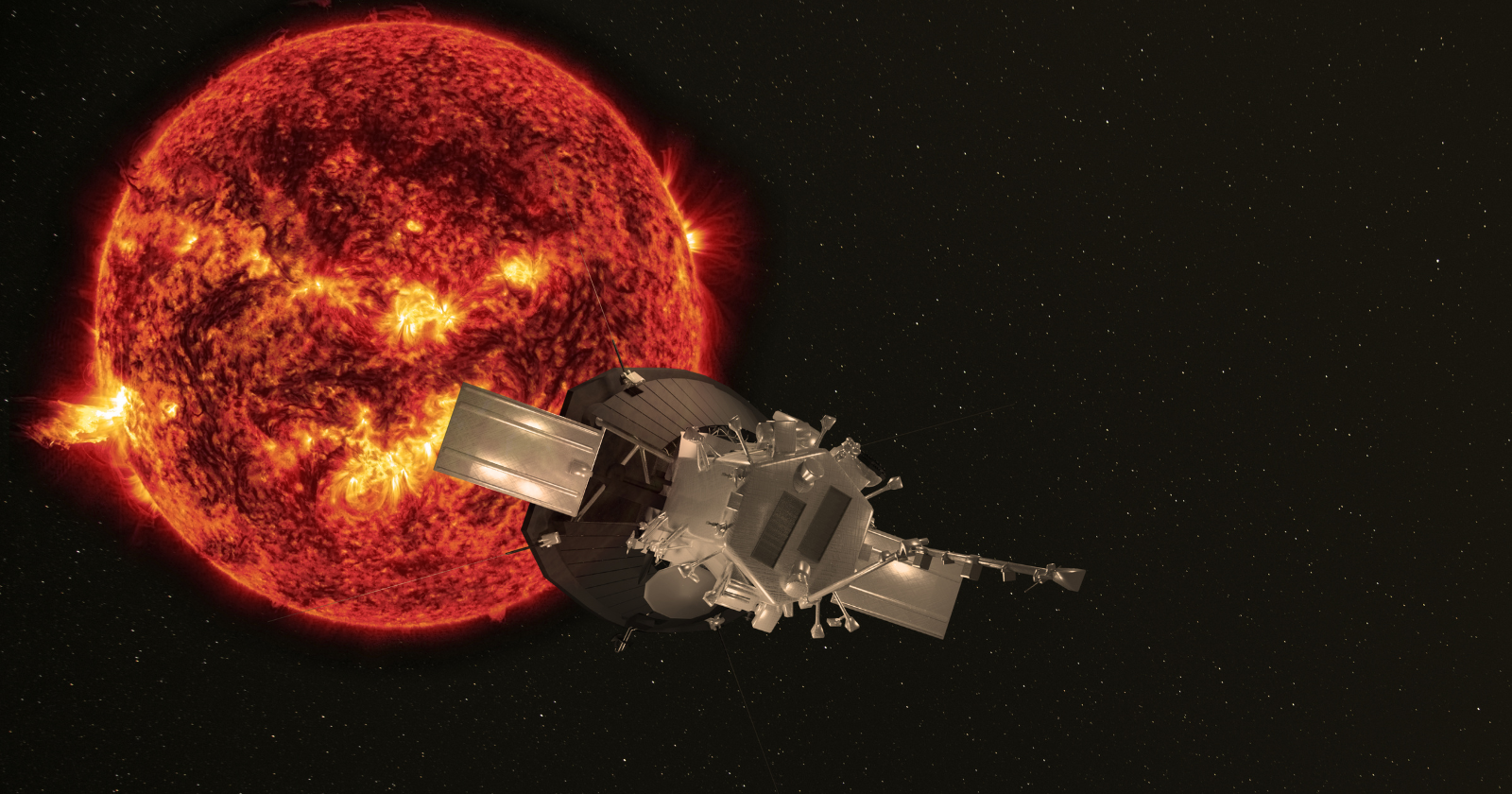
Parker Solar Probe discovers unexpected high-energy particle source in the solar corona, challenging existing models
When NASA’s Parker Solar Probe passed through the solar corona during perihelion encounters at the heliospheric current sheet, its instrumen
 spacedaily.com·19d ago
Machine Learning Validates Unrecognized Transient Astronomical Phenomena in Historical Observatory Images
Transient, star-like point sources that appear and vanish over short timescales are described in astronomical images prior to launch of Sput
arxiv.org·2mo agoDoes the Solar System look like a bullet, a croissant, or a potato? A new way to image other stars’ gaseous bubble
Researchers from KU Leuven have introduced a novel method for detecting and imaging astrospheres around other stars. This will offer interes
Comments
Sign in to join the conversation.
No comments yet. Be the first.