
























Scientists edge closer to detecting invisible dark matter that shapes galaxies
Summary
This article explores the mystery of dark matter and dark energy — invisible substances that scientists believe make up most of the universe. Dark matter does not emit, absorb, or reflect light, making it nearly impossible to observe directly, yet its gravitational effects on galaxies and galaxy clusters provide strong evidence for its existence. Dark energy is a separate concept describing the force driving the universe's expansion. The article discusses how researchers are approaching the detection of these elusive phenomena, potentially answering one of astronomy's hardest questions about what most of the matter in the universe is made of.
Source
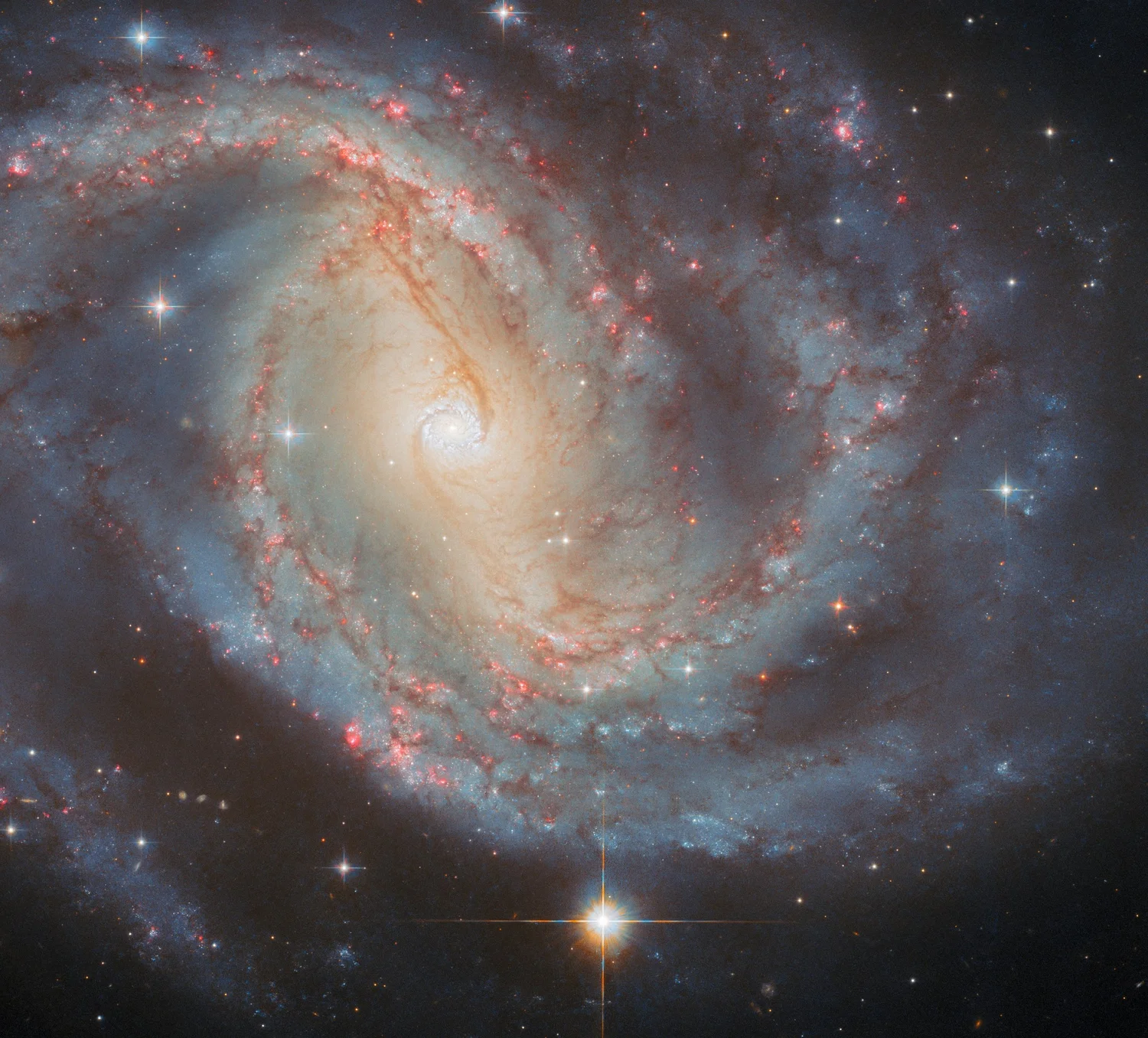
 Twitter / XScientists edge closer to detecting invisible dark matter that shapes galaxiesuniversal-sci.com
Key quotes
· 3 pulledDark matter is a name for something that does not emit, absorb, or reflect light, which makes it nearly impossible to observe directly.
Based on how galaxies rotate and how galaxy clusters hold together, researchers infer that there is more mass present than we can account for using visible matter alone.
Dark energy is different. It is the term scientists use for whatever is driving the universe
You might also wanna read

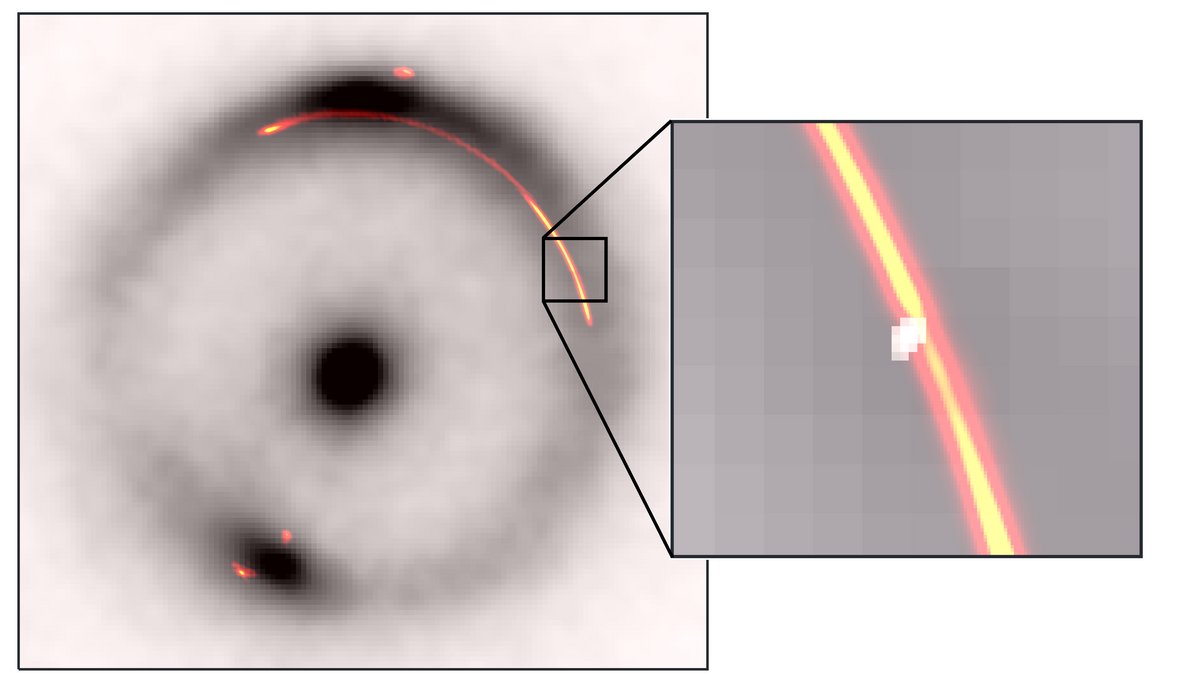
Scientists Detect Lowest Mass Dark Object Ever Measured
Scientists have detected the lowest mass dark object ever measured, providing new insights into the nature of dark matter. The discovery hel
 mpg.de·8mo ago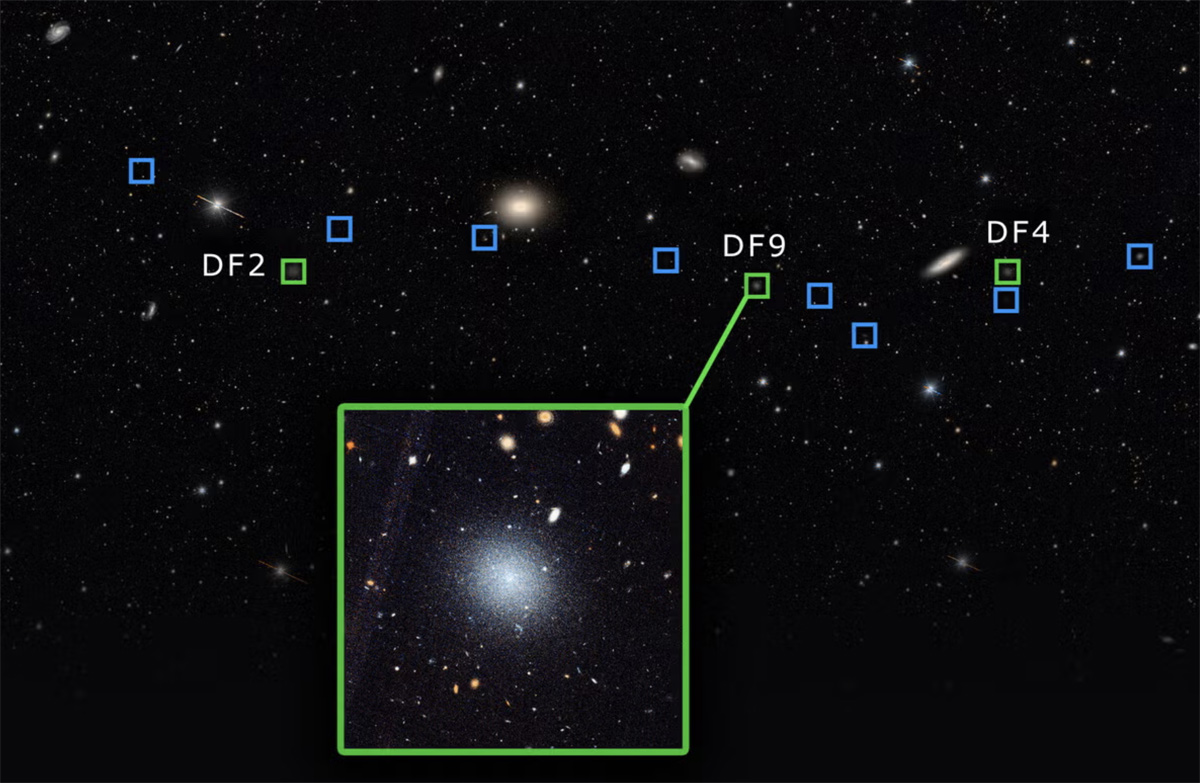
Another tiny galaxy found WITHOUT dark matter
 badastronomy.beehiiv.com·4d ago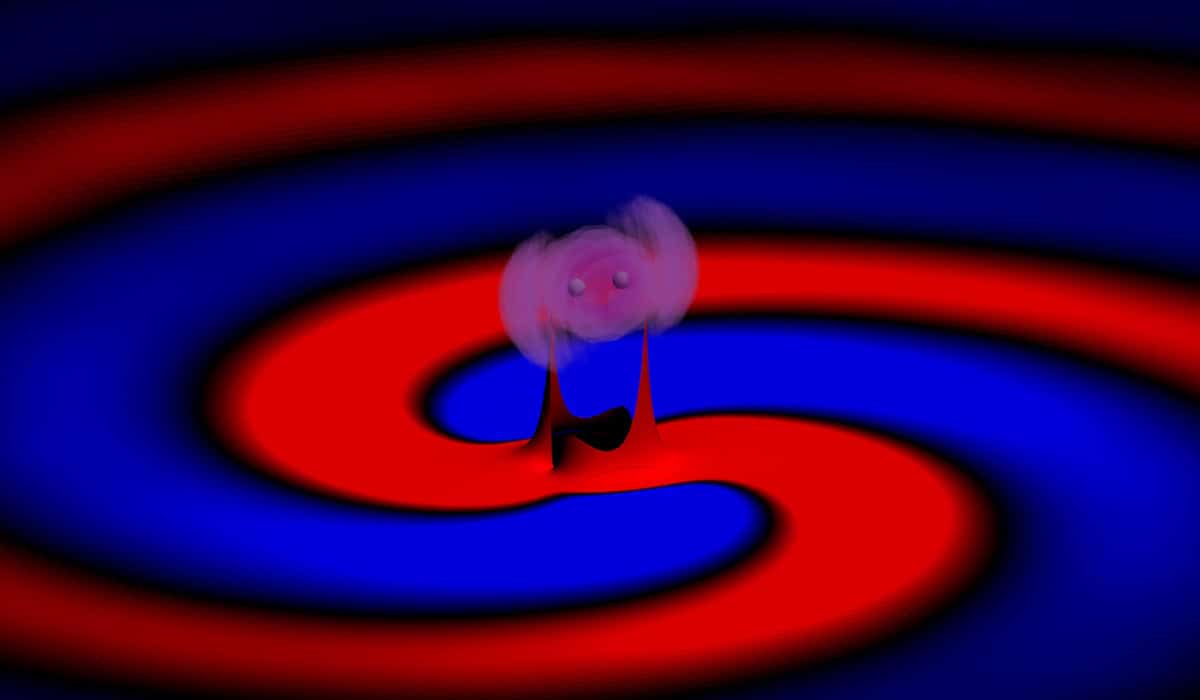
New model predicts how dark matter alters gravitational-wave signals from black hole mergers
Physicists have developed a new model predicting how gravitational-wave emissions from binary black hole systems are altered when they move

Hubble telescope spots 'impossible' light from a galaxy that shouldn't have been visible
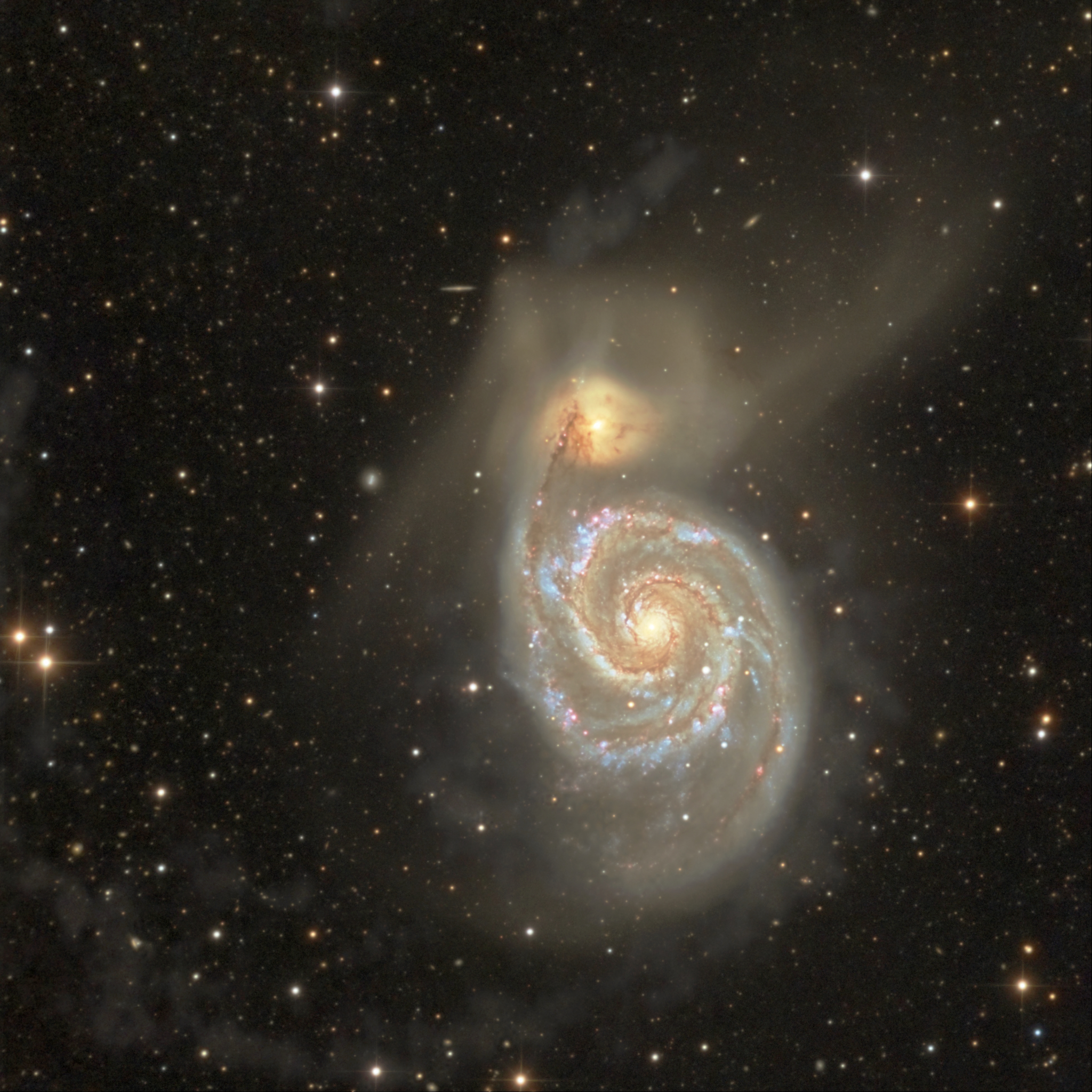
Study reveals how dark matter halo shape creates illusions in galactic tidal structures
This article discusses a scientific study published in Monthly Notices of the Royal Astronomical Society by researchers from the University
 astrobites.org·11d ago
Comments
Sign in to join the conversation.
No comments yet. Be the first.