
























The Consensus Weekly: OxCaml's Zero-Allocation Annotation and Software Infrastructure Roundup
Summary
This edition of The Consensus Weekly newsletter highlights a feature in OxCaml (Jane Street's OCaml variant) that enforces zero-allocation guarantees at compile time via the [@zero_alloc] annotation, preventing heap allocations in annotated functions. The newsletter curates content from across the software infrastructure landscape, including research and analysis for experienced developers, funding news, and job openings at companies tackling interesting problems in software infrastructure.
Source

 bskyThe Consensus Weekly: OxCaml's Zero-Allocation Annotation and Software Infrastructure Rounduptheconsensus.dev
Key quotes
· 3 pulledIn most languages, you hunt down allocations with a profiler and they creep back the moment you touch the hot path.
Jane Street's superset of OCaml lets you flip that around: annotate a function with [@zero_alloc] and the compiler refuses to build if anything in its call tree touches the heap.
The feature in OxCaml that more languages should steal
You might also wanna read

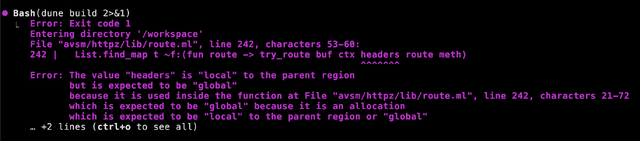
Building a Zero-Allocation HTTP/1.1 Parser with OxCaml for High-Performance Research Infrastructure
The article details the development of 'httpz', a high-performance HTTP/1.1 parser built using OxCaml that achieves zero heap allocation. Th
 anil.recoil.org·5mo ago
I Love OCaml

Enhancing OCaml for Performance Engineering with OxCaml Extensions
OxCaml's extensions aim to enhance OCaml for performance engineering by providing control and optimization without unnecessary complexity.
oxcaml.org·1y ago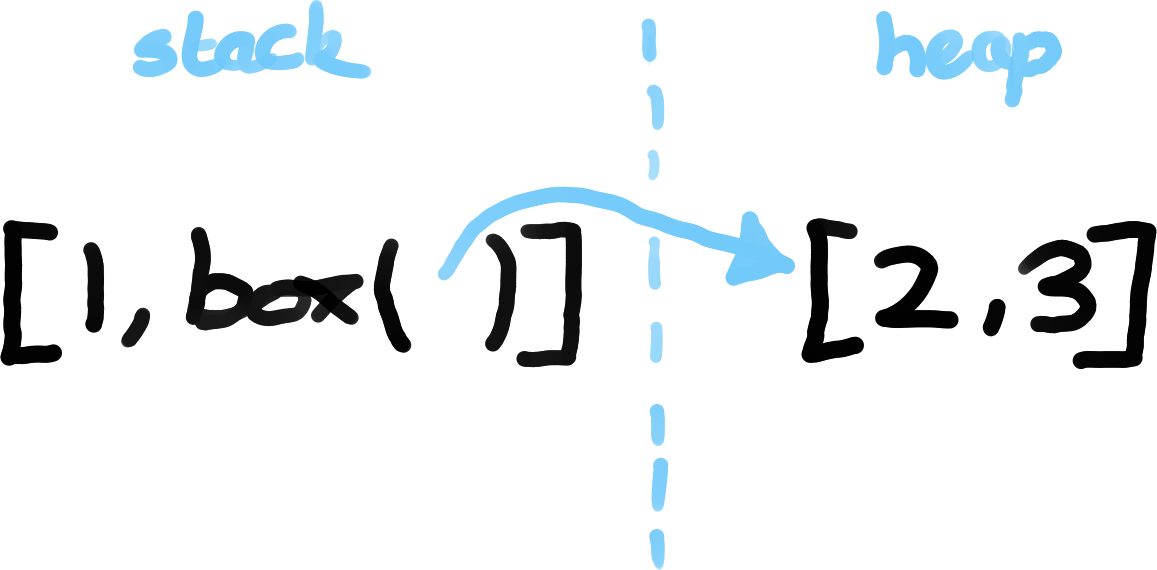
Dynamic Borrow-Checking in a Toy Programming Language: Implementing Rust-like Memory Safety Without Static Types
This article presents a demonstration of a toy programming language that implements borrow-checking without static type-checking. The langua
 scattered-thoughts.net·2mo ago
Loon: A Modern LISP with Invisible Types, Algebraic Effects, and Ownership Without Annotations
Loon is a modern functional programming language based on LISP that features invisible type inference (Hindley-Milner), safe ownership seman
 loonlang.com·4mo ago
Inside the lone lisp heap: A technical deep dive into a dynamic language's memory architecture
This article discusses the heap implementation of "lone lisp," a dynamic programming language. It describes how lone started as a collection
Comments
Sign in to join the conversation.
No comments yet. Be the first.